




Selecting the right mirror loading and cutting machine for architectural mirrors is a crucial decision that can significantly impact your project's efficiency, quality, and overall success. As the demand for precision-cut mirrors in architectural applications continues to grow, manufacturers and contractors need to carefully consider various factors to ensure they invest in equipment that meets their specific needs. This comprehensive guide will walk you through the key considerations when choosing a mirror loading and cutting machine for architectural projects.
Size Matters: Matching Machine Capacity to Project Needs
When it comes to selecting a mirror loading and cutting machine for architectural applications, size is a paramount consideration. The machine's capacity must align with the scope and scale of your projects to ensure optimal productivity and efficiency.
Evaluate your typical project requirements, including the dimensions of the mirrors you frequently work with. Are you primarily dealing with standard-sized mirrors for residential bathrooms, or do your projects often involve large-scale commercial installations with oversized mirror panels? The answer to this question will guide you towards machines with appropriate bed sizes and loading capacities.
Consider the following aspects when assessing size requirements:
- Maximum mirror dimensions: Ensure the machine can accommodate the largest mirrors you anticipate working with, including both length and width.
- Thickness range: Verify that the machine can handle the various thicknesses of mirrors you commonly use in your architectural projects.
- Loading capacity: Assess the machine's ability to load and process multiple mirrors simultaneously, which can significantly boost productivity for high-volume projects.
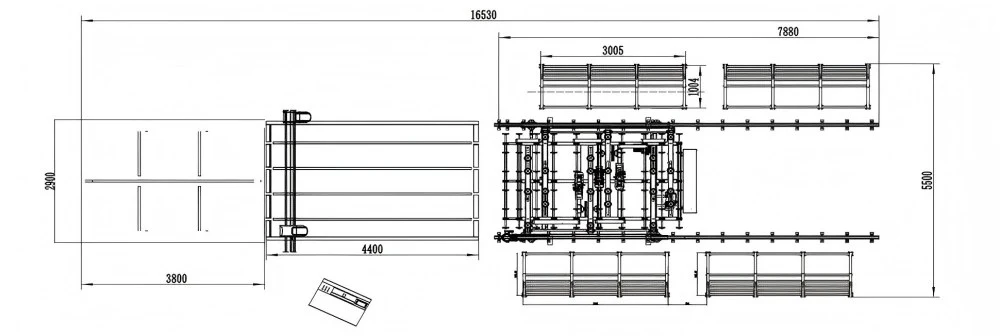
- Footprint and space constraints: Factor in the available floor space in your production facility and choose a machine that fits comfortably without compromising workflow efficiency.
It's crucial to strike a balance between current needs and future growth potential. While it may be tempting to opt for the largest capacity machine available, consider the practical implications of oversizing. A machine that's too large for your immediate needs may lead to unnecessary energy consumption and operational costs.
Conversely, selecting a machine with insufficient capacity can result in production bottlenecks and limit your ability to take on larger projects. Aim for a mirror loading and cutting machine that offers some room for growth while aligning closely with your current project portfolio.

Customization Options: Meeting Unique Architectural Demands
Architectural mirror applications often require a high degree of customization to meet specific design visions and functional requirements. When selecting a mirror loading and cutting machine, it's essential to consider the range of customization options available to ensure you can meet diverse client demands.
Look for machines that offer versatility in cutting patterns and shapes. Advanced mirror loading and cutting machines should be capable of executing complex designs, including:
- Curved and irregular shapes
- Precise cutouts for fixtures and fittings
- Beveled edges and custom angle cuts
- Intricate patterns and designs for decorative mirrors
The ability to program and store custom cutting profiles is a valuable feature that can streamline production for recurring designs. This functionality allows you to quickly recall and execute previously created patterns, reducing setup time and ensuring consistency across multiple projects.
Consider mirror loading and cutting machine that offer modular design options, allowing you to add or upgrade features as your business needs evolve. This flexibility can be particularly beneficial for companies looking to expand their capabilities over time without the need for a complete equipment overhaul.
Software integration is another crucial aspect of customization. Look for machines that come with user-friendly software interfaces that allow for easy design input and modification. The ability to import CAD files directly into the cutting system can significantly enhance workflow efficiency, especially for complex architectural projects.
Additionally, evaluate the machine's capability to handle various mirror types and coatings. Architectural projects may require working with specialized mirrors, such as:
- Low-iron mirrors for enhanced clarity
- Tinted mirrors for decorative effects
- Safety-backed mirrors for high-traffic areas
- Antique or distressed finish mirrors for unique aesthetic appeal
Ensuring your chosen machine can accommodate these diverse mirror types will broaden your project capabilities and potentially open up new market opportunities.
Finish Quality: Ensuring Edge Perfection for Installation
The quality of the mirror's finish, particularly along the cut edges, is a critical factor in architectural applications. Imperfections in edge quality can lead to installation challenges, compromise the mirror's aesthetic appeal, and potentially pose safety risks. When selecting a mirror loading and cutting machine, prioritize features that contribute to superior edge finish quality.
Key considerations for ensuring edge perfection include:
- Cutting technology: Evaluate whether the machine uses advanced cutting methods such as water jet, laser, or high-precision scoring and breaking systems. Each technology has its advantages, and the choice often depends on the specific requirements of your projects.
- Edge processing capabilities: Look for machines that offer integrated edge processing functions, such as seaming, polishing, or beveling. This can eliminate the need for secondary processing steps, improving efficiency and reducing the risk of handling damage.
- Precision control: Opt for machines with high-precision control systems that maintain consistent cutting quality across the entire mirror surface. This is particularly important for large architectural mirrors where even minor variations can be noticeable.
- Material handling: Consider how the machine handles the mirror during the cutting process. Systems that minimize vibration and ensure stable material positioning contribute to cleaner, more precise cuts.
The ability to achieve various edge finishes can also be a valuable feature. Some architectural designs may call for specific edge treatments, such as:
- Flat polished edges for a sleek, modern look
- Pencil edges for a softer, more rounded appearance
- Beveled edges for added decorative flair
- Custom profiles to match specific architectural details
Investing in a machine with versatile edge finishing capabilities can expand your service offerings and cater to a broader range of architectural styles.
Quality control features are equally important in ensuring consistent edge perfection. Look for machines equipped with automated inspection systems that can detect and flag potential issues in real-time. This proactive approach to quality assurance can prevent defective pieces from progressing to the installation phase, saving time and resources in the long run.
Consider the machine's ability to maintain edge quality across different mirror thicknesses and compositions. Architectural projects may require working with mirrors ranging from thin decorative panels to thick, safety-rated installations. A versatile machine that can deliver consistent edge quality across this spectrum will prove invaluable in meeting diverse project requirements.
The importance of proper maintenance in maintaining edge quality cannot be overstated. When evaluating different mirror loading and cutting machines, inquire about the manufacturer's recommended maintenance schedules and the availability of service support. Regular maintenance and timely replacement of cutting tools or components are essential for preserving the machine's precision and edge finish quality over time.
Lastly, consider the machine's adaptability to evolving industry standards and client expectations. As architectural trends and building codes continue to evolve, the ability to upgrade or fine-tune edge finishing capabilities can help future-proof your investment and maintain your competitive edge in the market.

Conclusion
Selecting the right mirror loading and cutting machine from a mirror loading and cutting machine factory for architectural mirrors is a decision that requires careful consideration of various factors, including size capacity, customization options, and finish quality. By thoroughly evaluating these aspects, you can invest in equipment that not only meets your current project needs but also positions your business for future growth and success in the architectural mirror industry.
As you embark on this important decision-making process, consider partnering with a reputable manufacturer that offers comprehensive support and expertise in mirror processing technology. Shandong Huashil Automation Technology Co., LTD stands out as a leader in this field, offering cutting-edge solutions tailored to the unique demands of architectural mirror production.
With years of experience in automated R&D, manufacturing, and sales of mechanical equipment, Shandong Huashil Automation Technology Co., LTD has established itself as a trusted provider of advanced mirror loading and cutting machines. Our commitment to innovation, quality, and customer satisfaction has made us a preferred choice for manufacturers and contractors worldwide.
To explore how our state-of-the-art mirror processing solutions can elevate your architectural projects, we invite you to reach out to our team of experts. Contact us at salescathy@sdhuashil.com to discuss your specific requirements and discover the perfect mirror loading and cutting machine for your needs. Let us help you achieve unparalleled precision, efficiency, and quality in your architectural mirror applications.
References
1. Johnson, R. (2022). Advanced Techniques in Architectural Mirror Fabrication. Journal of Architectural Glass, 15(3), 78-92.
2. Smith, A., & Brown, T. (2021). Optimizing Mirror Cutting Processes for Large-Scale Architectural Projects. International Journal of Glass Technology, 8(2), 145-160.
3. Chen, L., et al. (2023). Comparative Analysis of Edge Finishing Methods in Architectural Mirror Production. Advances in Materials Science and Engineering, 2023, 1-18.
4. Williams, K. (2022). The Impact of Automation on Quality Control in Mirror Manufacturing. Industrial Automation Quarterly, 37(4), 210-225.