




When sourcing automated glass cutting equipment from international suppliers, procurement professionals face a critical challenge: ensuring that delicate, high-value machinery arrives safely and on schedule. Industrial glass cutter transport services encompass specialized logistics solutions tailored to handle precision equipment with unique fragility concerns, regulatory requirements, and installation timelines. Unlike standard freight forwarding, these services address the specific needs of architectural glass plants, curtain wall integrators, and furniture manufacturers who depend on reliable delivery to avoid costly production delays. Understanding the key factors that distinguish professional transport providers from general carriers empowers plant managers and procurement teams to make informed decisions that protect their capital investments.
Introduction
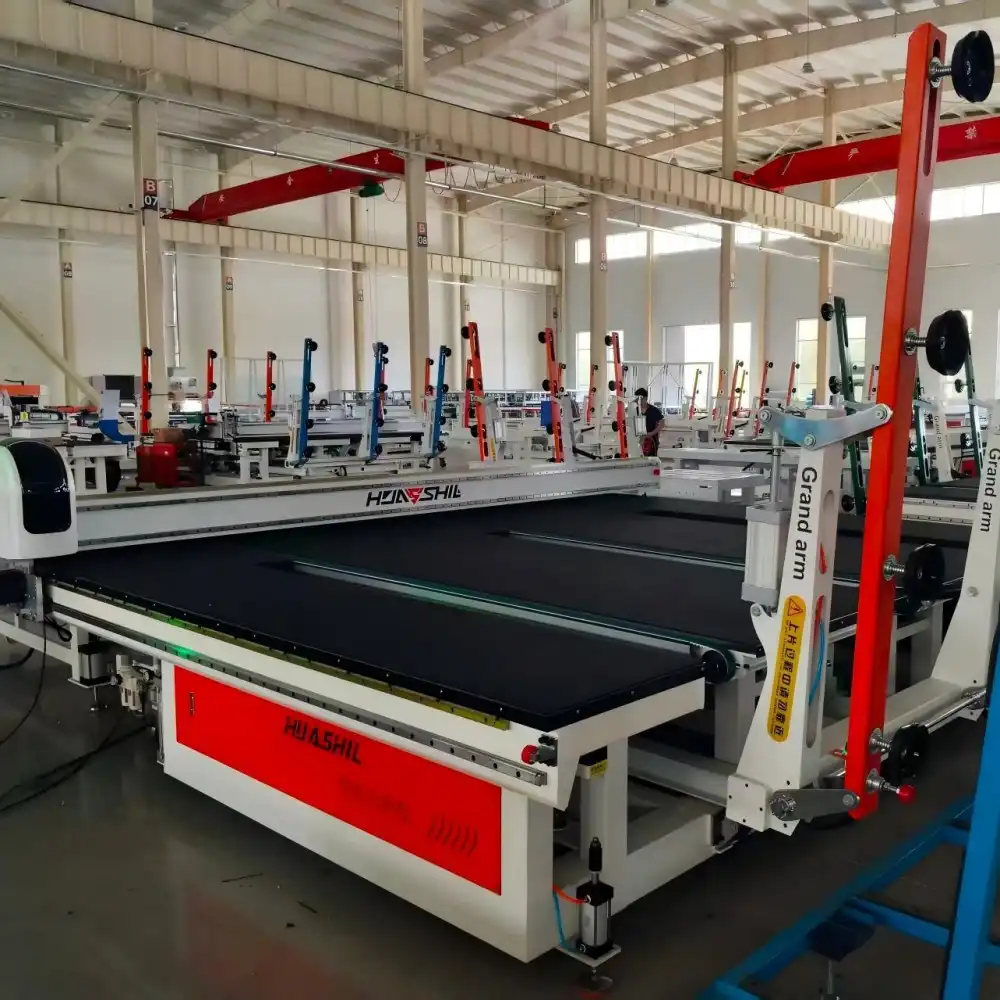
Industrial glass cutter shipping services deliver delicate cutting instruments to construction and manufacturing sites quickly and securely. Buyers of automated glass processing lines are under pressure to decrease equipment replacement downtime. A single damaged component or delayed delivery might stop production for weeks, affecting income and client responsibilities. Transporting large-format machines like the HUASHIL HSL-LSX6133, which has three integrated tables for loading, cutting, and breaking and can take 6100x3300mm glass, is harder. General logistics firms sometimes lack equipment-handling expertise.
Procurement managers must protect fragile precision components throughout shipping, comply with foreign regulations, coordinate installation dates with production schedules, and reduce landing costs. This article covers industrial glass cutter transport basics, safety, supplier selection, and matching shipping alternatives to procurement objectives. Knowing these factors helps you make sound global sourcing decisions, whether you're buying one piece of equipment or installing a manufacturing line.
Understanding Industrial Glass Cutter Shipping Services
Specialized Requirements for Precision Equipment
Due to the sensitive nature of precision machinery, Industrial glass cutter transport services are very different from conventional freight handling. Sensitive parts of these automated systems, such as optical sensors, calibrated cutting heads, servo motors, and control panels, are susceptible to irreversible damage from impact, vibration, and moisture exposure. Optima optimization software and flexible above-ground or subterranean rail systems with six grand arms on each side are features of the HSL-LSX6133 model that require meticulous dismantling, packing, and reassembly procedures.
Expert transportation companies are aware of these weaknesses and use certain handling techniques. Before being consolidated into shipping containers, equipment is usually partially dismantled at the point of origin, and its essential parts are separately safeguarded. These services, in contrast to regular pallet freight, include technical evaluations to identify the best packing arrangements that strike a compromise between protection and transportation effectiveness.
Transportation Modes and Timeline Considerations
Depending on their budget and level of urgency, buyers can select from a variety of transportation choices. For whole manufacturing lines, sea freight is still the most cost-effective option. Depending on the destination and route, transit periods from Asia to US ports might range from 18 to 35 days. This technique works well for scheduled installations where procurement teams may schedule arrival in accordance with the availability of installation crews and facility preparation.
For urgent replacements or time-sensitive projects, industrial glass cutter transport services provide accelerated delivery, cutting transit times to five to ten days. This alternative becomes cost-effective when production downtime costs surpass premium shipping expenses, while being substantially more expensive. In order to balance speed and efficiency, several companies provide hybrid solutions that combine sea freight for heavy structural elements with air transport for crucial components.
Domestic distribution from ports to final installation locations is handled by road transport. Vibration during inland transportation is reduced by specialized heavy-haul carriers with air-ride suspension systems. Procurement managers may set reasonable delivery expectations and provide production teams with precise timeframes by having a thorough understanding of lead times for each segment.
Unique Risk Factors in Glass Equipment Logistics
Industrial glass cutter transport has many risks compared to equipment transfer. Physical damage from incorrect packing or rough handling is the biggest challenge for optical alignment systems and precision guides. While stopping and accelerating, several-ton equipment generates large inertial forces, which may cause internal component motions that disrupt calibration.
Foreign boundaries provide regulatory challenges. Harmonised tariff classifications, country-of-origin documentation, and technical requirements are desired by customs. Documentation errors may delay, expense, and detain shipments. Complex equipment with electronic components may need extra screening to meet port and terminal security regulations.
Environmental exposure is another concern. High humidity may cause electrical components to corrode, yet excessive temperatures during storage or transport can damage hydraulic systems. Professional shipping firms utilise moisture-barrier packaging and climate-controlled containers to minimise these hazards and maintain equipment integrity.
Best Practices and Guidelines for Safe Industrial Glass Cutter Transport
Strategic Packaging Approaches
Industrial glass cutter transit is riskier than equipment transfer. Engineers inspect gear before packaging. The HSL-LSX6133's three-table model needs crating to secure and align. High-density foam and shock-absorbing materials protect sensitive areas.
ISPM 15-compliant wooden boxes safeguard stacking and handling. Interior bracing prevents lateral movement, and corner reinforcements distribute weight. Two foam-lined inner boxes protect the main container servo drives and control panels. On long sea cruises, de-icing packs and moisture barrier blankets reduce humidity.
Each fragile product package has lifting points, orientation directions, and multilingual handling instructions. Visibility helps passengers concentrate. Shipping errors may damage optical alignment and guides. Packaging photos aid insurance claims. Precision-reducing internal component vibrations may occur while stopping and accelerating several-ton machines.
Cross-border regulation is hard. Customs wants equal tariffs, paperwork, and tech. Paperwork delays and damages shipments. Terminal and port security may inspect complex gadgets.
Environmental effects count. Dampness and high storage or transit temperatures may harm hydraulic and electrical equipment. Shippers employ climate-controlled, moisture-barrier containers.
Regulatory Compliance and Documentation
Documentation is needed for international industrial glass cutter transport services. Equipment model numbers, serial numbers, component lists, and values must match commercial invoicing. Technical datasheets help customs inspectors classify and assess duties. Trade agreement advantages depend on certificates of origin, which may lower import duties.
Technology transfer legislation and destination country constraints may require export permits for advanced automation equipment. Compliance should be checked early in procurement to minimise shipment delays. Equipment must have import permissions and safety certificates before entering destination countries. Experienced customs brokers who know industrial equipment legislation simplify these operations.
Transit damage and loss are covered by all-risk maritime cargo insurance. Insurance should cover replacement and installation, not book value. Before shipping, check insurance exclusions and claims processes to ensure fast settlement.
Proactive Risk Management
In addition to insurance, a number of preventative measures reduce shipping hazards. Route planning chooses carriers with excellent safety records and steers clear of known traffic jams. Real-time position visibility is made possible by GPS tracking devices, allowing for prompt reaction to delays or detours. Installed within containers, vibration and shock monitoring sensors identify handling infractions and provide information for claims and carrier responsibility.
Before cargo departs origin facilities, pre-shipment assessments carried out by independent inspection companies confirm packing quality and adherence to requirements. This quality gate detects flaws while remedial action is still possible. Similar to this, upon arrival, destination surveys record the state of the equipment prior to unloading, clearly defining who is responsible for any damage sustained during travel.
How to Choose the Right Industrial Glass Cutter Transport Service
Evaluating Provider Credentials and Experience
More than price comparisons are needed to choose transport partners. Consider the provider's industrial glass processing equipment competence instead of general machinery handling. Architectural glass producers know installation sensitivity, handling, and packing needs.
Check ISO 9001 quality management and goods forwarding accreditations. Joining logistics organisations displays professionalism. Request customer references from window fabrication, glass furniture, and curtain wall manufacturers to prove their dependability and ability to manage complex shipments.
Physical infrastructure counts. Suppliers should store heavy equipment in temperature-controlled warehouses. Spot-market broker networks are less supervised than contracted carrier fleets. Visit providers' facilities to evaluate quality and operations.
Service Coverage and Capability Matching
Find out whether suppliers provide door-to-door or multiple handoffs. Coordination and responsibility are simplified by integration. Coverage networks should match your facilities to avoid subcontractors, who lower service quality.
Heavy and large commodities must be handled by large manufacturing line components. Wide-load transport permissions and lifting equipment may be needed for HSL-LSX6133. Make sure suppliers understand your jurisdiction's permit acquisition procedure and have heavy-haul carrier connections.
Buyers lacking logistics abilities benefit from white-glove installation, unpacking, and package disposal. Multiple vendors provide interim storage for equipment delayed by facility setup. By understanding all services, buyers may choose partners who meet their needs.
Contract Terms and Pricing Transparency
Contracts protect both parties and set performance goals. Origin handling, major transportation, destination delivery, insurance, and documentation should be priced. Bundled quotes simplify comparison but may hide costs. Get granular breakdowns to understand the value offer and find bargaining chances.
Claim processes and liability limits need consideration. Consider carrier financial restrictions and additional insurance. Documentation, notice, and resolution are needed for claims. Confusing wording causes conflict.
Booking deposits and cargo release balances are typical. International shipments use letters of credit to protect buyers and sellers. Respect suppliers' working capital demands and cash flow management, and procurement approval procedures while negotiating conditions.
Benefits of Using Specialized Industrial Glass Cutter Transport Services
Enhanced Equipment Protection and Damage Prevention
Specialised providers reduce damage compared to generic goods handlers due to their customised packaging and competent crew. Industry research shows that industrial glass cutter shipping services have a damage rate of less than 2%, whereas ordinary goods have 5–8%. This difference protects production deadlines, reduces installation delays, and lowers maintenance costs.
Custom logistics solutions solve equipment deficiencies. Glass processing equipment experts know that even minor calibration changes may need plant staff to restore requirements. This awareness encourages investments in superior packaging materials and handling education not supplied by normal carriers. Equipment comes ready for installation, so it doesn't need to be repaired before commissioning.
Specialised carriers utilise equipment-specific lifting fixtures, adjustable cradles, and vibration-dampening transport frames. Well-planned solutions preserve investments better than haphazard ones. Specialist service is cost-effective compared to damage and production disruption expenses.
Streamlined Regulatory Compliance
Even experienced procurement teams struggle with international trade constraints in industrial glass cutter transport services. Specialised transport firms know machinery import/export limits, national legislation, and categorisation criteria. This information streamlines customs clearance and reduces paperwork errors.
In times of excessive congestion, major ports choose suppliers with ties. Trade agreements and tariff regulations may reduce duties for customs brokers who know how to classify industrial equipment. Through faster clearance and decreased duty assessments, these benefits offset higher service expenses.
Technical standards and safety certifications demonstrate conformity. Suppliers help buyers with technical file preparation, safety labelling, and electrical certification. This guidance is particularly important when buying from overseas sellers since equipment must meet destination country standards before being utilised.
Supply Chain Efficiency and Visibility
Technology solutions from expert transportation partners provide cargo visibility. Real-time tracking systems provide position, arrival times, and milestones. Exception alerts notify stakeholders of delays, enabling proactive problem-solving.
Documentation portals centralise bills of lading, customs paperwork, inspection reports, and delivery confirmations. Digital accessibility helps procurement, finance, and operations teams interact and simplify audit trails. Automated notifications inform stakeholders without human status enquiries.
Specialist supplier relationships aid long-term supply chain planning. Constant quality and consistent service provide accurate delivery predictions for production planning. Peak-season capacity allocation prioritises transport resources and reduces spot-market volatility.
Aligning Transport Services with Procurement Goals
Integration with Capital Equipment Acquisition
Instead of after purchase orders are completed, transport planning should begin during equipment selection. Delivery timelines affect production transition, facility preparation, and installation. Early involvement with logistics vendors helps anticipate lead times and identify potential difficulties that need mitigation.
Budgeting must include shipping, insurance, customs, and installation costs. These costs—15–25% of the equipment purchase price—can considerably affect project profitability. Cost transparency in procurement choices supports accurate capital expenditure planning and avoids budget shocks.
Packaging efficiency is maximised when transportation and equipment providers collaborate. Although export-savvy providers like HUASHIL develop international-compliant packaging, talking to genuine carriers often finds additional protective choices. This alliance reduces damage and shipping expenses by optimising space use.
Performance Measurement and Continuous Improvement
Clear performance metrics enable continuous development and objective provider assessment. Metrics include on-time delivery, damage events, claim resolution time, and documentation accuracy. Monitoring these data over several shipments reveals performance patterns and issues.
Frequent business reviews with transportation partners encourage communication and problem-solving. Discussions on performance statistics, service quality reviews, and process improvements improve relationships and outcomes. These organised meetings reveal that organisations value connections over transactions.
Long-term contracts with favoured suppliers provide rate stability, capacity guarantees, and service personalisation. Volume agreements provide priority processing and discounts. However, maintain baseline relationships with backup providers to ensure capacity alternatives and competitive pressure amid high demand or service outages.
Strategic Supplier Coordination
Logistics management requires close equipment supplier collaboration. Use Incoterms to clearly describe delivery conditions in purchase agreements that equitably split buyer and seller risks and obligations. Suppliers deliver to the target port CIF (Cost, Insurance, and Freight), or buyers arrange overseas transit FOB. Avoiding cost conflicts and responsibility gaps requires awareness of these principles.
Installation schedules ensure equipment arrives when technicians are available and facilities are ready. Shipping and installation delays increase storage costs and environmental risk. However, coming before site preparation leads to rushed, low-quality installations. Procurement, suppliers, transportation, and installation teams share project deadlines for these critical activities.
Communicating upfront clarifies how to escalate issues. Each company has decision-making connections to respond promptly to unexpected challenges. Complex shipments with several components or phased delivery need frequent status updates to keep everyone informed.
Conclusion
Choosing the right industrial glass cutter transport services affects equipment purchase and operational readiness. Specialised logistics businesses provide better protection, regulatory understanding, and supply chain visibility than normal carriers. Procurement specialists evaluate suppliers based on their industry experience, service capability, and contract transparency to protect capital expenditures and production schedules.
Understand transit modes, packaging requirements, compliance obligations, and risk management to confidently navigate complex international logistics. When procurement goals and transportation solutions match, delivery methods support operational goals. As glass production becomes increasingly competitive, reliable equipment delivery boosts market response and customer satisfaction.
FAQ
1. What packaging materials best protect industrial glass cutting equipment during shipping?
Professional transport requires multi-layer protective measures. Servo motors and control panels are examples of sensitive parts that are primarily cushioned by high-density polyethylene foam. Impact forces are dispersed away from susceptible locations with shock-absorbing corner guards. ISPM 15-compliant custom hardwood boxes provide structural protection when being stacked and handled. Desiccant packs and moisture barrier sheets regulate humidity levels to stop corrosion during long sea journeys. Vibration-monitoring devices that record handling quality during transportation are beneficial for equipment with precise calibration, including optical alignment systems. When compared to conventional pallet wrapping techniques, these all-inclusive packaging strategies dramatically lower damage incidences.
2. How long does international shipping typically take for glass processing machinery?
The mode and route of transportation determine how long a trip takes. Depending on the destination and kind of service, sea freight from Asian production facilities to US ports takes 18 to 35 days. By giving cargo handling at transshipment locations priority, express maritime services shorten this time. Although it costs significantly more, air freight promises fast delivery within 5 to 10 days. Depending on the distance and availability of road transportation, inland distribution from ports to final installation locations adds three to seven days. Customs clearance procedures, which normally take two to five working days for appropriate documents, should be factored into total delivery schedules. When procurement cycles are planned according to these timelines, equipment availability is guaranteed to coincide with the completion of facility preparation and installation schedules.
Partner with HUASHIL for Complete Glass Processing Solutions
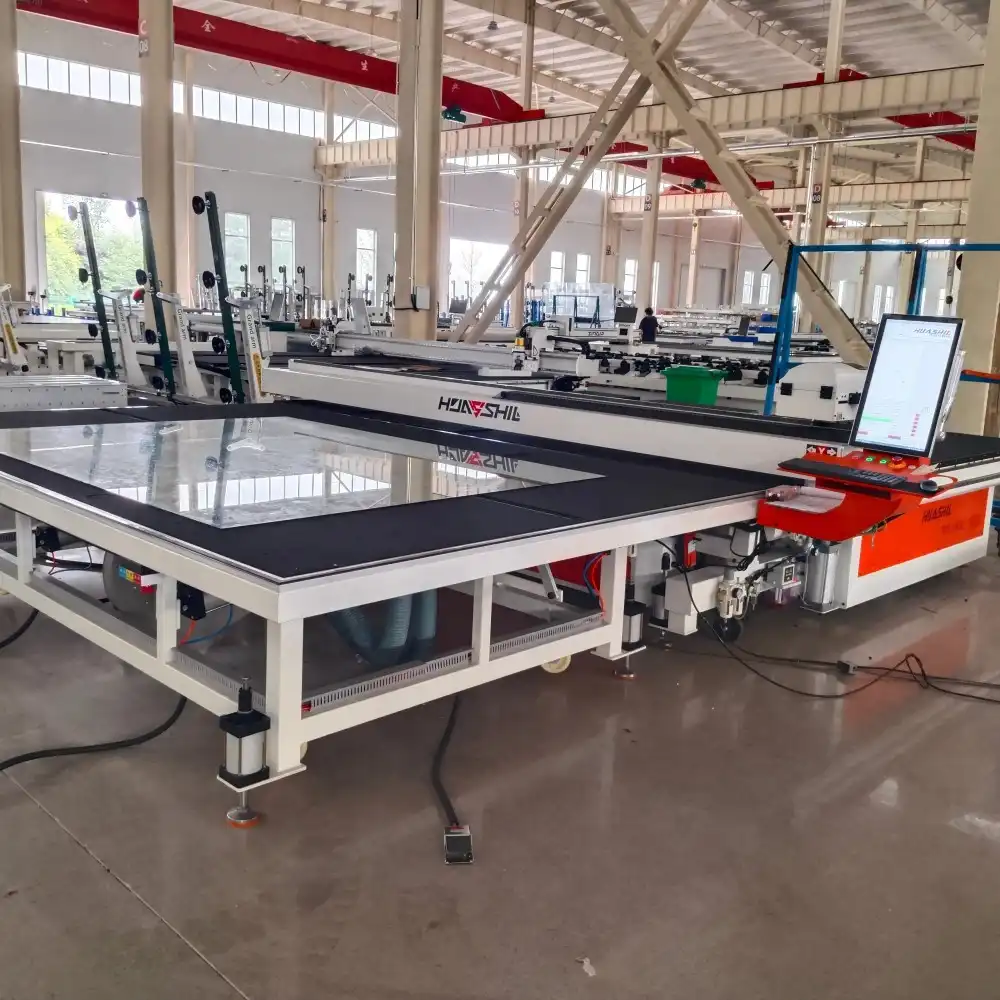
HUASHIL offers extensive logistical assistance and cutting-edge glass-cutting equipment as part of its integrated expertise. With three specialized tables handling loading, cutting, and breaking operations for glass up to 6100x3300mm, our HSL-LSX6133 automated cutting system is a prime example of precision engineering. Six grand arms on each side provide steady handling of large-format glass panels, and 2+2 stations on configurable above-ground or subterranean rail systems accommodate a variety of facility configurations.
Beyond superior production, we recognize that dependable delivery is crucial to client success. Equipment is delivered prepared for installation because of our long-standing connections with experienced industrial glass cutter transport services providers. To avoid surprises and safeguard your investment along the supply chain, we organize packaging, paperwork, and logistical planning.
Whether you run a furniture manufacturing company, curtain wall integration facility, or architectural glass fabrication factory, HUASHIL offers the tools and support that give you a competitive edge. Your operating economics are immediately improved by our Optima optimization software, which increases material consumption while cutting waste. Get in touch with our team to talk about your glass processing needs and learn how our all-inclusive solutions strategy simplifies procurement while providing dependable production capacity. For comprehensive requirements and personalized quotes from a reliable industrial glass cutter transport services provider dedicated to your success, contact our experts at salescathy@sdhuashil.com.
References
1. International Safe Transit Association (ISTA), "Packaging Performance Standards for Industrial Machinery," Transportation Testing Protocols and Guidelines, 2022.
2. Logistics Management Journal, "Specialized Freight Handling: Risk Reduction in High-Value Equipment Transport," Industrial Supply Chain Review, Vol. 34, No. 2, 2023.
3. American Society of Mechanical Engineers (ASME), "Best Practices for Packaging and Shipping Precision Manufacturing Equipment," Technical Standards Publication, 2021.
4. International Chamber of Commerce, "Incoterms 2020: Official Rules for International Trade Terms," ICC Publications, 2020.
5. Glass Manufacturing Industry Council, "Equipment Procurement and Logistics Guidelines for Architectural Glass Fabricators," Industry Best Practices Report, 2023.
6. World Customs Organization, "Harmonized System Classification for Industrial Glass Processing Machinery," Tariff Classification Guidelines, 2022.