




Air flotation tables and dissolved air flotation systems address critical wastewater treatment challenges across food processing, textile manufacturing, and chemical production facilities. These industries generate complex effluent containing suspended solids, emulsified oils, dyes, and chemical residues that conventional sedimentation methods struggle to remove efficiently. By generating microscopic bubbles that attach to contaminants and carry them to the surface for removal, flotation technology delivers superior separation performance, reduces treatment costs, and ensures regulatory compliance while maintaining production continuity.
Common Wastewater and Processing Challenges in Food, Textile, and Chemical Industries
High-Concentration Contaminants That Disrupt Production
Wastewater from food processing facilities contains lipids, oils, proteins, and carbs, which cause biological oxygen demand surges. Grease separation is especially difficult for dairy facilities, meat processing industries, and vegetable oil refineries. These contaminants cover pipes, lower flow capacity, and produce offensive smells that interfere with adjacent activities when they enter drainage systems untreated.
Synthetic dyes, sizing agents, and chemical auxiliaries are introduced into wastewater streams by textile dyeing and finishing activities. These materials provide color that endures despite traditional treatment and are resistant to biological deterioration. Similar challenges are faced by chemical makers who deal with emulsions, suspended catalysts, and polymer leftovers. Complexity is increased by the variation in pollutant concentrations throughout production shifts, necessitating treatment systems that can manage varying loads without experiencing performance deterioration.
Regulatory Compliance and Financial Consequences
Strict limitations on chemical oxygen demand, total suspended solids, and industry-specific contaminants are now specified in discharge permits. Increasing penalties, forced production shutdowns, and reputational harm that impacts customer relations are all consequences of noncompliance. Ineffective pretreatment is a direct profit drain since municipal authorities are increasingly charging higher fees for high-strength industrial discharge.
Conventional settling tanks and clarifiers take up a lot of floor area, run slowly, and produce a lot of sludge that needs to be disposed of at a high cost. When handling lightweight particles, emulsified oils, or compounds with densities near water—exactly the pollutants these sectors generate—their performance declines.
How Air Flotation Systems Solve Industrial Problems: Principles and Mechanisms
Dissolved Air Flotation Technology and Microbubble Physics
A recycling stream is saturated with compressed air at high pressure in dissolved air flotation systems. Millions of microbubbles with a diameter of 10 to 100 microns emerge from the solution when the pressurized water is released into the flotation tank at atmospheric pressure. These small bubbles are ideal for contaminant attachment because they have a large surface area that enhances collision possibilities and enough buoyancy to push particles upward.
At regulated speeds, the bubble-particle aggregates ascend through the water column and gather at the surface as a concentrated float layer in air flotation tables. This material is continually removed using mechanical skimming machines, which achieve separation efficiencies for target pollutants that are higher than 95%. The bottom of the tank is where the cleared water escapes, either fulfilling discharge requirements or allowing for economical reuse inside the building.
Customization for Industry-Specific Contaminant Profiles
The distinctive features of wastewater from each business are taken into consideration while designing an efficient flotation system. Polymer flocculation is frequently used in food processing applications to agglomerate small particles and destabilize emulsified fats before flotation. The mild mixing conditions encourage bubble attachment while preventing floc breakdown.
Coagulant addition and pH modification help textile processes by neutralizing dye charges and making them susceptible to flotation removal. Chemical facilities that handle hydrophobic materials may use natural particle-bubble affinity to run flotation cells without the need for chemical preparation. Compared to fixed-performance systems, which are unable to respond to changing process circumstances, this flexibility offers a substantial benefit.
Documented Performance Improvements Across Applications
After installing a dissolved air flotation system rated for 150 gallons per minute, a dairy cooperative in the Midwest saw oil and grease concentrations drop from 850 mg/L to less than 25 mg/L. By avoiding surcharge costs, the installation paid for itself in less than 18 months. In comparison to their prior coagulation-settling method, a textile finishing facility in the southern United States consistently removed more than 90% of the color while using 40% less chemical.
The potential of flotation technology to manage fluctuating loading situations while preserving steady effluent quality is demonstrated by these results. During regulatory inspections, plants report lower maintenance downtime, fewer operator interventions, and more confidence in meeting discharge limitations.
Key Benefits of Using Air Flotation Systems in Target Industries
Superior Contaminant Removal Across Multiple Categories
Materials that are difficult for other methods to remove are effectively removed by flotation. Bubble flotation works well with emulsified oils, fine suspended solids, algae, and low-density particles that don't settle. Instead of maintaining several specialized systems, facilities may handle a variety of waste streams using a single technological platform thanks to its broad-spectrum capacity.
Compact system designs with retention durations measured in minutes rather than hours are made possible by the quick treatment kinetics. A well-designed flotation machine frees up important floor space for production equipment by taking up one-third of the footprint of a comparable clarifier. When a facility expands and more treatment capacity needs to fit inside the current building shells, this space efficiency is extremely helpful.
Operating Cost Reductions Through Multiple Mechanisms
Because the air compressor and recycling pump run at lower pressures, air flotation tables continue to have low energy usage. Flotation provides similar contamination removal at a fraction of the energy expenditure when compared to membrane filtering or sophisticated oxidation procedures. Precise dosage controls that react to real-time water quality monitoring optimize the use of chemicals.
The concentrated float material reduces disposal volumes by 60% to 80% since it contains much less water than clarifier sludge. Dewatering equipment needs, landfill fees, and hauling expenses all decrease proportionately. Some food processing companies turn a waste disposal expense into a profitable byproduct stream by recovering valuable proteins and fats from the float layer.
Simplified Maintenance and Robust Long-Term Performance
Contemporary flotation systems use robust materials and tried-and-true mechanical parts that can endure challenging industrial conditions. Acidic or alkaline wastewater cannot corrode stainless steel structures. Simple chain-driven systems with fewer worn parts are used in skimmer devices. Air compressors and recycle pumps use common industrial parts that are easily replaced.
Rather of replacing significant components, routine maintenance mostly comprises lubrication and inspections on a regular basis. Before major renovations are needed, many installations run for 15 to 20 years. When paired with steady performance over the course of the equipment's existence, this longevity produces positive total cost of ownership estimates that support capital investment.
Environmental Stewardship and Regulatory Alignment
By reducing the pressure on landfills, reduced sludge formation immediately reduces the environmental impact. Reduced use of chemicals results in fewer raw materials needed for production, transportation, and storage. Corporate carbon reduction objectives are aided by energy-efficient operations. These elements are consistent with sustainability goals, which are increasingly influencing corporate reporting requirements and B2B purchasing decisions.
Because the flotation technique consistently meets allowed discharge limits without demanding undue operator attention, regulatory bodies have a positive opinion of it. The technology's proven track record of several installations shows the best possible technology deployment and gives assurance during permit applications.
Comparing Air Flotation Tables to Alternative Technologies in Industrial Waste Management
Performance Benchmarking Against Conventional Methods
Differences in the densities of pollutants and water are necessary for gravity sedimentation. For lightweight particles, emulsified materials, and compounds with near-neutral buoyancy, this fundamental constraint limits efficacy. Particles smaller than 50 microns need unfeasibly lengthy retention durations for adequate clearance, according to settling velocity estimates. By using active bubble attachment to create buoyancy regardless of particle density, flotation goes beyond these physical limitations.
Excellent clarity is achieved using filtration methods, but impurities build up in the filter media, necessitating regular replacement or backwashing. The backwash water itself turns into a secondary waste stream that requires treatment. Chemical cleaning is required to prevent filter blinding from biological growth or greasy contaminants, which increases operational complexity. Filtration's sporadic performance cycling is eliminated by flotation, which continually eliminates accumulated pollutants as float material.
Technology Selection Criteria for Industrial Applications
Appropriate technology matching is driven by wastewater characterisation. Treatability investigations should be carried out by facilities under controlled settings with representative samples. The best chemical doses, necessary retention periods, and attainable effluent quality are all revealed by these investigations. Pilot testing services are offered by reputable equipment providers to verify performance promises prior to capital commitment.
System design is influenced by available space, throughput needs, and interaction with current infrastructure for air flotation tables. For operational consistency, a plant that increases production by 50% could require more flotation capacity that corresponds with existing equipment. Compact designs are prioritized by plants with limited floor area, even if capital costs rise somewhat. The size of equalization tanks before treatment may be determined by maximum instantaneous flow rates specified in municipal discharge agreements.
Supplier Evaluation and Quality Assurance
Numerous flotation system manufacturers with differing technical capabilities and service promises are present in the global market. Customers should use reference installations to confirm a supplier's experience in their particular sector. Beyond claims made in sales brochures, site visits to operational facilities show real performance and maintenance requirements.
Established production procedures and quality management systems are shown by quality certifications such as ISO 9001 registration and CE marking. In foreign procurement, where direct supplier audits are logistically challenging, these credentials are especially important. Long-term operational performance is supported by comprehensive documentation packages that include maintenance manuals, equipment specifications, and process and instrumentation diagrams.
Practical Considerations for Procurement, Installation, and After-Sales Support
Specification Development and Vendor Selection
Clear needs are communicated through detailed specifications, which also make it possible to compare bids objectively. Important factors include target effluent quality, influent pollutant characteristics, design flow rate with peak capacity provisions, and site-specific limitations like electrical service and structural loading restrictions. Instead of using vague descriptions, performance assurances should include reference to standardized test procedures.
Instead of concentrating just on the initial price, procurement assessment should include technical excellence, commercial terms, and supplier credentials. Realistic cost comparisons are produced via total cost of ownership estimates that take into account energy use, chemical usage, maintenance needs, and anticipated equipment life. The interests of both parties are safeguarded by payment conditions that strike a balance between supplier production finance and buyer cash flow management, such as a deposit upon order and complete payment upon successful commissioning.
Installation Planning and Startup Optimization
Building a foundation, connecting utilities, and setting up access are all part of the site preparation process that starts long before equipment arrives. Delivery should be timed to coincide with building milestones to avoid storage issues and any weather damage. Phased installation that preserves current treatment capacity while improvements are made possible by modular system designs.
Before adding wastewater, commissioning entails methodical startup steps that confirm mechanical operation. Pumps, motors, and control sequences are tested in the first water runs without any risk of contamination. Chemical dosages and operational characteristics can be optimized by gradually loading with increasing contaminant concentrations. Field service professionals from seasoned providers oversee this crucial stage and instruct plant operators on correct protocols.
Service Agreements and Technical Support Infrastructure
Both component flaws and system performance deficiencies should be covered by comprehensive warranty coverage. Industry-standard agreements cover a successful startup for 12 to 24 months. For crucial applications where downtime has serious financial repercussions, extended warranty options are available. Conflicts during warranty claims are avoided by being clear about consumables, typical wear components, and situations that disqualify coverage.
Ongoing technical assistance includes planned preventative maintenance visits and phone consultations for problems. The amount of downtime during component failures is directly impacted by the availability of spare parts. Compared to delays in international shipments, suppliers who keep regional component stocks reduce production disruptions. Proactive service, in which suppliers identify emerging problems prior to equipment breakdown, is becoming more and more possible due to remote monitoring capabilities.
Conclusion
In the food processing, textile manufacturing, and chemical production industries, modern air flotation systems address enduring wastewater treatment issues that restrict production efficiency and regulatory compliance. Fundamental physics benefits over gravity-based separation account for the technology's improved effectiveness in eliminating fats, oils, colors, and suspended particles. Compact footprints, lower energy use, and easier maintenance are examples of operational advantages that promote corporate environmental goals while producing quantifiable cost savings. The groundwork for decades of dependable service is laid by choosing tried-and-true equipment from knowledgeable vendors and organizing a thorough deployment that includes training and support. Industrial facilities could consider flotation technology as a strategic investment in operational excellence if they are dealing with increasing discharge costs or capacity limitations.
FAQ
1. What maintenance intervals do air flotation systems require under continuous industrial operation?
Everyday checks should validate that the skimmer is operating, look for odd noises, and make sure the pressure gauge readings stay within typical bounds. Lubricating drive chains and checking float removal for full discharge are among the weekly responsibilities. Checking recycling pump seals, cleaning air diffusers if pressure decreases, showing blockage, and confirming chemical feed system calibration are all part of the monthly maintenance. Comprehensive mechanical examination, motor testing, and control system verification are all part of the annual service. Condition monitoring, which monitors performance trends and plans maintenance based on real equipment condition rather than set intervals, is beneficial for facilities that work several shifts.
2. How do flotation systems maintain consistent performance when wastewater composition varies throughout production schedules?
Real-time monitoring of important parameters, such as pH, turbidity, and flow rate, is included in advanced systems. Coagulant and polymer addition are adjusted proportionately to the determined contamination levels by automated chemical dosing devices. High-strength batches are blended with diluted streams in equalization tanks prior to flotation buffer concentration increases. When readings get close to limitations that call for manual intervention, operators receive notifications and set control bands for crucial parameters. Despite fluctuating influent characteristics, this combination of automated controls and operator supervision ensures steady effluent quality.
3. What lead times should procurement teams expect when ordering customized flotation equipment?
After order confirmation, standard flotation units made for average flow rates usually ship in six to eight weeks. Timelines are extended to 12 to 16 weeks for custom configurations that require specific materials, non-standard dimensions, or integrated pretreatment systems. Depending on the location and circumstances, international shipping might add two to four weeks. From original engineering to final completion, complex installations with several treatment stages or complete wastewater treatment plant integration may take four to six months. In order to avoid equipment delivery becoming the critical path item that delays facility startup, early supplier participation during project planning is essential.
Partner with HUASHIL for Advanced Flotation Solutions
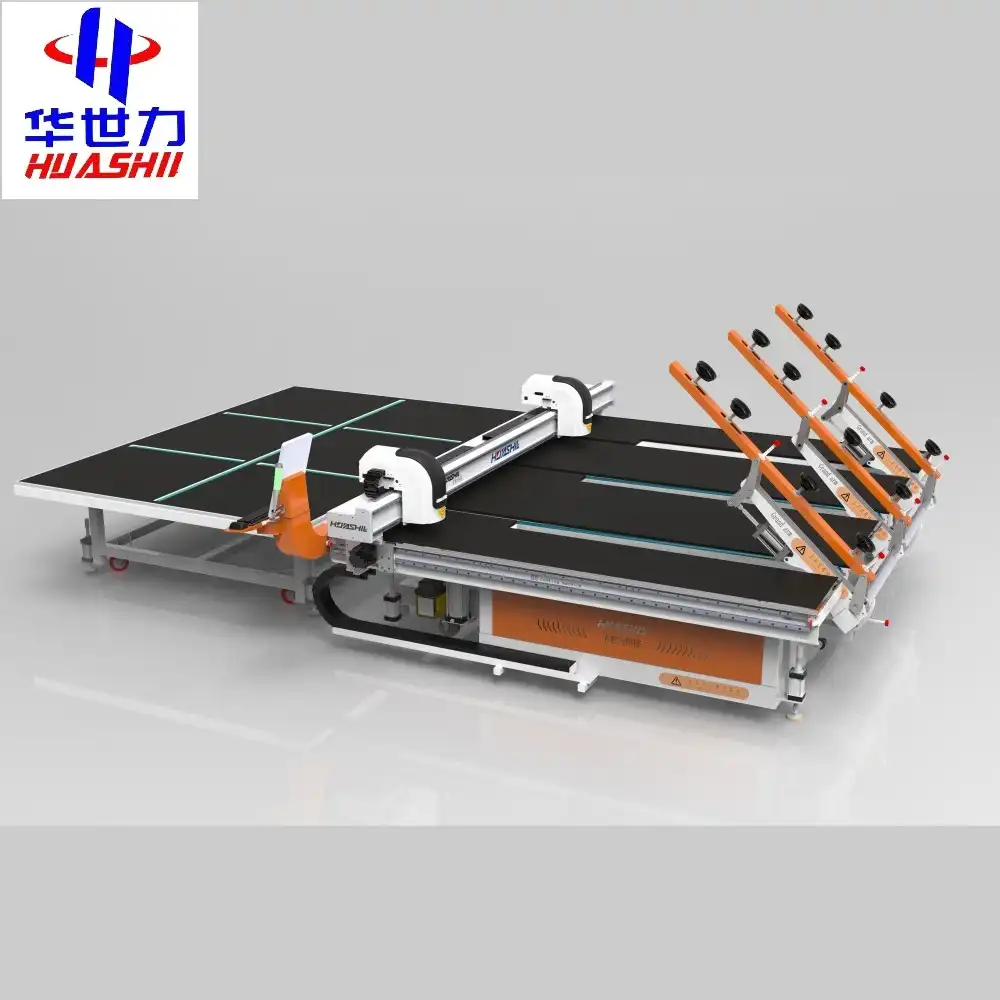
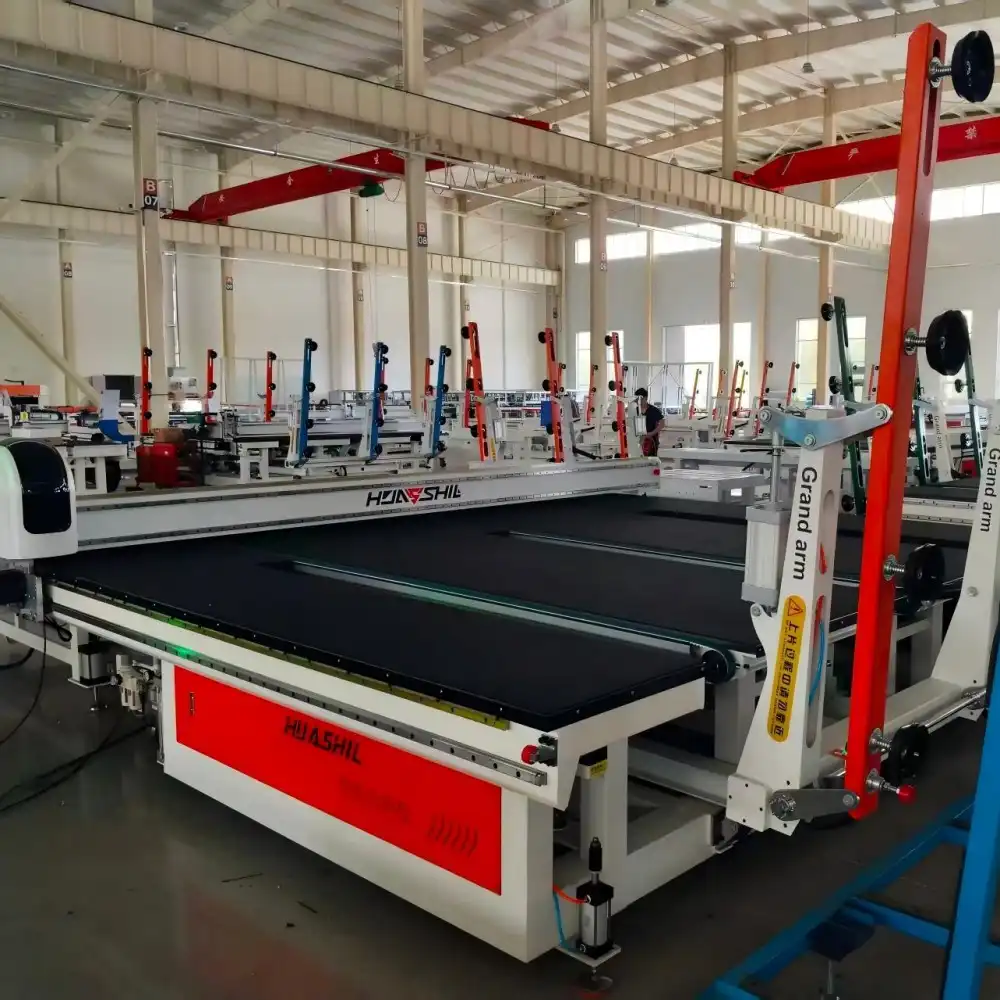
Precision-engineered air flotation tables for demanding industrial applications are produced at HUASHIL. With automated loading, integrated flotation systems, breaking tables, and 360-degree remote control operation, our HSL-SPT3624 model can handle materials up to 3660 x 2440 mm. This adaptable equipment is used in material handling, glass processing, and stone manufacturing applications where surface protection and contamination control are crucial.
Our Shandong Province production plant, supported by ISO 9001 and CE certifications, blends cutting-edge technology with strict quality control. We are aware that your production schedules and profitability are strongly impacted by the dependability of your equipment. Our technical staff reduces downtime throughout the operating life of your equipment by offering thorough installation support, operator training, and prompt after-sales servicing in addition to the original equipment delivery.
As a seasoned producer of air flotation tables, we welcome questions from production directors, plant engineers, and procurement managers assessing equipment for new installations or facility improvements. To discuss your particular application needs, seek technical details, or schedule a demonstration of our flotation technology capabilities, get in touch with our sales team at salescathy@sdhuashil.com.
References
1. Metcalf & Eddy, Inc., Tchobanoglous, G., Burton, F. L., & Stensel, H. D. (2014). Wastewater Engineering: Treatment and Resource Recovery. McGraw-Hill Education. Fifth Edition.
2. Edzwald, J. K. (2010). Dissolved Air Flotation and Me. Water Research, 44(7), 2077-2106.
3. Rubio, J., Souza, M. L., & Smith, R. W. (2002). Overview of Flotation as a Wastewater Treatment Technique. Minerals Engineering, 15(3), 139-155.
4. United States Environmental Protection Agency. (2000). Wastewater Technology Fact Sheet: Dissolved Air Flotation. EPA 832-F-00-017.
5. Bratby, J. (2016). Coagulation and Flocculation in Water and Wastewater Treatment. IWA Publishing. Third Edition.
6. World Bank Group. (2007). Environmental, Health, and Safety Guidelines for Textile Manufacturing. International Finance Corporation.