




Securing reliable industrial glass cutter transport services is essential when investing in high-value automated equipment. Whether you're shipping a single machine or a complete production line, understanding logistics complexities protects your capital investment and production timeline. This guide walks you through every aspect of transporting industrial glass cutting equipment safely and cost-effectively, from packaging considerations to selecting specialized carriers. We'll explore the unique challenges plant managers and procurement professionals face, offering practical strategies that minimize risk and ensure your machinery arrives ready for installation.
Understanding Industrial Glass Cutter Transport Challenges
In order to export industrial glass cutting gear, a number of crucial challenges must be overcome. Throughout the logistics chain, specific attention is required due to the equipment's weight, precise components, and operational sensitivity.
Fragility and Precision Component Vulnerability
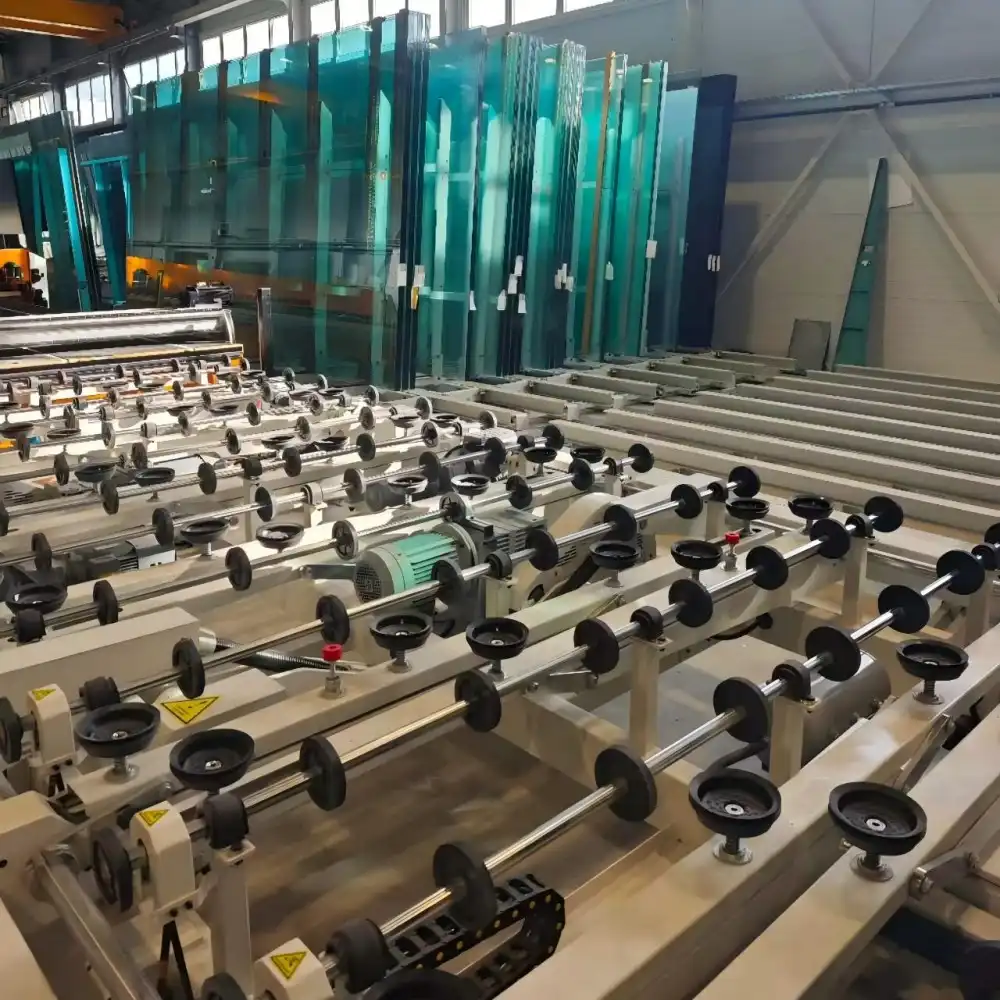
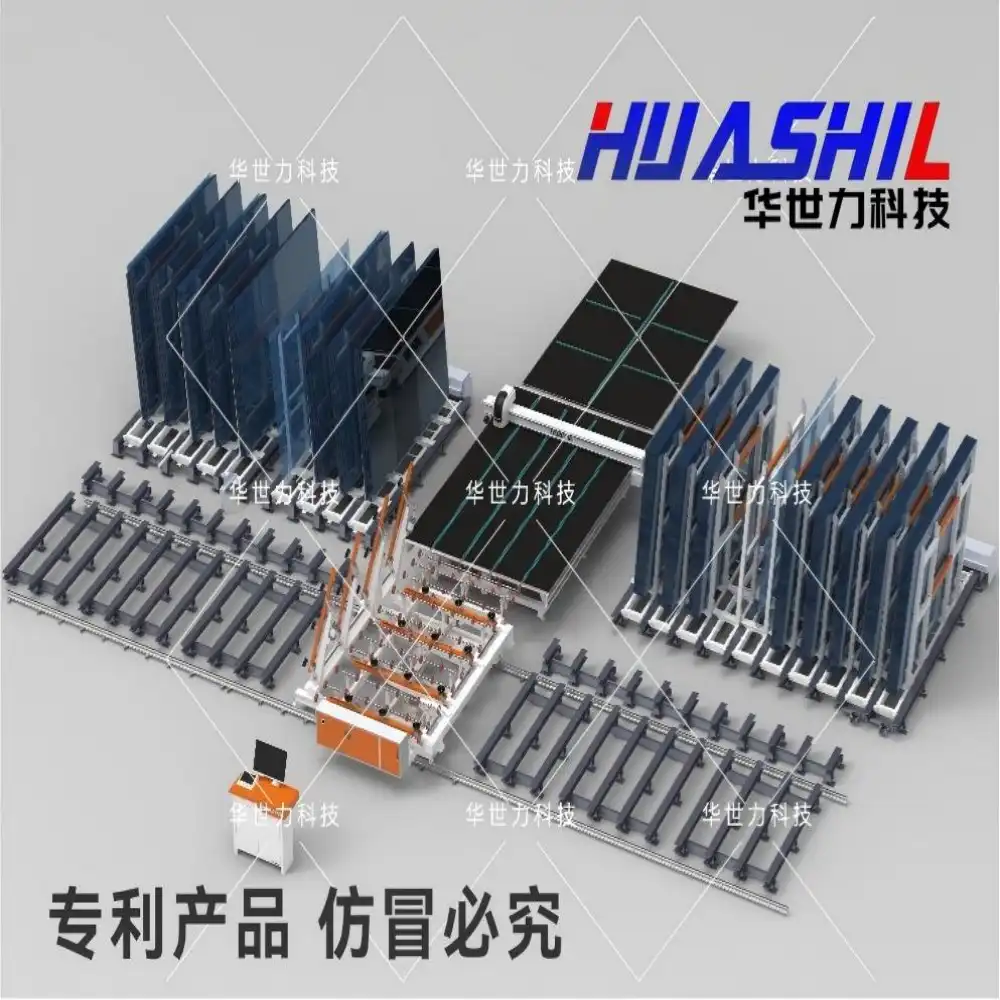
Modern glass cutters, such as the HSL-LSX6133 type, have breaking mechanisms, loading systems, and sensitive cutting surfaces that need to be completely stable while in transportation. Glass panels up to 6100x3300mm may be handled by the machine's three integrated tables—loading, cutting, and breaking—each of which has grand arms and precision rails. These parts can be misaligned by even little vibrations or impacts, which can compromise calibration and cutting precision when installed. Because they maintain the precise positioning tolerances required for perfect glass processing, the six grand arms on each side are especially susceptible to startling movements.
Environmental Factors During Transit
Electronic control systems and metal components are seriously at risk from temperature changes and humidity exposure. Sophisticated optimization software like Optima, which uses delicate circuitry that moisture might harm, is frequently found in glass manufacturing equipment. Containers may accumulate moisture during weeks-long maritime freight, which might corrode electrical connections or harm circuit boards. Because even surface corrosion can impede smooth operating movement, equipment with above-ground or subterranean rail designs has to be protected against rust development.
Regulatory Compliance Across Borders
Regulations pertaining to electrical standards, safety certificates, and machinery imports must be met by international shipments. Detailed technical paperwork, such as equipment specifications, country of origin certifications, and conformity verification with American safety requirements, is required by US customs. In order to prevent expensive delays at ports of entry, procurement managers must collaborate with carriers skilled in handling these legal requirements. To speed up customs processing, documentation should explicitly state the machinery's function, worth, and operational requirements.
Best Practices for Safe Industrial Glass Cutter Transport
The first steps in safeguarding your equipment investment are careful planning and industrial glass cutter transport services carrier selection. Damage risk is greatly decreased by putting established preventative measures into practice.
Custom Crating and Shock Absorption
For complicated automated machinery, standard palletization is insufficient. Structural stability that absorbs exterior impacts is provided by specially designed hardwood crates that are tailored to the specifications of each machine. Internal bracing is necessary to avoid movement between loading, cutting, and breaking sections due to the multiple-table structure of the HSL-LSX6133. Precision parts are cushioned by high-density foam inserts, and fragile edges are protected by shock-absorbing corner guards.
In order to minimize tipping during handling, specialized packaging providers create boxes that take machine weight distribution and center of gravity into consideration. Because each station module requires independent stability within the broader shipping system, the 2+2 station arrangement requires special consideration. Marine-grade plywood provides extra protection during international shipping since it can tolerate moisture better than regular wood. By creating a vapor barrier against humidity, anti-corrosion VCI paper wrapped over metal surfaces protects mechanical parts and rail systems.
Comprehensive Labeling and Handling Protocols
Every individual handling your package is informed of the handling requirements via clear labeling. Incorrect orientation is prevented by prominent "Fragile Equipment" and "This Side Up" labels. Setting maximum stacking weight limitations prevents warehouse workers from piling bulky items on top of your equipment. Comprehensive handling guidelines in several languages guarantee that foreign logistics partners are aware of unique needs.
Real-time position monitoring and condition notifications are made possible by GPS tracking devices included in shipments. Accelerometers that capture impact events are part of contemporary tracking systems, recording any instances of harsh handling. This information helps identify trouble spots in your logistics chain for upcoming shipments and is also helpful for insurance claims in the event of damage.
Insurance Coverage Strategies
Basic damage is usually covered by standard freight insurance; however, coverage may be limited to reported value or exclude specialist machinery. Broader protection, including coverage for installation delays brought on by shipment damage, is offered by comprehensive all-risk plans specifically designed for automated equipment. Detailed photographic documentation prior to crating proves pre-shipment condition and supports any damage claims when insuring equipment valued at tens of thousands of dollars.
Since damage to one component may need lengthy repairs or the replacement of linked systems, policy terms should specifically cover partial damage to complicated machinery. Because glass cutting equipment is interrelated, damage to the control panel or optimization software system impacts the operation of the entire production line.
Comparing Industrial Glass Cutter Transport Service Providers
The success of the delivery and the state of the equipment when it arrives are directly impacted by the choice of logistics partner. Not every freight company has the knowledge required for sensitive industrial equipment.
Specialization in Fragile Equipment Handling
The handling procedures necessary for industrial glass cutter transport services for glass processing systems are understood by carriers who have proven expertise moving CNC machinery, printing equipment, or other precise automation. These specialist freight businesses use skilled workers who are knowledgeable about identifying vulnerable components, utilizing the right lifting equipment, and securing large machinery. Ask customers who have shipped comparable automated production equipment for case studies or references when assessing suppliers.
Businesses that specialize in the logistics of the glass industry provide value by comprehending the scheduling requirements of the sector. They understand that production line installations follow rigorous timetables, and that delivery delays result in lost income and output capacity. Reputable carriers keep connections with professional transporters who can drive large cargoes into production facilities and navigate plant access roads.
Express Versus Economy Shipping Options
The choice of shipping method weighs risk tolerance, urgency, and economic concerns. By significantly cutting down on travel time, air freight minimizes exposure to environmental conditions and handling hazards. Faster production line commissioning is made possible by the fact that equipment traveling by air freight from Asia to the United States arrives in a matter of days as opposed to weeks. However, air freight is significantly more expensive and may provide difficulties for equipment such as the HSL-LSX6133 due to size or weight limits.
Heavy machinery can benefit economically from ocean freight, especially when exporting entire manufacturing lines or many units at once. Although lengthier transport periods increase exposure to temperature fluctuations and handling frequency, container shipping offers weather protection and security. Procurement managers should compute the total cost of ownership by weighing premium freight costs against production delays caused by prolonged delivery periods.
Certification and Reliability Indicators
Reputable carriers uphold certificates proving adequate insurance coverage and operating requirements. Seek out suppliers with ISO 9001 quality management certification, which denotes methodical handling, documentation, and customer communication procedures. Carrier liability insurance should cover consequential losses in addition to the reported value of your equipment.
Online evaluations and industry reputation offer information about the quickness of claims handling and the dependability of carriers. Manufacturing experts who have delivered comparable equipment can provide frank evaluations of carrier performance during delivery difficulties on B2B platforms and industry forums.
How to Procure Industrial Glass Cutter Transport Services Efficiently
Simplifying procurement ensures dependable service that fulfills project deadlines while cutting expenses.
Providing Detailed Shipment Specifications
Comprehensive equipment information is necessary for accurate quotations. Procurement managers should provide specific weight measurements, origin/destination addresses, facility access data, and dimensions, including any oversized components. Carriers can determine special handling needs and evaluate crating requirements by looking at photos of the equipment.
The HSL-LSX6133's maximum glass size capacity of 6100x3300mm reveals significant machinery dimensions that affect the choice of shipping method and the need for handling equipment. Indicate whether the machine is shipped as a single unit or in modular parts, as this influences the difficulty of packaging and the coordination of reassembly after delivery.
Digital Booking Platforms and Scheduling Tools
Shippers and specialist carriers may compare quotes and assess service quality thanks to modern freight markets. By offering digital bill of lading creation, customs paperwork templates, and cargo tracking dashboards, these technologies simplify documentation. Aligning equipment delivery with facility preparation and installation crew scheduling is made easier by integration with production planning systems.
Carrier screening, showing credentials, insurance verification, and performance evaluations are common features of booking systems catering to the industrial equipment industry. Making educated decisions without conducting in-depth individual carrier research is made possible by this transparency.
Contract Negotiation and Risk Mitigation Clauses
Clearly defined obligations, liabilities, and remedies for industrial glass cutter transport services failures are all part of well-structured transport agreements. Delivery windows should be specified in contracts, along with penalties for exceeding predetermined deadlines. Risk distribution provisions specify who is liable for different damage scenarios, delays at customs, or situations of force majeure.
Purchasing companies might bargain for bulk discounts and priority service agreements if they ship several computers a year. Building preferred carrier agreements lowers per-shipment costs through economies of scale and ensures consistency in service quality. Long-term contracts frequently provide advantageous terms for payments and specialized account administration, making it easier to coordinate logistics for continuous equipment purchases.
Future Trends and Innovations in Industrial Glass Cutter Logistics
Through technological integration and sustainability measures that improve dependability and transparency, the freight sector continues to evolve.
Sustainable Transport Solutions
Logistics choices are becoming more and more influenced by environmental factors as manufacturers embrace corporate sustainability objectives. Carbon-neutral shipping solutions reduce fuel usage by using biofuels, buying carbon offsets, or optimizing routing. Biodegradable cushioning and reclaimed wood crating are examples of eco-friendly packaging materials that lessen environmental effect without sacrificing protection.
In order to help procurement teams measure sustainability advances, some progressive carriers provide comprehensive carbon footprint statistics for every shipment. These measures demonstrate business environmental responsibility to stakeholders and consumers while supporting ESG reporting standards.
IoT and Real-Time Monitoring Technologies
Throughout transportation, Internet of Things sensors installed in shipping containers measure temperature, humidity, shock events, and location. Logistics coordinators can take preventative action before damage is done thanks to automated notifications that inform them of threshold violations. This visibility is crucial for risk management when carrying equipment with delicate electronics and precise parts.
Customs processing and facility reception processes are streamlined by smart packaging that uses RFID tags and QR codes. Scanning codes reduces processing time and paperwork mistakes by promptly retrieving all cargo data, equipment specs, and handling instructions.
Supply Chain Resilience Strategies
Single-source logistics solutions are vulnerable, as seen by recent interruptions to international commerce. Resilience against port congestion, carrier capacity constraints, or geopolitical issues is increased by diversifying carrier connections and keeping backup routing options. Supply chain flexibility is increasingly included in transportation planning by procurement specialists, who also maintain contacts with many suitable carriers and find other shipment routes.
Anticipating possible interruptions is made easier by knowing the patterns of regional commerce. By keeping an eye on policy changes that impact tariffs, customs processes, or freight laws, logistics plans may be proactively adjusted to prevent unforeseen expenses or delays.
Conclusion
Throughout the logistics chain, meticulous preparation, specialized knowledge, and attention to detail are necessary for the successful transportation of industrial glass cutting equipment. Plant managers and procurement specialists must choose carriers and procedures that safeguard significant capital expenditures while balancing cost concerns with risk reduction. Your machinery will come prepared for installation and production if it is properly packaged, fully insured, and equipped with real-time monitoring technology. Keeping up with new developments in logistics sets your company up for long-term success in facility growth and equipment acquisition as global supply chains change and sustainability becomes more crucial.
FAQ
1. How long does typical industrial glass cutter shipping take?
The origin, destination, and shipping method chosen all have a substantial impact on transit times. Including customs clearance procedures, ocean freight from Asian production facilities to US ports usually takes three to five weeks. This time is shortened to 5-7 days using air freight; however, the expenses are significantly greater. Depending on the distance and route, domestic ground transportation in the US typically takes one to two weeks to accomplish. When creating installation schedules, plant managers should account for any delays at customs, inclement weather, or difficulties with carrier scheduling.
2. What certifications should logistics providers possess?
Reputable carriers should uphold their ISO 9001 quality management accreditation, which attests to their methodical operating procedures. Make sure you have sufficient liability insurance that covers the full cost of your equipment as well as any resulting damages. Customs brokerage licensing and bonding are required for carriers operating international routes. Oversized load handling and rigging certificates are frequently held by specialized heavy machinery movers. To guarantee regulatory compliance and sufficient financial protection, request evidence of these qualifications throughout the carrier evaluation process.
3. Can damage be prevented entirely during transport?
Although there is no shipping technique that completely eliminates risk, careful planning significantly lowers the likelihood of damage. Strong defense against typical transit threats is provided by custom crating designed for your particular machinery, shock-absorbing materials, and environmental protection. Risk exposure is further reduced by using real-time monitoring technologies and choosing carriers with proven heavy machinery experience.
Partner with HUASHIL for Reliable Glass Processing Equipment and Logistics Support
From production to delivery, Shandong Huashil Automation Technology is prepared to meet your needs for industrial glass cutting equipment. As a seasoned producer of glass machinery with a large export business, we recognize the vital significance of safe equipment transportation. Our HSL-LSX6133 model is an example of sophisticated automation intended for architectural glass, curtain wall, and furniture production applications. It has three integrated tables, Optima optimization software, and adaptable 2+2 station configurations. Working with us gives you access to both our logistical know-how, which has been honed over years of successful international shipments, and our precision-engineered technology. In order to guarantee that your investment arrives in great shape, we work with expert carriers that have experience handling delicate automated equipment. To discuss your glass processing needs and obtain a thorough price that includes equipment specs, packaging options, and coordinated transport services, get in touch with our team at salescathy@sdhuashil.com. Find out why glass manufacturing facilities all across the world rely on HUASHIL as their go-to provider of industrial glass cutter transport services for full production line solutions.
References
1. International Safe Transit Association. (2022). "Packaging and Transportation Guidelines for Industrial Machinery." ISTA Resource Publication Series.
2. American National Standards Institute. (2021). "ANSI MH10.8.9: Protective Packaging - Unit Load and Transport Package Performance Testing Standards."
3. Glass Manufacturing Industry Council. (2023). "Best Practices for Glass Processing Equipment Installation and Logistics." Industry Technical Report.
4. Journal of Industrial Logistics Management. (2022). "Risk Mitigation Strategies in High-Value Capital Equipment Transportation." Vol. 18, Issue 3, pp. 112-128.
5. U.S. Customs and Border Protection. (2023). "Importing Commercial Industrial Equipment: Compliance and Documentation Requirements." CBP Publication 0000-0574.
6. Freight Transportation Research Association. (2023). "Sustainable Practices in Heavy Machinery Logistics: Environmental Impact and Cost Analysis." Annual Industry Survey Report.