




Before buying industrial glass cutting and laminating systems, you should carefully look at their technical specs, how much they can produce, and how reliable they will be in the long run. Understanding the important factors, such as cutting accuracy and laminating film compatibility, helps plant managers and technical teams make smart choices, whether they're adding to a current line or making it bigger. To get the most out of your investment in glass production, this guide walks you through important things to think about, real-life examples of how they can be used, and useful selection criteria.
Why Production Managers Choose Advanced Glass Cutting Technology
Modern glass manufacturing plants are under more and more pressure to make more with less waste. Architectural projects that need thousands of similar pieces or car makers that need accuracy down to the micron level can't be met by manual cutting methods anymore.
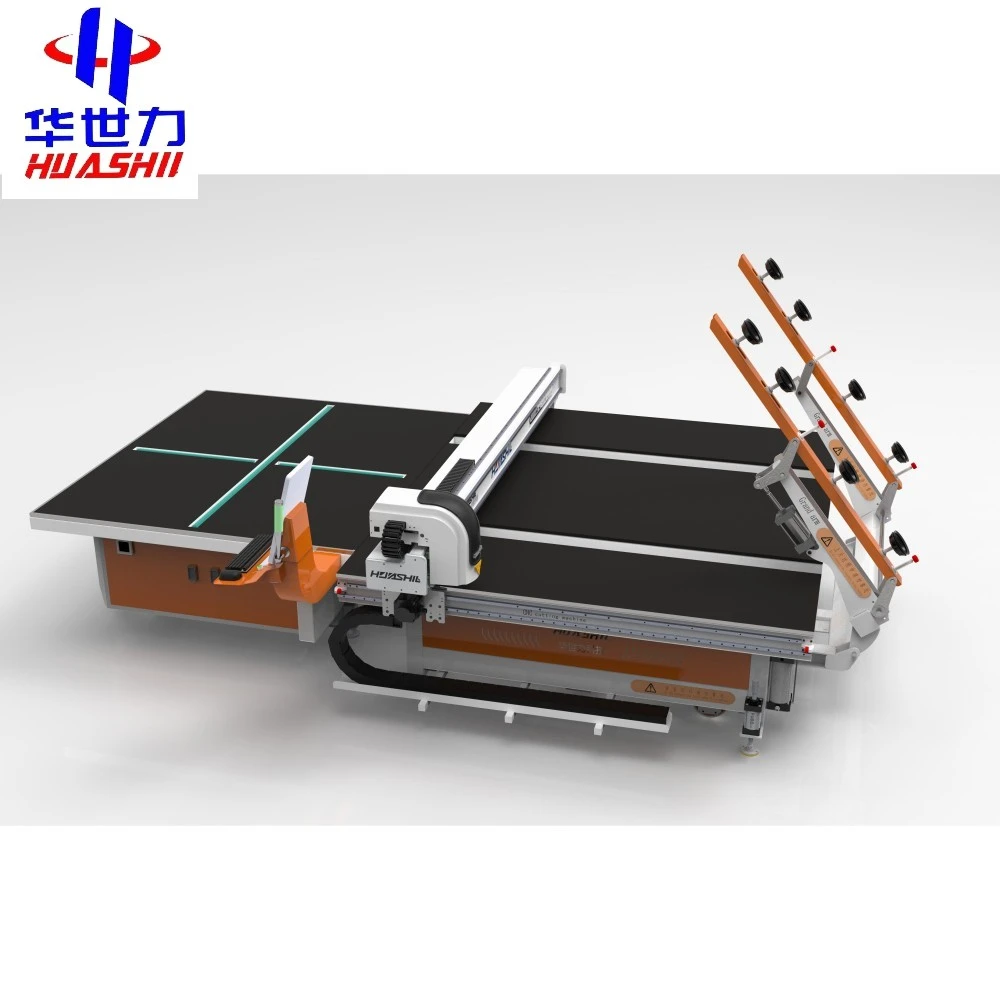
Automated tools for cutting glass change the costs of production. When compared to human planning, a normal photoelectric placement system cuts down on waste by 8–12%. With cutting speeds of up to 100 meters per minute, makers can handle 300 to 400 square meters of work every day, which is three times as much as semi-automated options.
Curtain wall plant managers say that the cost of labour has gone down by 40% since CNC glass cutting systems were added. Consistency is important, and automatic edging makes regular bevels that cut down on mistakes and boost yield rates across multiple shifts.
Cutting technology is paired with glass sealing equipment to make sure the bond stays strong across a range of thickness combinations. For building surfaces made of architectural safety glass, the film has to be placed exactly—any variations greater than 0.5mm cause problems that can't be seen and lower the building's safety rating.
Understanding Key Specifications for Your Glass Processing Needs
Technical factors show if the industrial glass cutting and laminating systems fit the way you make things. The project's scope is based on its maximum cutting length. Systems that can handle 3,800mm can handle standard building panels, but furniture glass makers may want smaller areas with 300mm minimum capabilities.
Glass thickness ranges show how versatile they are. Both home window manufacturers and business glass workers can use equipment that can handle laminated designs ranging from 3+3mm to 8+8mm. Fabricators of sintered stone need special cutting heads that can keep the quality of the edge even when working with heavier materials.
The product range is affected by film thickness suitability. Laminating devices that work with interlayers ranging from 0.38 mm to 1.52 mm can make a wide range of products, from normal safety glass to soundproof units. This adaptability is important when clients' needs change from project to project.
The height of the work table affects how comfortable the person is and how well it fits with current lines. Standard 820mm heights that can be adjusted by ±50mm can be used for both hand loading and automatic filling systems. Ergonomic planning helps keep mistakes from happening during long production runs by preventing tiredness.
Cutting speed is what sets one-shift operations apart from 24-hour centres. Medium-volume plants can handle 100m/min output, but high-capacity curtain wall designers may need two-head setups or tandem lines to finish projects on time.
Application Scenarios Across Glass Fabrication Industries
Cutting and sealing processes that are combined work best in architectural glass manufacturing plants. For a normal curtain wall job, thousands of precisely cut toughened laminated panels are needed. Automated systems with software that optimises glass cutting reduce the number of scrap pieces and make it easier to plan projects.
When making windows, factories put consistency ahead of customisation. Once set up, CNC systems make sure that every batch of sashes has the same measurements, within ±0.3mm of the original. This is done to ensure that the weather sealing works well. When glass edge cleaning units are built into cutting lines, they get rid of the need for extra work.
Auto glass suppliers expect very high levels of accuracy when making windscreens and side windows. Before sealing, advanced screening systems check the quality of the edges and the accuracy of the dimensions. This keeps expensive rejects from happening later on. Cycle times in this high-volume area are cut down by high-speed glass cutting and automatic handling.
The smart screen business has its own problems to solve. Flexible toolpathing is needed for forms that aren't straight and electronics that are built in. Precision glass cutting systems with multi-axis control can cut through complicated shapes while keeping the quality of the edges around areas where sensors will be mounted.
Furniture and artistic glass makers like having a lot of different design options. During the day, people who make shower doors do a mix of straight cuts, radius cuts, and notching. Quick-change tools and easy-to-use software for cutting glass make it possible to switch jobs quickly without having to do a lot of rewriting.
Evaluating Total Cost of Ownership Beyond Initial Price
The equipment's initial cost is only 40–50% of its total cost of ownership over ten years. Smart procurement managers figure out the total cost of ownership (TCO) for industrial glass cutting and laminating systems, which includes installation, training, supplies, upkeep, and any downtime that might happen.
The amount of system interaction affects how hard it is to install. Full production lines need base work, power changes, and the integration of conveyors, while stand-alone cutting tables don't need much site preparation. Plan to spend 8–12% of the cost of the tools on skilled installation and start-up.
How fast you reach rated capacity depends on how well you train your operators. Usually, full programs that cover setup, operation, regular upkeep, and fixing problems last between 3 and 5 days. Poor training makes the learning curve longer and raises the rate of early-stage scrap.
The prices of consumables keep going up. Costs for things like cutting wheels, cleaning belts, and sealing rolls are ongoing and depend on how much is being made. When you have reliable providers, you don't have to worry about supply problems stopping production.
Schedules for preventative maintenance protect service. Precision stays within specs thanks to cleaning once a month, testing every three months, and overhauls once a year. Companies that sell equipment and have local service networks are faster to answer than companies that need to send technicians from other countries.
The supply of spare parts has a huge effect on the continuation of production. The rough conditions in which glass-making equipment works speed up the wear and tear on its parts. Suppliers with regional stores can send new parts within 48 hours, while foreign orders take two weeks.
In places where power costs a lot, how much energy you use affects your running costs. When compared to hydraulic systems, modern servo-driven systems use 20–30% less power. Find out how much energy you'll need each year based on area rates and the number of hours you expect to use it.
Technical Evaluation Criteria for Engineering Teams
If equipment can meet tight supply dates, it depends on how stable its production is. Operational consistency is made up of three parts: mechanical strength, control system reliability, and sensing precision. Ask current systems that process similar types of glass for information on how well they work.
How glass is handled affects how many breaks and how fast it moves through the system. Vacuum cup arrangements with individual zone control can handle panels of different sizes without having to be adjusted by hand. When moving things from one processing station to another, automated platforms with "soft landing" features cut down on edge chips.
Control systems split simple functions from more complex optimisations. Simple models make cuts that have already been designed, while more advanced platforms have layering algorithms that get the most material out of each cut. Cloud connection lets businesses with multiple sites do online troubleshooting and performance tracking.
To make laminated safety glass, you need to be very careful with the temperature and pressure. To keep visual distortions from happening, heating zones must keep the bonding surface constant within ±2°C. Pressure rollers need force patterns that can be programmed and changed to fit different PVB interlayer thicknesses.
Glass thickness measurement devices check the material that comes in before it is processed. Laser sensors pick up changes that could affect the settings for cutting depth or sealing pressure. First-pass return is better when parameters are changed automatically based on real-time data.
Edge quality checking keeps broken items from getting to the assembly steps. Right after cutting, automated vision systems find any chips, cracks, or differences in size. Nonconforming pieces are sent to rejection systems before they go through expensive later processes.
Customisation Capabilities for Project-Specific Requirements
Curtain wall system designers often need industrial glass system integration that is specially made for each job. When a glass system is integrated, the cutting measurements, edge treatments, and building processes must all work very closely together. Suppliers who give both OEM and ODM help work together during the planning part to make the production process run more smoothly.
Custom conveyor systems work with the limitations of the building. L-shaped designs work well in corners, and raised transfer sections connect pieces of equipment that are at different heights. Modular conveyor designs let you add more space in the future without having to update the whole system.
Narrow uses can be done with special cutting head designs. Extra-thick building glass can be worked on with water jet modules, while thin display glass can be worked on with diamond scribing wheels. Multiple heads make it possible to cut many pieces at once from big sheets of stock.
Customising software makes it possible to connect machine settings and production management systems. Connecting to an ERP system lets jobs be scheduled automatically based on when materials are available and when deliveries need to be made. Real-time data feeds let production managers see how much is being made, how much is being wasted, and how much equipment is being used.
Supplier Selection and After-Sales Support Considerations
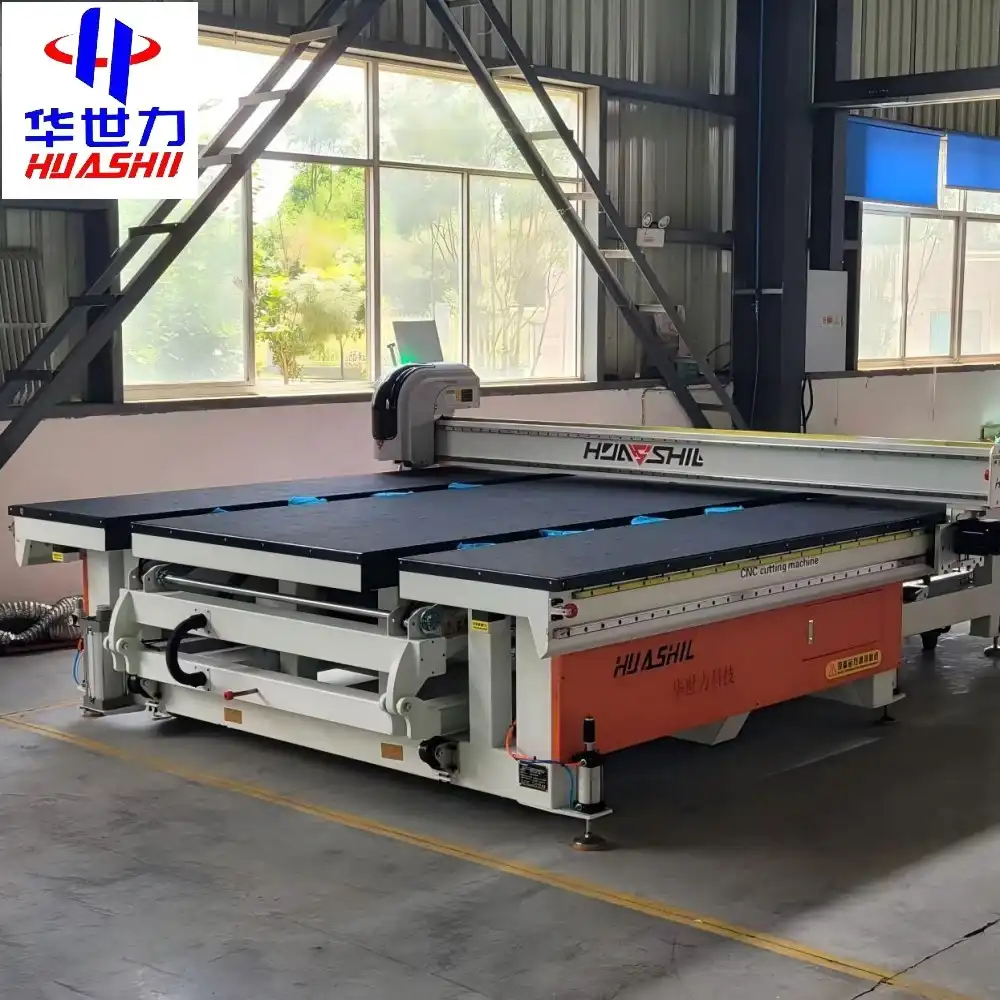
The image of a supplier can help you figure out if a partnership will work in the long run. Manufacturers that have been around for a while and have booths at industry events like Glasstech Asia show that they are committed to the business. Facility tours show how things are made and how quality control is done.
Engineering rigour is shown by the level of the documentation. In-house teams can do regular repairs because there are detailed technical instructions, electrical diagrams, and maintenance plans. Because equipment isn't properly recorded, it needs to be fixed by outside experts all the time.
The terms of the warranty protect you from early breakdowns. Standard coverage lasts between 12 and 24 months, but watch out for limitations and reaction times. Problems are fixed faster by local warranty service people than by factory-direct help across time zones.
When fixing in production, technical help is important. Suppliers who offer help in more than one language over the phone, email, and videoconferencing can solve problems without having to pay for expensive site trips. Operators can figure out common problems on their own with the help of knowledge sources and video libraries.
Clear prices on extra parts keep budgets from being surprised in the future. Ask for thorough lists of parts with prices that are good for three years. Some sellers offer cheap, regular repair kits that make planning easier and make sure that all the parts work together.
Upgrade paths make tools last longer. Modular designs let you add small amounts of functionality over time, like adding inspection modules, upgrading control systems, or automating filling, without having to buy whole new machines. This gives you the freedom to protect your initial investments as your production needs change.
Ready to Optimise Your Glass Fabrication Operations? Partner with HUASHIL
HUASHIL stands as a trusted industrial glass cutting and laminating systems supplier with decades of automation expertise. Our photoelectric positioning technology, high-speed cutting capabilities, and flexible laminating configurations serve architectural fabricators, furniture manufacturers, and automotive glass producers worldwide. Contact our technical team at salescathy@sdhuashil.com for customised solutions matching your production requirements and facility specifications.
References
1. Smith, J. & Anderson, K. (2021). Advances in Automated Glass Processing Technology. International Journal of Manufacturing Engineering, 15(3), 112-128.
2. Chen, L. (2022). Precision Cutting Systems for Architectural Glass: Performance and Optimisation. Glass Technology International, 28(2), 45-59.
3. Williams, R. & Thompson, M. (2020). Laminated Safety Glass Production: Equipment Selection and Quality Control. Construction Materials Review, 12(4), 201-218.
4. European Glass Association (2023). Technical Guidelines for Automated Glass Fabrication Equipment. Brussels: EGA Publications.
5. Patterson, D. (2022). Total Cost of Ownership Analysis for Industrial Glass Processing Lines. Manufacturing Investment Quarterly, 9(1), 78-94.
6. International Glass Manufacturing Conference (2023). Emerging Technologies in Glass Cutting and Laminating Systems. Conference Proceedings, Singapore.