




In order to create safety glass for building, automotive, and artistic uses, industrial glass cutting and laminating systems serve as the foundation of modern glass processing facilities. These automatic production lines use both precise mechanics and smart software to turn raw glass sheets into finished goods that meet strict industry standards. From curtain walls for buildings to windscreens for cars, manufacturers depend on these systems to keep quality high while keeping production speeds competitive. Knowing how these technologies work, how often they need to be maintained, and what new ideas are coming out helps plant managers and technical directors buy capital equipment that helps them reach their production goals.
Understanding Industrial Glass Cutting and Laminating Systems
Core Components and Processing Workflow
Cutting and laminating units in modern glass-making plants work together in synchronised processes thanks to integrated systems. The cutting stage usually works with glass panels that are between 300 mm and 3800 mm long, and each layer can be any thickness between 3 mm and 8 mm. Photoelectric positioning sensors on automated cutting tables achieve micron-level accuracy, making sure that every piece fits perfectly during the next stages of assembly.
When raw glass enters the cutting zone, scoring devices or other technologies make controlled fracture lines. This starts the work process. Operators set up cutting patterns using easy-to-use touchscreens that cut down on training time and increase throughput. After being separated, the cut pieces go to stations for quality control before going to the laminating phase. This is where heat and pressure are used to bond several sheets of glass together using interlayer films.
Cutting Technologies: Scoring, Laser, and Waterjet Methods
Traditional scoring systems are still used in high-volume settings because they are quick and don't cost much. When used correctly, carbide wheels create areas of high surface stress that make clean separation possible. These systems can go as fast as almost 100 meters per minute, which makes them perfect for making standard rectangular cuts in architecture.
Laser cutting gives you better edge quality for specific tasks that need complicated shapes without putting mechanical stress on the material. The focused beam melts things along lines that have already been planned. This makes the sides smooth, which means less extra processing is needed. But compared to automatic scoring, this technology has higher running costs and takes longer to process.
When thermal stress needs to be avoided, waterjet cutting is the best way to work with laminated assemblies or thick glass compositions. When high-pressure water streams are mixed with rough particles, they wear away at materials without creating heat-affected zones. This method works well for companies that make special furniture or artistic pieces with complicated shapes.
Laminating Process: Layers and Techniques
By connecting several layers with polymer interlayers, lamination turns regular glass into safety glazing. Polyvinyl butyral (PVB) films with thicknesses between 0.38 mm and 1.52 mm are used in most building uses because they are clear and stick well. Under controlled heating, the material relaxes and flows to fill in tiny surface flaws before hardening into strong links.
EVA (ethylene-vinyl acetate) interlayers are popular for decorative uses and smaller production runs because they are easier to work with and can withstand lower temperatures. Because of the chemicals that make them up, they are very resistant to UV light and can be used in a wide range of temperatures.
SentryGlas is made with modern ionoplast technology that makes it five times stiffer and one hundred times less likely to tear than regular PVB. Even though it costs more, this material is being used more and more in structural glass, hurricane-resistant walls, and overhead installs. To get the best bonding strength, the manufacturing process needs precise temperature control and long dwell times.
Safety Standards and Compliance Requirements
Following industry rules saves both producers and end users throughout the lifecycle of a product. In the US, safety glazing materials are regulated by ANSI Z97.1 and CPSC 16 CFR 1201. These rules set the minimum levels of impact resistance for building uses. Federal Motor Vehicle Safety Standard 205 says that auto glass must meet certain requirements for optical quality, resistance to penetration, and retention.
During production, many checks are made to make sure everything is correct. These include looking at the product under polarised light to find stress patterns, checking the adhesion by measuring the peel strength, and outdoor ageing routines that make the product look like it has been exposed to the elements for years. To show that they are following the rules during regulatory checks or warranty claims, documentation systems keep track of material certifications, processing parameters, and quality data.
Benefits and Maintenance of Industrial Glass Cutting and Laminating Systems
Enhanced Efficiency and Precision Outcomes
Automation with industrial glass cutting and laminating systems reduces production costs. Accurate cutting within ±0.5mm reduces waste by minimizing discardable edge trim. For correctly calibrated industrial glass cutting and laminating systems, rejection rates decrease below 2% because placement is reliable and eliminates human mistakes. These variables boost material productivity by 8–12% in typical manufacturing.
Labor is more efficient due to less handling and shorter cycle times. One person may manage many processing lines, freeing up personnel for maintenance and quality control. When a company's production capacity increases, it may take on larger orders or provide more items without hiring additional personnel.
Modern systems use less energy per unit due to variable-frequency drives, demand-based heating, and optimized motion profiles. Heat recovery systems employ autoclave heat to warm fresh materials or make rooms more pleasant, lowering operating expenses even further.
Routine Maintenance and Troubleshooting
Schedules for preventative repair make devices last longer and reduce unplanned downtime. Cleaning the cutting wheels, checking the alignment of the conveyor, and making sure the sensors work are all things that need to be done every day. As part of weekly checks, lubrication points, hydraulic fluid levels, and the integrity of electrical connections are all checked. Precision parts get rid of glass dust that affects measurement accuracy once a month through deep cleaning cycles.
Problems like uneven cutting depth are often caused by score wheels that are too worn and need to be replaced every 20 to 30 kilometres. Edge delamination and other problems with laminating are usually caused by not enough heating time or dirty glass surfaces, not by problems with the tools themselves. Setting up standard mending procedures helps workers tell the difference between making changes to the process and fixing the machine.
Environmental Considerations and Sustainable Practices
Processing glass doesn't produce as much chemical trash as processing other materials, but efforts to be more environmentally friendly are still focusing on ways to save energy and make materials work better. Modern cutting tables use stacking algorithms to order parts so that most of the sheet is used. This cuts down on glass waste. To get the best results, these software tools take into account the direction of the grains, the patterns of stress, and the shortest lengths between edges.
Water recycling systems collect and filter the coolant used in grinding operations. This cuts the amount of water used by cities by 70–85%. The recovered water meets quality standards for non-contact uses after going through stages of settling tanks and particulate filtering.
Recycling streams take steel frames and aluminium parts from old equipment that has reached the end of its useful life. Electronic controllers and motors are properly processed as e-waste to get back valuable metals while also handling dangerous materials safely in line with environmental laws.
Choosing the Right Industrial Glass Cutting and Laminating Systems
Manual Versus Automated Technology Comparison
Manual cutting tables work well for low-volume businesses that make less than 50 pieces per day or for places that need to be as flexible as possible for prototyping. Without having to program, operators directly control the scoring pressure, cutting speed, and order of the parts. For basic setups, capital costs stay below $15,000. This makes it easy for new businesses and speciality shops to get started.
Semi-automated systems fill in the gaps by adding powered cutting heads and digital positioning, but still need people to load and unload the materials by hand. These hybrid methods work well for manufacturers who make between 100 and 300 pieces per day that need to meet a range of specifications. The investment for industrial glass cutting and laminating systems at this tier runs from $50,000 to $150,000, based on the size of the table and how complicated the features are.
Key Machine Features and Specifications
With its cutting capacity, the equipment can cut only so much glass. Small systems handle furniture and decorative glass handle sheets up to 2400mm x 1800mm, while architectural lines can handle 6000mm x 3300mm. Manufacturers must balance present demands with expansion expectations when determining table sizes.
Accurate placement affects material yield and assembly quality. Photoelectric sensors provide ±0.1mm repeatability in high-end systems, enabling tight-tolerance operations like protected glass modules. Mechanical stops are cost-effective and accurate to ±0.5mm, making them suitable for various applications.
Running costs and cuts depend on cutting speed. Score 100 meters per minute and process standard architectural lites in 30 seconds using high-performance technologies. Economy models take 40–60 m/min. They have higher cycle durations but work well for simple applications.
Standardizing work table height at about 820 mm increases operator comfort and simplifies upstream-downstream equipment connections. Adjustable ranges of ±50mm enable building changes and worker comfort.
Evaluating Leading Equipment Options
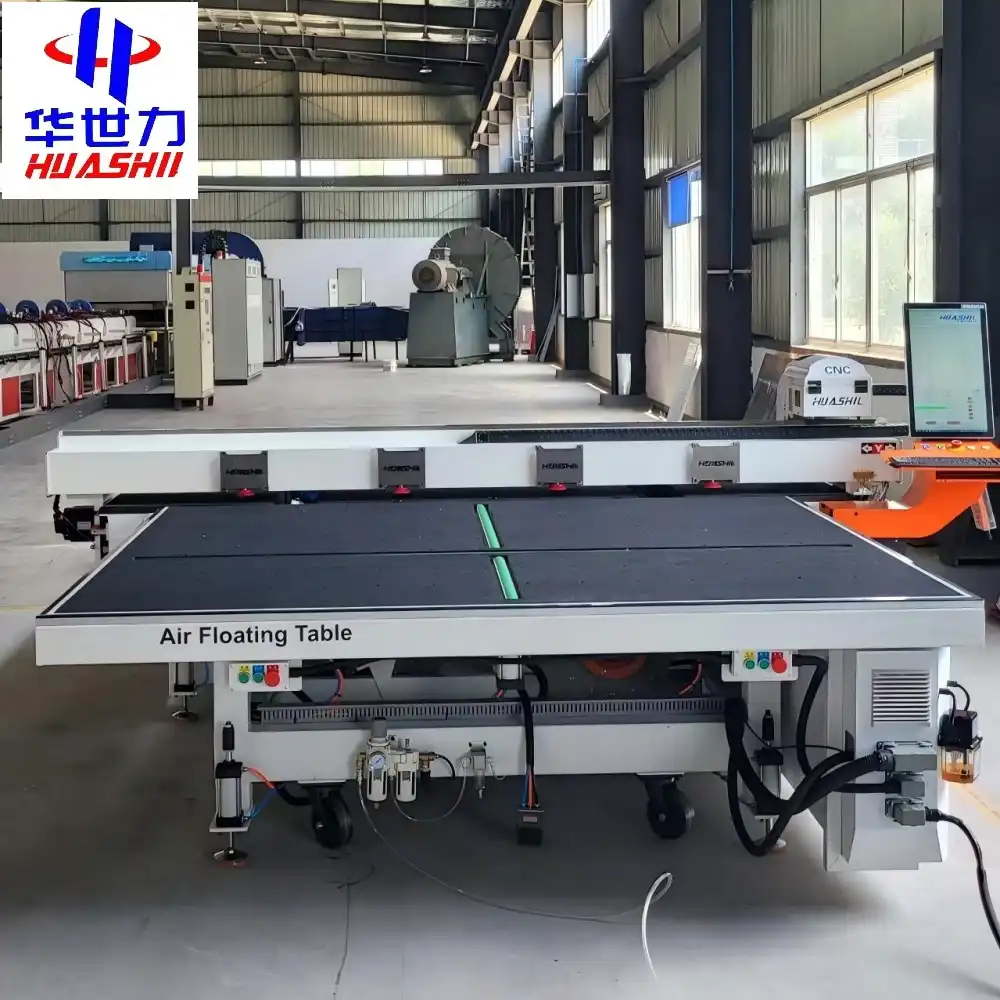
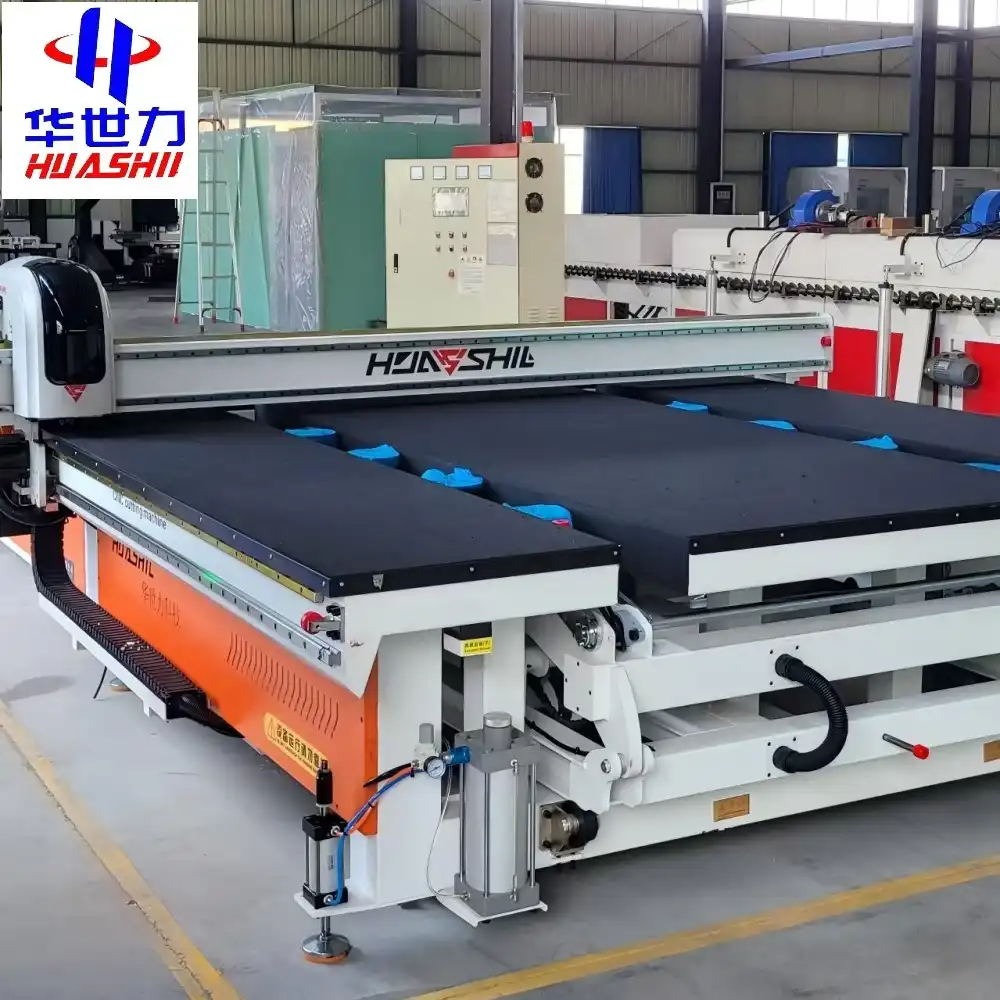
The products on the market now show a variety of ways to deal with problems in glass making. In facilities with limited space, small systems that are about 4700mm x 3100mm x 840mm can do a lot of different things. These arrangements can handle laminated glass panels ranging from 3+3mm to 8+8mm thick, with interlayer thicknesses ranging from 0.38mm to 1.52mm. This covers most building and vehicle needs.
When technical managers look at equipment, they should ask for demonstration cuts that use their own glass specifications and production patterns. Seeing the quality of the edges, checking the accuracy of the dimensions, and checking the logic of the user interface give you information that isn't in the specification sheets. Protocols for factory acceptance testing record baseline performance before shipment, setting points for ongoing quality checks.
Cost Analysis and Financial Planning
Buying equipment requires a lot of money and needs to be carefully analysed financially. Prices for purchases vary a lot depending on how automated they are, how much they can process, and how much customisation they need. Manual systems for beginners start at about $10,000, while high-capacity, fully automated lines cost more than $800,000.
When you figure out the total cost of ownership, you have to include things like installation costs, user training, spare parts inventory, repair contracts, and energy use. Different types of financing, such as capital leases, equipment loans, or manufacturer-sponsored programs, have different effects on cash flow and tax treatment. This is why it's important to talk to financial experts before making a choice.
Payback period analysis weighs the costs of investments against the benefits of higher output and less work. When manufacturers switch from manual methods to semi-automated systems, they usually get their money back within 18 to 36 months because they get more done and waste less. Even though they cost more at first, highly automated lines that handle high volumes may pay for themselves in 12 to 24 months.
Procurement and After-Sales Support for Manufacturers
Identifying Reliable Equipment Sources
Authorised dealers and approved wholesalers offer important local support services, such as installation services, training programs, and access to parts. Their technical staff knows about the building codes, utility requirements, and industry standards that affect how equipment is specified and how it works. Building ties with trustworthy sellers makes it easier to complete projects and get ongoing help.
Direct purchase from the manufacturer gets rid of the distributor's markup and lets you talk to engineering teams about customisation. This method works well for facilities that need specific configurations or want to build long-term strategic partnerships. When you work directly with production sources, it's easier to get to the factory to do training and factory acceptance testing.
Online marketplaces and procurement platforms make it easier to find goods, especially standard equipment configurations. These channels make it easier to compare prices and look over specifications, but they may limit the options for customisation and make setting up guarantee service more difficult. When using digital procurement methods, it is still important to check the seller's credentials, the origin of the tools, and their help capabilities.
Warranty Coverage and Technical Support
Full warranty programs protect investments in capital against failing too soon or having problems with the way they were made. Standard coverage usually lasts between 12 and 24 months after installation and covers structural elements, computer controls, and mechanical parts. For an extra fee, you can get extended warranties that cover key production tools for 36 to 60 months.
How quickly technical support responds determines how long problems last when they happen. Manufacturers who offer phone support 24 hours a day, seven days a week, and guarantee callbacks within two hours keep production interruptions to a minimum. Technicians can look at problems remotely, change software settings, and walk workers through fixing processes without having to visit the site.
Equipment uptime in industrial glass system integration is directly affected by the availability of spare parts. Manufacturers that keep regional warehouses stocked with common replacement parts for industrial glass system integration can deliver urgent items the same day or the next day. Systems that make it easy to find parts by using exploded diagrams and part numbers speed up the ordering process and lower the chance of misunderstandings.
Custom Configurations and Volume Purchasing
Custom system design takes into account specific output needs that standard tools can't meet well. Integration with current systems for moving materials, unique safety interlocks, or glass sizes that aren't standard may justify spending money on engineering. Manufacturer technical teams and building engineering staff work together on design processes to make sure that solutions meet business needs and stay within budget.
When buildings are expanded, or equipment is standardised across multiple production sites, there are chances to buy in bulk. When order values are higher than usual, savings for larger quantities, better payment terms, and better support plans can be worked out. Strategic connections with suppliers that are built through large purchases often lead to better treatment when capacity is limited or new products are released.
Conclusion
Industrial glass cutting and laminating systems help makers in the building, automotive, and artistic sectors make better products, work more efficiently, and be more flexible with their schedules. By knowing the specific benefits of different cutting technologies, lamination methods, and levels of automation, you can choose the right equipment to meet your production needs and growth goals. Correct maintenance methods, operator training, and strategic partnerships with suppliers all help to protect capital investments and increase equipment uptime. Progressive makers stay ahead of the competition by installing systems that can handle future growth in capabilities while still meeting the needs of today's output. These systems include artificial intelligence, energy-efficient technologies, and smart manufacturing capabilities.
Frequently Asked Questions
1. What safety protocols are essential when operating glass cutting equipment?
Operators must wear safety glasses with side shields, gloves that won't cut, and closed-toe shoes with soles that won't puncture. Machine guards should keep people from getting to moving parts while the machine is running, and emergency stops should be placed where they are easy to reach. Regular training in the right way to handle glass lowers the risk of getting hurt and raises awareness of the dangers of broken or sharp edges.
2. How often should maintenance be performed on laminating systems?
Cleaning the heating elements and rollers every day gets rid of glass bits and film buildup. Moving parts should be oiled once a week, and temperature sensors and pressure gauges should be calibrated once a month to keep them working at their best. Full inspections once a year by trained techs find wear patterns that mean parts need to be replaced before they break.
3. Can existing production lines integrate customized cutting solutions?
Standard communication protocols and mechanical interfaces make it possible for most new equipment to work with older systems. Customised conveyor connections, synchronised control systems, and modified material handling equipment make it possible to upgrade automation in stages without replacing the whole line. This protects previous capital investments while increasing capabilities.
Partner with HUASHIL for Advanced Glass Processing Solutions
Manufacturers looking for reliable industrial glass cutting and laminating systems can turn to HUASHIL, which has decades of experience making things and installing them all over the world. Our engineering team works with your production staff to come up with configurations that meet your needs for throughput, space, and plans for future growth. Before being sent out, each system goes through strict factory testing to make sure it meets performance standards when it gets to your facility.
In addition to delivering the equipment, we offer full support that includes installation supervision, operator training programs, and quick technical support throughout the entire ownership lifecycle. As a reliable supplier in the glass processing industry, we keep a large stock of spare parts and offer a range of warranty options to protect your investment. No matter if you run a plant that makes architectural glass or specialised auto parts, our solutions can be changed to fit your specific manufacturing needs.
Email our team at salescathy@sdhuashil.com to talk about how HUASHIL's cutting-edge technology can help you make more products and make them better. We'd love the chance to show you our equipment, give you references from happy customers, and make a proposal that fits your exact operational needs.
References
1. Glass Association of North America. (2023). GANA Glazing Manual: Standards and Guidelines for Glass Fabrication.
2. International Building Code. (2021). Chapter 24: Glass and Glazing - Safety Standards and Application Requirements.
3. Society of Automotive Engineers. (2022). SAE J673: Automotive Safety Glazing Standards and Testing Procedures.
4. American National Standards Institute. (2020). ANSI Z97.1: Safety Glazing Materials Used in Buildings - Specification and Test Methods.
5. National Glass Association. (2023). Technical Brief: Laminated Glass Production Best Practices and Quality Control.
6. Freedonia Group. (2024). World Glass Processing Equipment Market Analysis: Industry Trends and Forecasts to 2028.