




Production managers must decide on cost, quality, and speed when comparing industrial glass cutting and laminating systems to separate equipment. Industrial glass cutting and laminating systems incorporate many phases. This allows simultaneous operations, reducing material handling and improving precision. Independent machines may be used for certain tasks, but they must be coordinated by hand between cutting and laminating, which increases cycle time and human labour. Knowing these fundamental distinctions helps procurement teams acquire tools that match their output objectives and real-world operations.
Understanding Industrial Glass Cutting and Laminating Systems
Industrial glass cutting and laminating systems advance glassworking technology. They automate previously independent jobs into efficient processes. These technologies eliminate gaps between cutting and laminating, changing how producers build things.
What Defines an Integrated System
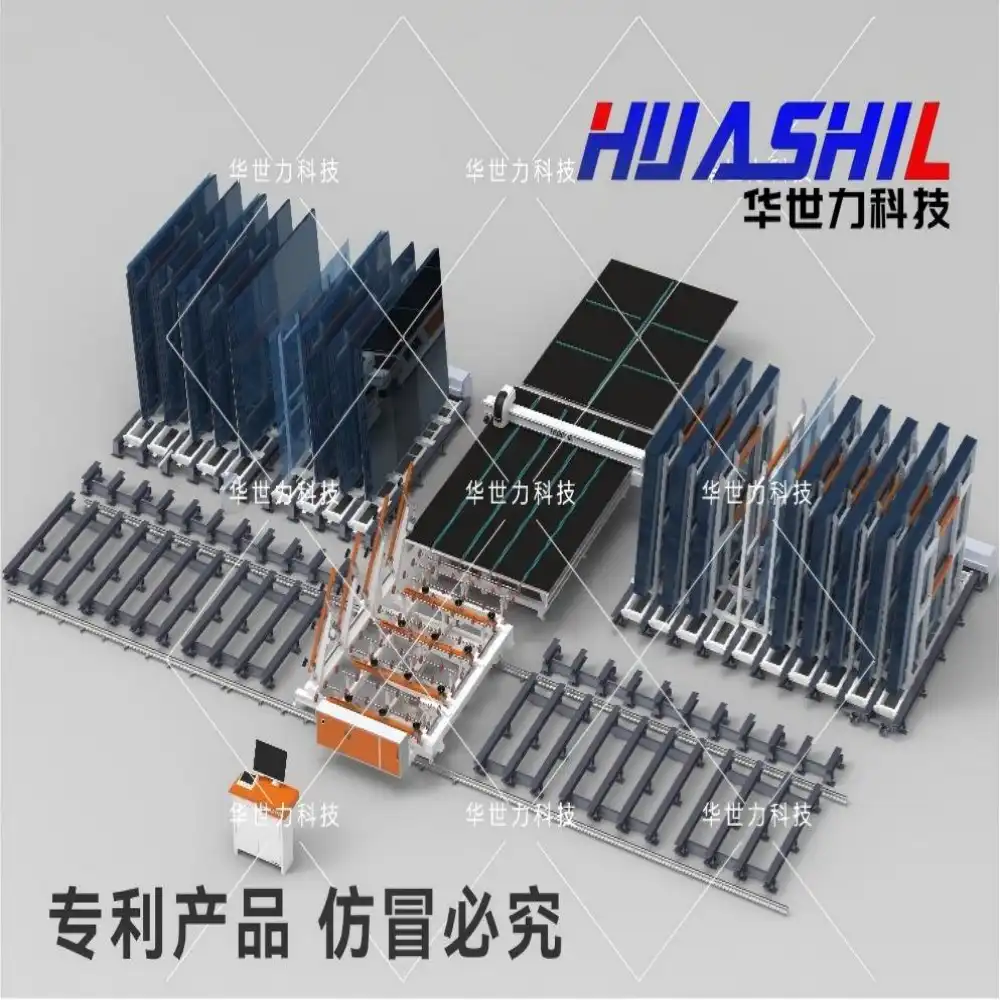
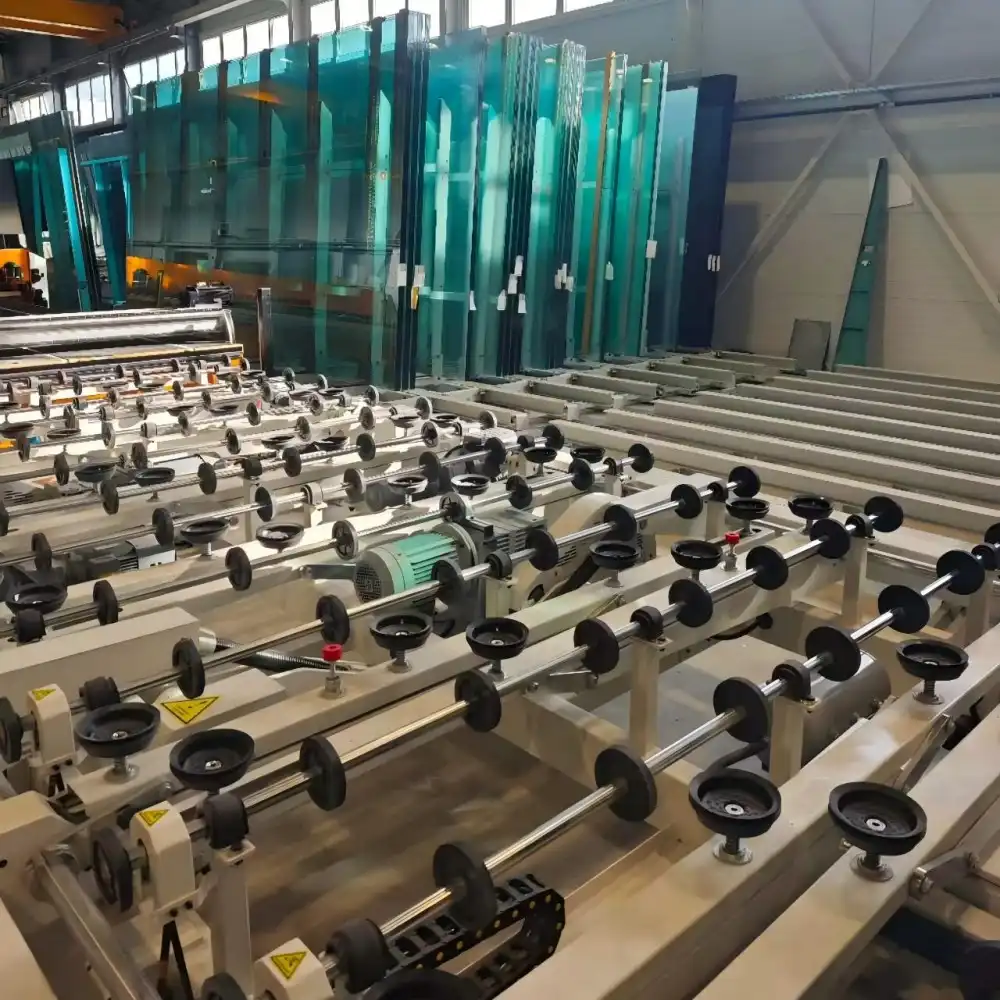
Workplaces with integrated systems use precision cutting and laminating instruments. The equipment combines cutting precision with film application and bonding. This streamlines modifications and lowers labour. Modern systems employ photoelectric positioning technology to align glass to within microns, and automated lines move objects without touching them. Integrating cutting and laminating as linked operations instead of distinct tasks fundamentally affects productivity.
The Role of Automation in Glass Processing
Integrating systems uses automation to tackle complex operations that people cannot manage. Modern control systems monitor cutting parameters, adjust blade speeds depending on glass thickness, and maintain lamination pressure. Most integrated lines can handle film thicknesses between 0.38mm and 1.52mm and glass thicknesses between 3+3mm and 8+8mm. They automatically adjust process variables to maintain quality. Automation may increase production rates to 100 meters per minute by eliminating glass-moving delays. Working together reduces errors, particularly when installing glass, where precise measurements are crucial.
Efficiency Gains from Unified Workflows
Measureable throughput and resource consumption are enhanced by unified procedures. By cutting and sealing in the same system, material flow is more dependable and efficient. The compact equipment (47003100840mm for competent systems) requires less floor space than several units scattered over a facility. Cycle times reduce 30–40% when production managers convert from standalone to merged lines. This is largely because materials don't wait in processing station lines. Sharing control systems and improved thermal management eliminates the need for multiple power draws, saving energy.
Key Differences Between Integrated Systems and Standalone Equipment
The technological and functional distinctions between these instruments influence their industrial applications. Knowing these distinctions helps individuals make good production and development decisions.
Automation Levels and Process Control
Integrated systems manage the whole manufacturing process with centralised control structures and uniform interfaces. Operators may see cutting patterns, lamination settings, and real-time production data on touchscreens. In contrast, isolated equipment requires setup and monitoring for each unit. In modern combination systems, adaptive controls automatically adjust for changes in glass qualities or external conditions, maintaining output quality without human intervention. Operators must adjust settings on standalone machines when operating circumstances change. Variation influences outcome consistency.
Scalability and Flexibility Considerations
Scalability differs markedly between integrated and standalone setups. Integrated systems excel in continuous, high-volume production, handling large panels—up to 3800 mm in length and 300 mm in width—without tool changes. Multiple items can be processed simultaneously, improving throughput for standard products.
Standalone machines, however, are often better suited for small-batch or specialty glass production because they offer greater flexibility in configuration. Individual cutting and laminating units can be relocated, modified, or combined to adapt to changing product mixes, while integrated systems require careful planning to adjust or expand as a single coordinated unit. Effective industrial glass system integration ensures that scalability is optimized without compromising workflow efficiency.
Maintenance Requirements and Downtime Management
Machine maintenance regimens vary greatly. Integrated systems allow experts to do preventive maintenance during scheduled production line downtimes. Predictive maintenance monitors cutting blade, conveyor, and lamination roller wear simultaneously to schedule repairs. This strategy eliminates unexpected pauses but requires a strong technical understanding of many processing methods. Individual freestanding equipment may be repaired without disrupting other activities, making maintenance simpler. However, this value is reduced when manufacturing relies on processing via numerous separate devices in a specified sequence, all of which must operate.
Environmental and Energy Performance
As manufacturers prioritise sustainability and economy, energy efficiency is becoming increasingly important in tool selection. Because they share electricity, have better laminating heating systems, and have specified rest modes to reduce energy usage when production stops, integrated systems have superior energy profiles. Well-designed integrated lines consume 20–35% less energy per square metre of processed glass than isolated equipment, according to industry energy audits. Beyond saving energy, integrated systems help the environment. Controlling lamination settings in closed chambers instead of open workshop areas and employing accurate cutting optimisation algorithms to nest patterns reduces material waste.
How to Choose Between Industrial Glass Cutting and Laminating Systems vs Standalone Equipment
To choose the right equipment, you need to carefully look at its scientific, financial, and working aspects. Structured methods that match the powers of equipment with business goals are helpful for procurement managers.
Assessing Production Volume and Complexity
Theory is less dependable than production quantity constraints for tool selection. Processing more than 500 to 800 square meters of glass daily makes integrated systems cheaper. Their greater beginning costs are offset by quicker speeds and reduced labour demands. Companies that create architectural glass for curtain wall projects or automotive glass with precise specifications benefit from integrated solutions for high-volume, consistency-driven operations. Small-batch furniture producers that create bespoke glass items typically find it cheaper to employ alternative cutting tables and laminating equipment. They may modify the arrangement more regularly without reprogramming connected systems, which is difficult.
Evaluating Financial Considerations and ROI
Total cost of ownership includes more than just the price of buying something. It also includes the costs of setting it up, teaching people to use it, maintaining it, and running it over its entire lifecycle. Integrated systems require bigger initial investments—usually 40–60% more than similar sets of tools that work on their own—but they pay for themselves by saving time and money on materials. When integrated systems replace manual material handling between standalone machines, labor costs usually go down by two to three full-time comparable jobs. This should be taken into account in the financial analysis. Saving energy and lowering the number of defects adds extra value that becomes important over planning periods of 5 to 7 years. Manufacturers that are trying new markets or handling limited capital may be interested in standalone equipment because it has lower entry costs and faster depreciation. However, operational costs stay higher over longer periods of time.
Prioritizing Reliability and After-Sales Support
The ability to produce goods and meet customer shipping obligations is directly affected by how reliable the equipment is. When buying teams, look at different sources; they should look at uptime figures that are written down, warranty terms that cover both parts and labor, and reaction times for technical support. Leading makers offer full guarantees and keep extra parts on hand for quick delivery because they know that when equipment breaks down in automatic settings, production losses start to pile up. There are a lot of ways to reduce risk, such as through remote diagnostics and technical help routes, such as specific contact points like specialized sales and engineering teams. Manufacturers should make sure that the supplier has worked in production setups like theirs before and ask for examples from places that use similar tools in similar settings.
Industry Trends and Innovations in Glass Cutting and Laminating Technology
The market wants better performance, sustainability, and output freedom, which is pushing glass processing technology to keep improving quickly. By keeping up with these changes, producers can stay ahead of the competition and get ready for changing customer needs.
Automation and Smart Manufacturing Integration
Smart manufacturing concepts are increasingly shaping the design of modern glass processing equipment. Industrial glass cutting and laminating systems now feature sensors along production lines to monitor cutting precision, pressure uniformity during lamination, and material usage. Data from these sensors is analyzed in real time to optimize throughput and predict maintenance needs before failures occur.
Machine vision systems enable automated quality inspections, detecting micro-cracks, bubbles, and other defects that are difficult for humans to spot, especially in high-speed production environments. Connectivity with enterprise resource planning (ERP) systems allows automatic adjustment of stock levels and production schedules based on real-time data, creating highly responsive factories capable of quickly meeting changing production targets.
Advances in Cutting and Lamination Techniques
As precision keeps getting better, what glass computers can do changes. Modern cutting systems have controls for more than one line that can make complicated geometric patterns with positional accuracy of less than 0.1 mm. This opens up more design options for use in architecture and decoration. Lamination technology has grown beyond just putting films together. It now includes special interlayers that reduce noise, keep heat in, or insert electronics for smart glass uses. Modern tools can precisely control temperature and pressure for these advanced materials by using closed-loop systems that watch dozens of factors at the same time. Better blade materials and cooling systems have made tools last a lot longer, which has cut down on the cost of replacement parts and cut down on the time needed to stop production for tool changes.
Sustainability and Energy Efficiency Priorities
Demand for processing equipment that uses less energy is driven by environmental laws and business sustainability obligations. Manufacturers are choosing tools based on how much energy it uses per unit of output rather than just their ability. New inventions include regenerative stopping systems on conveyor drives that reuse kinetic energy, LED lights in inspection areas instead of traditional fixtures, and heat recovery systems that use thermal energy from lamination processes to heat buildings. As companies try to make products that are better for the earth over their whole lives, water-based lamination glue and reusable interlayer films are becoming more popular. Companies that make equipment that meets these needs can set themselves apart by giving clear information about their energy performance and using design elements that support the cycle economy, like flexible parts that can be repaired instead of replaced.
Case Studies and Practical Insights: Integrated Systems in Action
Implementations in the real world show how decisions about tools affect the results of production. These cases show both the pros and cons that makers face when they use integrated systems.
Architectural Glass Manufacturer Transformation
A medium-sized architectural glass maker that made windows and curtain wall panels had to deal with rising labor costs and inconsistent quality with their standalone equipment. The business had six workers to keep track of the flow of materials and make sure that all three cutting tables and two sealing stations worked together. After installing a system that combined cutting and sealing, they cut down on the number of workers to three and increased the amount of finished glass they made every day from 650 square meters to 920 square meters. The combined system's photoelectric placement got rid of alignment mistakes that were causing a 4.3% rejection rate, which saved about $78,000 a year in waste costs. Installation took three weeks, which included training for the operators. The maker got their money back within 26 months, mostly by saving money on labor and getting more materials out of each batch.
Furniture Manufacturer's Selective Approach
A company that makes custom bathroom doors and decorative panels out of furniture glass looked at integrated systems but decided on a hybrid approach that combined an advanced standalone cutting table with their existing laminating equipment. They made a lot of different designs and only made small batches of 15 to 30 pieces at a time, so the setup freedom of separate equipment was more important to them than the speed benefits of integrating it. They bought a precise cutting table that can handle their longest panels (3200 mm) and has digital pattern storage for quick job changes. This selective upgrade improved the accuracy of cutting while keeping their ability to run lamination jobs on their own when cutting operations needed repair. This shows that the best equipment plans depend a lot on the specifics of the job at hand and not on general rules.
Lessons in Implementation and Optimization
These cases show a number of similar truths. Manufacturers who successfully implemented integrated systems put in enough time and money to train their operators (usually 40 to 60 hours per operator), making sure that their staff knew how to use the tools and fix problems. They also kept in touch with the companies that supplied the equipment after the initial installation, so they could get expert help to make changes to improve efficiency as production needs changed. On the other hand, makers who reported poor results often didn't realize how much work it was to prepare the floor space or tried to install equipment in places that didn't have the right electrical infrastructure, which limited the equipment's performance and made it useless. The lesson for procurement teams is that buying tools shouldn't just be seen as buying machines; it should be seen as an investment in the whole system that needs planning, training, and a long-term technical relationship.
Conclusion
It is important to carefully consider output needs, budget, and operational goals when deciding between industrial glass cutting and laminating systems and standalone tools. In high-volume settings where speed, consistency, and worker efficiency are important, integrated solutions are a great way to save money. Their automated routines, advanced process controls, and energy-efficient designs work well for making architectural glass, using them in cars, and other situations where repeated precision at scale is needed. Manufacturers who value freedom, manage a wide range of products, or are limited on capital may still need standalone equipment. In these cases, staged equipment buying makes strategic sense. Instead of following industry trends, the choice comes down to matching the features of the equipment to the unique needs of the operation. There are some things that all successful implementations have in common: a thorough needs assessment, proper building planning, dedicated operator training, and ongoing relationships with suppliers that support constant optimization.
FAQ
1. What glass thicknesses can integrated cutting and laminating systems process?
Modern industrial glass cutting and laminating systems can usually handle laminated glass with total thicknesses ranging from 3+3mm to 8+8mm and interlayer films that are 0.38mm to 1.52mm thick. This range is good for most uses in architecture, cars, and furniture. Modern systems have built-in thickness recognition and adjustment tools that make the best choices for cutting parameters and lamination pressure based on the real properties of the material. This way, results are always the same across the stated thickness range without any help from a person.
2. How do integrated systems compare to standalone equipment regarding maintenance costs?
Even though they have higher total service costs, integrated systems usually have lower upkeep costs per unit of output. Unexpected breakdowns that cost a lot of money to fix are less likely to happen when there are centralized control systems and forecast maintenance tools in place. But fixes often need expert technical understanding that covers a lot of different systems. Individual service costs are cheaper for standalone equipment, but the total cost of building upkeep may be higher than the cost of an integrated system when multiple machines are taken into account. A study of maintenance costs should look at costs in terms of production volume instead of total spending.
3. What production volume justifies investing in an integrated system?
The economic case usually comes up when the daily production capacity is between 500 and 800 square meters. This is when the speed benefits and labor savings of combined systems make up for their higher price. Because they keep the quality the same, combined systems save manufacturers money when they work with smaller amounts of architectural glass for big building projects or car glass that needs to be very precise. On the other hand, custom furniture makers whose designs change often may be able to make more money with separate tools, even when they make more furniture. The choice is not based on number alone, but also on how consistently the goods are made, how much labor costs, how much quality is needed, and how much cash is available.
Partner with HUASHIL for Advanced Glass Processing Solutions
Shandong Huashil Automation Technology has been a trusted maker of industrial glass cutting and laminating systems for decades, working with architectural glass producers, curtain wall installers, and furniture manufacturers all over the world. Our all-in-one systems can precisely cut glass from 300mm to 3800mm long and from 3+3mm to 8+8mm thick. They also have advanced laminating technology that can handle film widths of 0.38mm to 1.52mm. We continue to focus on making sure our equipment works well by offering full warranties, quick technical support, and easy access to spare parts all over the world. This way, we can keep production running smoothly as much as possible. We know that procurement managers need more than just specs for equipment. They also need partners who can provide ongoing value through installation support, user training, and advice on how to improve processes. Email our team at salescathy@sdhuashil.com to talk about your production needs and find out how our solutions can help you improve the quality and speed of your operations.
References
1. Glass Processing Technology Association (2023). Automation Trends in Architectural Glass Manufacturing: Performance Benchmarks and Implementation Strategies. International Glass Review Press.
2. Chen, L., & Morrison, R. (2022). Energy Efficiency in Industrial Glass Processing: Comparative Analysis of Integrated and Standalone Equipment Systems. Journal of Manufacturing Systems and Sustainability, 18(3), 245-267.
3. European Glass Industry Confederation (2023). Technical Guidelines for Laminated Glass Production: Quality Standards and Equipment Specifications. Brussels: EGIC Publications.
4. Patel, S., & Yamamoto, K. (2024). Smart Manufacturing Integration in Glass Processing: Case Studies from Automotive and Construction Sectors. Advanced Manufacturing Technologies Quarterly, 41(1), 112-134.
5. Industrial Equipment Procurement Institute (2023). Total Cost of Ownership Models for Glass Processing Equipment: Decision Frameworks for Plant Managers. Manufacturing Investment Series, Volume 7.
6. Zhang, W., Schmidt, H., & O'Brien, M. (2022). Predictive Maintenance Strategies for Automated Glass Cutting and Laminating Systems. Reliability Engineering and Industrial Safety, 29(4), 388-405.