




The industrial glass cutting table has revolutionized precision glass manufacturing in modern factories. Modern smart manufacturing requires equipment that can handle complicated geometries, various material thicknesses, and high-volume output without compromising quality. Automated cutting systems use CNC control, real-time optimization software, and integrated material handling to expedite operations from raw material input to completed product delivery, revolutionizing glass processing facility economics and capabilities.
The Evolution of Industrial Glass Cutting Tables in Smart Manufacturing
Glassmaking has advanced greatly from its handmade roots. Traditional glass cutting needed trained operators to score and shatter glass by hand, resulting in poor quality and waste. Low production rates, safety issues, and exact tolerances were difficult to maintain in high-volume runs.
From Manual Operations to Automated Precision
Manufacturing automation began with pneumatic assist systems and accelerated with computerized numerical control. Modern glass cutting machines use sensors, servo motors, and sophisticated algorithms to compute ideal cutting patterns. This technical convergence has lowered scrap rates at several facilities from double-digit to around three percent.
We've seen automation change production. Sensors measure glass size and quality at the loading station. Nesting algorithms optimize yield to find the best cutting pattern. Automatic pressure control adjusts cutting power for 2mm panels to 19mm architectural glazing. Edge-finding technology aligns glass before cutting, and air flotation devices safeguard it across the table.
Scenarios Where Smart Systems Outperform Traditional Methods
High-volume architectural glass manufacturing benefits from automated cutting tables. Computer-controlled technologies guarantee reproducibility for curtain wall projects with thousands of identical panels. Custom furniture makers with odd forms and sizes have more versatility than manual processes. Advanced cutting tables are needed for automotive glass fabrication's complicated curves and precise tolerances.
Key Features and Specifications of Modern Industrial Glass Cutting Tables
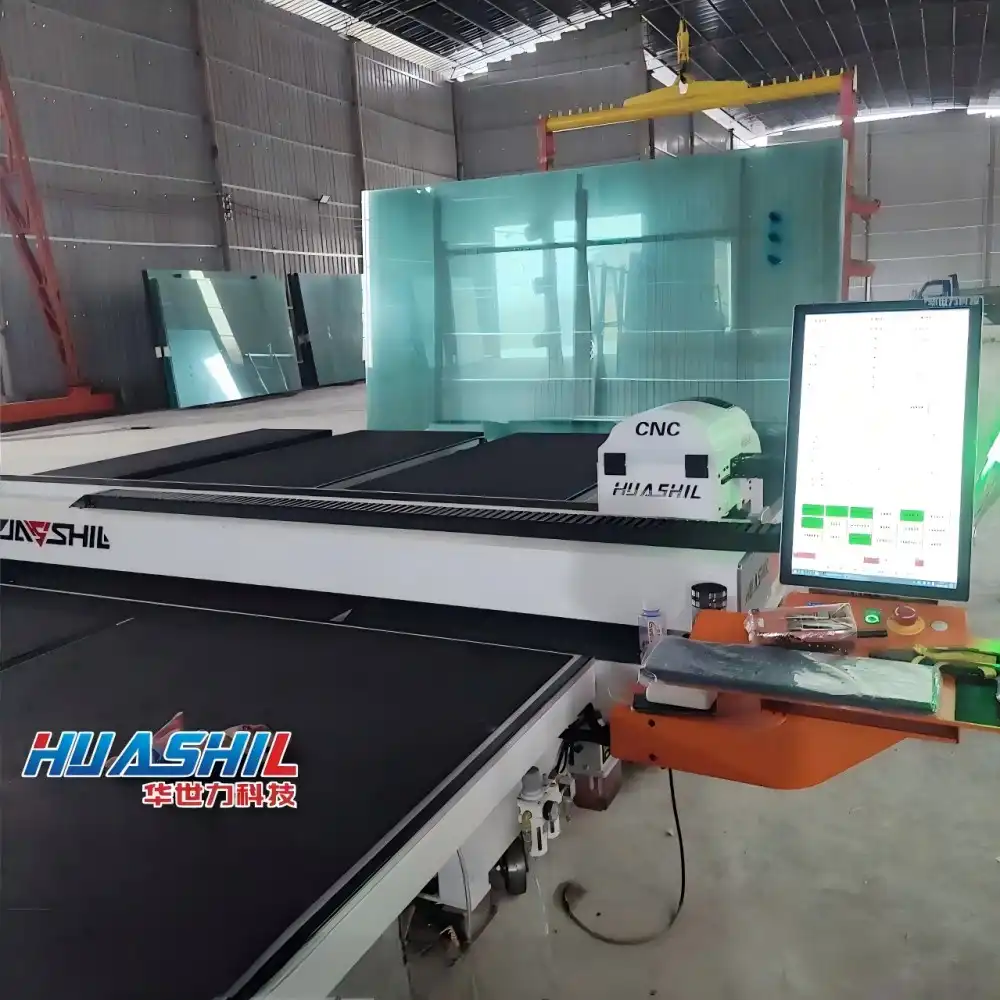
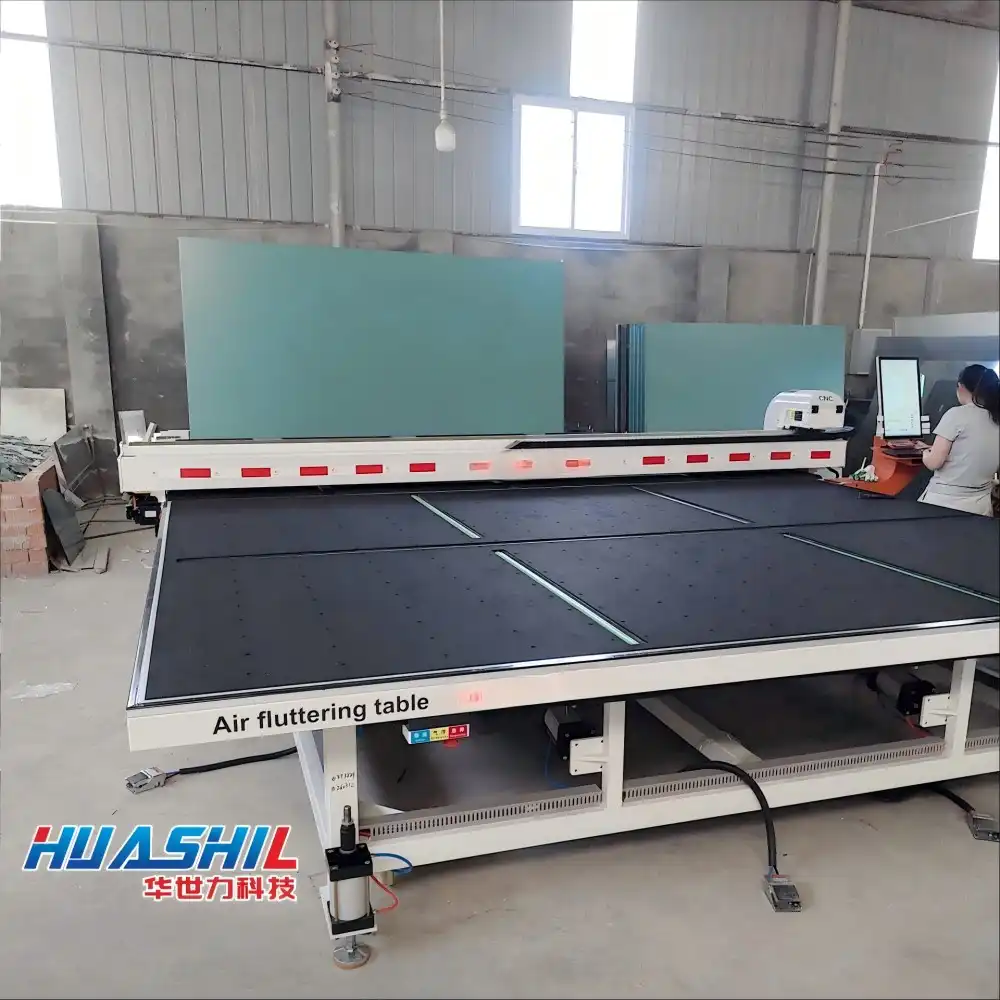
Production managers choosing equipment must grasp how specs affect performance. The HSL-YTJ3829 industrial glass cutting table, with a 3660mm by 2800mm glass handling capability, represents industry standards. This working envelope fits architectural glass sheets and allows for unique applications.
Critical Technical Parameters
Product line variety depends on glass thickness. Equipment that handles 2mm to 19mm thickness suits most architectural, furniture, and automotive applications without numerous pieces of equipment. Cutting quality counts too—0.2mm tolerances guarantee panels fit exactly during installation, eliminating costly field modifications and refunds.
Traditional operators cannot calculate in real time like Optima optimization software. After analyzing orders and material measurements, the system develops cutting patterns that reduce waste while preserving grain direction and visual quality zones. The computing capability affects material prices and industrial throughput.
Automation features distinguish basic cutting tables from integrated manufacturing solutions. The following capabilities define contemporary glass processing equipment:
Automatic loading removes manual material handling, minimizing labor and injury risk and preserving cycle times. The device perfectly aligns glass on the cutting table without human involvement.
Pressure control systems dynamically modify blade pressure dependent on material thickness and composition. This avoids over-scoring and edge chips or under-scoring and bad breaks.
Edge-finding technology locates glass edges with sub-millimeter accuracy using optical sensors or mechanical probes, aligning cutting paths with material limits independent of loading position.
Air flotation systems use a small air cushion underneath glass panels to allow smooth movement over the table top and prevent scratches and surface damage.
Integrated breaking tables utilize controlled force along score lines to produce clean breaks without material transfer.
Remote control capability allows personnel to operate machine operations from ideal viewing locations, enhancing production efficiency and safety.
These characteristics merge to provide a seamless production environment. A single operator may monitor many machines, interfering only for material changes or quality checks. Production flows smoothly with synchronous belt conveyors transporting completed parts to downstream processes.
Compliance and Quality Assurance
International certifications reassure procurement teams about equipment safety and dependability. CE certification verifies European health, safety, and environmental regulations. ISO 9001 accreditation shows the manufacturer has documented design, manufacturing, and service quality management systems.
Maintenance extends equipment life and maintains cutting precision. Daily checks include belt tension, lubricant, and sensor calibration. Wear components are serviced monthly before manufacturing. Comprehensive annual assessments evaluate structural integrity and control system performance. Manufacturers with clear maintenance plans and easily available spare parts prevent unnecessary downtime.
Comparison of Industrial Glass Cutting Tables: Choosing the Right Solution
Plant managers face a difficult choice matrix due to budget and output restrictions. Manual cutting tables are still useful for low-volume specialist work when preparation takes longer than cutting. Despite little capital investment, these methods increase labor costs and material waste.
System Configuration Options
Semi-automatic equipment combines human and automated methods. These hybrid devices cut automatically but require human loading and unloading. They fit medium-volume enterprises with acceptable labor costs and quality consistency that supports automation. Production capacity is 20–40 panels each shift, depending on complexity.
Material storage, loading, computer-controlled cutting, breaking, edge processing, and quality inspection are integrated into fully automated manufacturing lines. The industrial glass cutting table, as the core of these production systems, processes 80–120+ panels every shift with minimum user input. Capital expenditure is three to ten times manual equipment expenses, although multi-shift facilities frequently pay back within 18 to 36 months.
Evaluating Total Cost of Ownership
Purchase price is simply one equipment economics factor. True ownership costs depend on installation, operator training, maintenance contracts, spare parts inventories, and service life. Modern servo-driven systems use 30–40% less energy than hydraulic systems.
Equipment financing impacts cash flow differently. Outright acquisition is the cheapest but takes a lot of funds. Leasing reduces upfront costs, offers tax benefits, and increases flexibility. Compared to new gear, refurbished equipment from credible providers saves 40 to 60%, although warranty coverage and service life must be considered.
How Smart Glass Cutting Tables Enhance Procurement and Manufacturing Efficiency?
Production efficiency improves throughout operations. Cutting patterns calculated by optimization software eliminate trim waste, improving material use. Better nesting algorithms might save 30 to 50 square meters for a factory processing 1000 square meters of glass monthly—material cost reductions that add up over fiscal years.
Revenue increases with cycle time compression. Automation cuts and breaks panels in 60–90 seconds, compared to 5–8 minutes for conventional procedures. This throughput improvement lets manufacturers accept larger orders without adding floor space or shifts.
Integration with Enterprise Systems
Modern cutting tables talk to ERP systems. Manual job input and mistakes are eliminated by downloading production schedules to equipment controllers. Planning systems get real-time status data to change scheduling for bottlenecks and urgent orders.
Operations data trends are analyzed by predictive maintenance to predict component breakdowns. Pressure monitors detect seal degradation, vibration sensors indicate bearing wear, and motion controllers track servo performance drift. Maintenance personnel are notified in advance, allowing scheduled interventions during planned downtime rather than emergency fixes that stop production.
Customization flexibility serves diverse customer requirements without dedicated equipment. Parametric programming enables speedy product specification changes. Manufacturers can produce architectural glass in the morning and bespoke furniture panels in the afternoon with little downtime. This adaptability boosts equipment use and business prospects.
Supplier agreements go beyond equipment delivery. Operators get extensive training in fundamental and advanced duties. Foundations, utilities, and manufacturing line integration are included in installation support. Manufacturers with 24-hour technical assistance and regional replacement parts distribution reduce costly downtime when difficulties emerge.
Future Trends and Strategic Impact of Industrial Glass Cutting Tables in Smart Manufacturing
Glass production is becoming a digital environment thanks to Industry 4.0. Machines now engage in factory-wide data networks that dynamically allocate resources. This link allows possibilities not available with independent gear.
Artificial Intelligence in Quality Control
Using thousands of finished cuts, machine learning algorithms find minor patterns that indicate flaws. The system modifies cutting parameters to prevent quality concerns rather than identify them. Cameras check every item at manufacturing speed, noting abnormalities for human inspection and certifying conforming goods.
As electricity bills rise and environmental laws tighten, energy efficiency influences purchases. Variable-speed drives save power when idling. Material transport kinetic energy is captured via regenerative braking. Effective temperature management and LED lighting reduce facility overhead. Energy consumption data from equipment manufacturers allows accurate overall cost forecasts that account for operating expenditures during the lifespan.
Sustainability measurements go beyond energy. Modern cutting optimization greatly decreases landfill waste. Glass scrap recycling programs reprocess trim. Cutting fluids made of water eliminate toxic waste. Environmental concerns align with LEED certification systems that promote sustainable production.
Supply chain dynamics support nimble production through equipment like the industrial glass cutting table. Just-in-time production reduces inventory costs and meets project deadlines. Flexible automation lets manufacturers accept orders faster, giving them an edge in dynamic marketplaces. Architectural glass markets, where building timetables fluctuate, and orders often arrive, benefit from this adaptability.
Strategic equipment supplier partnerships evolve from transactional to collaborative. Modular upgrade pathways preserve equipment investments as technology progresses. Growing businesses can use scalable systems without replacing them. Technical cooperation programs let clients beta test new features to ensure market needs are met.
Conclusion
Smart manufacturing has automated industrial glass cutting, which was formerly laborious. Modern cutting tables give unmatched efficiency, quality, and flexibility thanks to solid mechanical design, clever software, and extensive automation. Equipment requirements, total cost of ownership, integration capabilities, and supplier alliances are increasingly included in procurement choices. Connected, intelligent manufacturing is increasing, rewarding companies that invest in flexible, upgradeable systems to capitalize on new technologies and market needs.
FAQ
Q1: What glass thickness can modern cutting tables process?
Modern automated cutting techniques cut 2mm ornamental panels to 19mm architectural glazing in one machine. This adaptability reduces the need for numerous specialized systems in most production situations. Thicker glass applications may require equipment with higher cutting head pressure and structural strengthening.
Q2: How does optimization software reduce material waste?
Advanced nesting algorithms develop glass-maximizing cutting patterns based on order requirements and material specifications. When arranging pieces, the program analyzes grain direction, quality zones, and geometric limitations to reduce trim waste. Scrap rates drop from 8-12 percent to 2-4 percent in production facilities, reducing material costs throughout yearly production volumes.
Q3: What differentiates semi-automatic from fully automatic systems?
Semi-automated machinery cuts and breaks, but requires manual loading and unloading. Medium-volume businesses can balance automation and capital investment using these solutions. Fully automated designs handle material handling from storage to cutting, breaking, and downstream transport. High-volume manufacturing settings with several shifts benefit from their maximal throughput.
Partner with HUASHIL for Advanced Glass Cutting Solutions
Shandong Huashil Automation Technology offers manufacturing-tested glass processing automation. The HSL-YTJ3829 cutting table is reliable and has automated loading, intelligent edge recognition, and Optima optimization software. CE and ISO9001 certifications signify our international quality commitment. From specification and installation to operator training and technical assistance, we serve customers throughout ownership. Contact our team at salescathy@sdhuashil.com to discuss how our industrial glass cutting table solutions can boost your productivity and competitiveness.
References
1. Glass Manufacturing Industry Council. (2023). "Automation Trends in Architectural Glass Fabrication." Annual Industry Report on Manufacturing Technology Adoption.
2. Chen, L., & Morrison, R. (2022). "Precision Control Systems in Industrial Glass Processing Equipment." Journal of Manufacturing Systems and Technology, Vol. 45, Issue 3.
3. International Glass Processing Standards Committee. (2023). "Safety and Quality Standards for Automated Glass Cutting Machinery." Technical Standards Publication Series.
4. Bergström, K. (2022). "Energy Efficiency in Modern Glass Manufacturing: A Comparative Analysis." Sustainable Manufacturing Quarterly, Vol. 18, No. 2.
5. Thompson, J., & Valdez, M. (2023). "Industry 4.0 Integration in Glass Fabrication Facilities: Case Studies and Implementation Strategies." Advanced Manufacturing Technology Review.
6. European Glass Processing Association. (2023). "Total Cost of Ownership Models for Automated Glass Cutting Systems." Procurement and Investment Guidelines for Manufacturing Equipment.