




If you manage a glass fabrication plant or run a mid-sized manufacturing operation, you've probably asked this question at least once. A low cost automatic glass cutting line sounds appealing on paper, but is it truly worth the investment? The short answer is yes — when you choose the right model from a reliable manufacturer. Budget-friendly automated cutting lines have matured significantly in recent years. They now deliver real precision, measurable efficiency gains, and a credible return on investment for small to mid-sized operations that can't justify premium-tier pricing.
What Exactly Is an Automatic Glass Cutting Line?
An automatic glass cutting line is a fully integrated processing system that can do everything by itself, from adding raw glass to scoring and breaking it. In contrast to semi-automatic or manual setups, a fully automated line syncs up each step with little to no help from a person. This cuts down on labor costs and mistakes.
Core Components You Should Expect
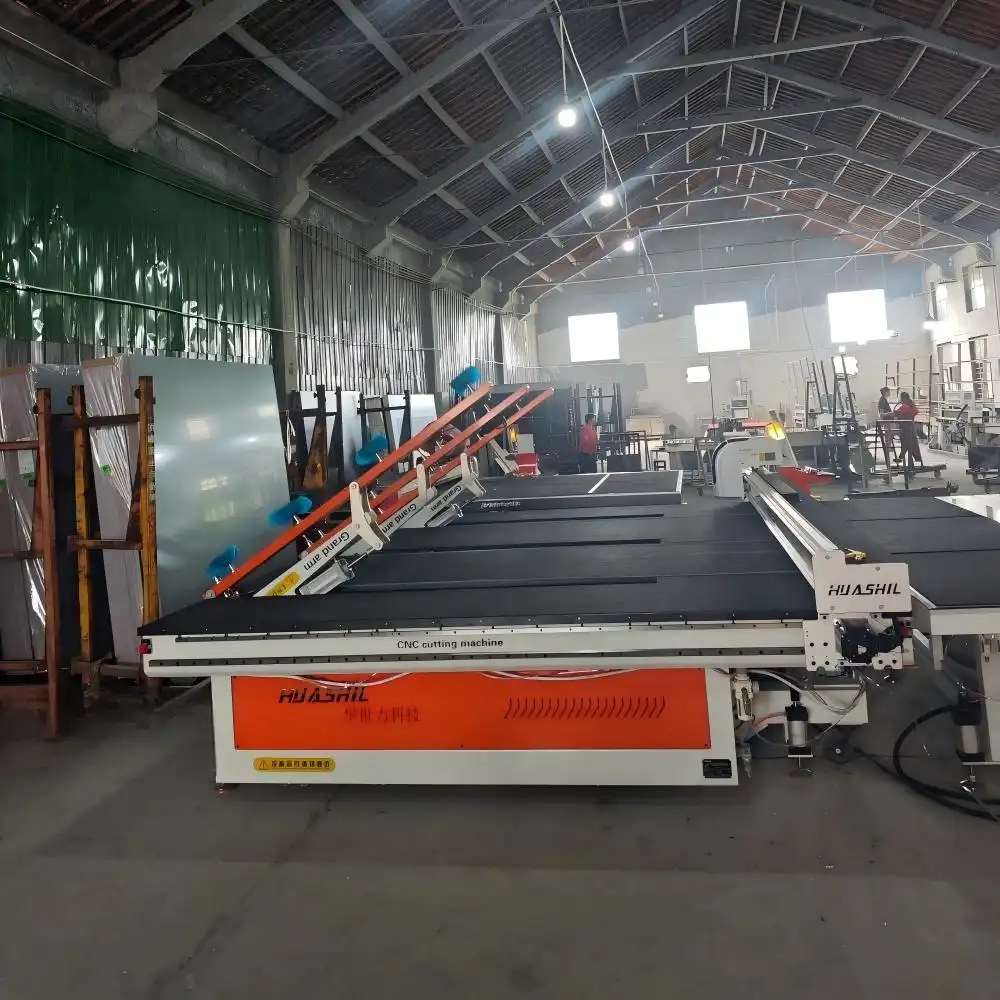
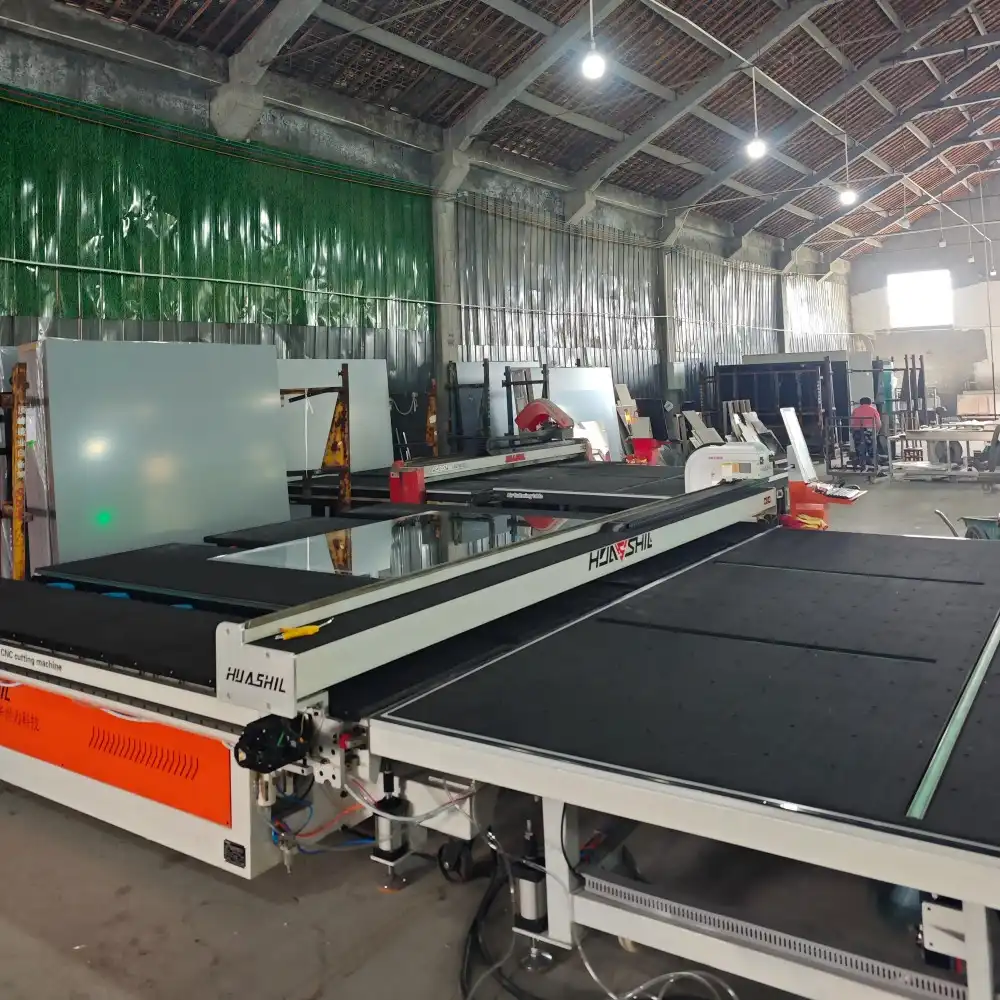
A well-thought-out automatic line usually has three useful tables: one for adding, one for cutting, and one for breaking. Each stage does a certain job. Sheets of raw glass are fed into the machine by the filling table. The cutting table makes cuts in the glass based on measurements that have been set. The breaking table then neatly divides the panels that have been marked. This three-table design is the standard for automated glass processing in the mid-price range.
Understanding the HSL-LSX3829: A Practical Budget Benchmark
The HSL-LSX3829 from Huashil is a model that should be looked at in more detail. Huashil is a high-tech manufacturing company based in Shandong, China, that has a lot of experience exporting to North America and other places around the world.
The HSL-LSX3829 has three tables for loading, cutting, and breaking glass. It can handle glass up to 3660 × 2800 mm in size, which is big enough for most building and furniture glass uses in the U.S. It uses Optima optimization software, which is a well-known cutting layout program that cuts down on waste and raises the yield per sheet.
Here are some of the most important technical details about this model:
- Above- or underground rail configuration — customers can choose based on their facility layout, which gives the line genuine installation flexibility.
- 2+2 station setup — the station count is adjustable, allowing the line to match different production rhythms or shift patterns.
- Three grand arms on each side — this structural design ensures stable glass transfer across the full working width, reducing misalignment during sheet movement.
- Cutting speed up to 150 m/min — this throughput level is competitive with machines priced significantly higher.
- Cutting accuracy within ±0.25 mm — a tolerance level that satisfies both architectural glazing and Low-E glass processing requirements.
These benefits fix real problems for businesses. When plants that used to score by hand switch to a low cost automatic glass cutting line at this specification level, they often see a big drop in waste and faster cycle times. If glass makers want to improve their operations, these technical features can help with problems like inconsistent cut quality, a need for a lot of work, and wasteful material use.
How Does It Compare to Manual and Semi-Automatic Alternatives?
Manual Cutting: Still Viable for Low Volume Only
Cutting glass by hand is still possible for very small amounts of custom work, but it doesn't work well when the job needs to be done on a large scale. Labor costs add up quickly, and mistakes made by people cause quality problems that cost a lot when working with specialty or treated glass like Low-E panels.
Semi-Automatic Lines: A Middle Ground With Limitations
The score step is automated in semi-automatic systems, but the loading and breaking steps still need to be done by hand. They cost less up front, but they slow down your work and limit your output. A semi-automatic line usually causes more trouble than it solves for operations that handle more than a few hundred square meters per day.
Those slowdowns are gone in all three stages of a fully automated line like the HSL-LSX3829. Over a 12- to 24-month period, the economics of a well-specified budget automated line become appealing when you take into account the total cost of ownership, which includes labor, scrap rates, and upkeep.
What to Look for When Sourcing a Budget Automated Cutting Line
When buying capital tools, choices need to be made based on more than just the price tag. Several things decide whether or not a spending line has long-term value.
As important as the machine specs are, are the reliability of the supplier and the support provided after the sale. Look for companies that have a history of exporting, clear guarantee terms, and easy access to extra parts. Downtime on a production line costs money, and you don't want to find out about the availability of spare parts after the line is up and running.
Checking the Optima software compatibility is a good idea when considering a low cost automatic glass cutting line. Software for optimizing cutting has a direct effect on the yield of materials. The HSL-LSX3829 comes with Optima integration, which is a big plus because obscure or proprietary software can cause long-term dependencies that make it hard to add more products to the line.
For installers and curtain wall fabricators who need non-standard designs, customization and OEM capability are becoming more and more important. Huashil can handle both OEM and ODM requests, which gives purchasing managers options when choosing lines for specific projects.
Before you choose a provider, make sure you get detailed documentation, references for installation cases, and a clear outline of how they will help with commissioning. These things tell you a lot about how seriously a company takes relationships after the sale.
When evaluating any supplier, request technical documentation, installation case references, and a clear outline of commissioning support. These materials tell you a great deal about how seriously a manufacturer treats post-sale relationships.
Performance, Maintenance, and Long-Term Efficiency
How long an operation lasts depends a lot on how well it is maintained. Budget automated lines are not necessarily less durable than high-end ones, but they do need regular maintenance. Train tracks, whether they are above or below ground, need to be checked from time to time to make sure they are straight and free of waste. Cutting heads need to be oiled with fluid, and the timing of the conveyor should be checked every three months.
Each side of the HSL-LSX3829 has a three-arm transfer mechanism that lowers mechanical stress during glass movement. This helps keep guide components from wearing out as quickly. When it comes to upkeep and long-term dependability, this design choice has a direct effect.
Energy consumption standards for this type of machine are usually good. There is less downtime and waste when lines are automated because they don't have to be handled by hand. This saves energy per unit of output.
Future Viability: Why Budget Automation Is Not a Compromise
All price ranges in the glass processing business are going toward more automation. Monitoring, remote diagnosis, and AI-assisted cutting plan optimization that are made possible by the Internet of Things are no longer just features of high-end systems. To meet the growing needs of small and medium-sized producers in the U.S. and around the world, manufacturers like Huashil are adding these features to their mid-range lines.
The truth about the market is simple: the cost of labor in making glass keeps going up, and clients in the building and architecture industries are more picky than ever about quality. Even if it's not very expensive, an automatic cutting line can handle both forces at the same time. Now the question is not whether to automate or not, but which automated solution offers the best mix of features, dependability, and price.
Conclusion
A cheap automatic glass cutting line is worth it if the specs match the amount of glass you need to cut and the supplier helps you through setup and beyond. The Huashil HSL-LSX3829 is a low cost automatic glass cutting line that shows cheap tools can provide professional-level cutting accuracy, flexible setup, and strong software integration without needing a large initial investment. Fabricators, window plants, and curtain wall installers in the U.S. who are planning their next equipment cycle should give this area a lot of thought.
FAQ
1. How reliable are budget automated glass cutting lines in high-volume production?
Price alone doesn't determine how reliable something is; build quality and maintenance do. The HSL-LSX3829 has industrial-grade parts, the option of above- or underground rail, and a three-arm transfer mechanism on each side to make sure it works smoothly even when it's under a lot of stress. Mid-range automated lines can reliably handle high-volume production as long as they get regular maintenance and are properly calibrated.
2. What maintenance challenges should I anticipate?
The most typical problems are with the alignment of the rails, the amount of fluid in the cutting heads, and the timing of the conveyors. Inspections that are scheduled every 250 to 500 hours of operation usually keep unexpected downtime from happening.
3. How do I know if this machine fits my production needs?
Huashil offers technical support and spare parts to make maintenance easy.
Get Your Custom Quote from HUASHIL — Trusted Low-Cost Automatic Glass Cutting Line Manufacturer
HUASHIL brings to every project years of experience making things and a track record of exporting. The HSL-LSX3829 is a low cost automatic glass cutting line with professional-level performance at an affordable price. It comes with full after-sales support from Huashil, the ability to perform OEM/ODM work, and the ability to integrate Optima software. Reach out today whether you're building a new plant or improving an old line. You can email our team at salescathy@sdhuashil.com to get a technical datasheet and a customized price.
References
1. Glass Processing Technology: Automation and Precision in Modern Manufacturing — Glass International, 2022.
2. Total Cost of Ownership in Industrial Machinery Procurement — Manufacturing Engineering Magazine, 2021.
3. Trends in Architectural Glass Fabrication and Processing Equipment — USGlass Magazine, 2023.
4. Energy Efficiency in Glass Manufacturing Operations — Glass Worldwide, 2022.
5. B2B Capital Equipment Procurement: Decision Frameworks for Plant Managers — Industrial Equipment News, 2023.
6. Automation Adoption Among Small and Mid-Sized Glass Fabricators — Glass Magazine, 2023.