




To get the most out of special shape sintered stone cutting machines for output, you need a plan that matches precise technology with operational efficiency. These high-tech systems let fabricators work with sintered stone materials that have complex geometries very precisely. This changes how architectural glass plants, curtain wall integrators, and furniture manufacturers handle custom projects. Modern machines cut down on waste by using automatic controls and smart cutting routines. They also speed up production cycles. Our work with global manufacturers shows that investing in the right machinery leads to measurable improvements in throughput, quality consistency, and long-term profitability in a wide range of industrial settings.
Understanding Special Shape Sintered Stone Cutting Machines
Defining Precision Cutting Technology for Complex Geometries
An important part of industrial manufacturing is precision cutting tools made for irregular sintered stone shapes. These systems are different from regular linear cutters because they can handle curved profiles, radius cuts, and custom patterns that are often needed in architectural and decorative applications. The technology meets the needs of the market for personalised countertops, one-of-a-kind furniture pieces, and building parts that can't be made with normal rectangular cuts.
Key Classifications: Electric, Pneumatic, and Cooling Systems
Different types of power sources and cooling methods are used on industrial cutting platforms to work in a range of production environments. Electric drive systems offer steady power for ongoing use, while pneumatic options are useful in dangerous areas that need spark-free operation. When compared to dry cutting, water-cooled configurations greatly increase tool life by lowering thermal stress on both blades and workpieces. Businesses that want to keep things clean and handle their trash easily like dry cutting technologies, but they usually need better dust extraction systems.
Material Compatibility and Machine Capabilities
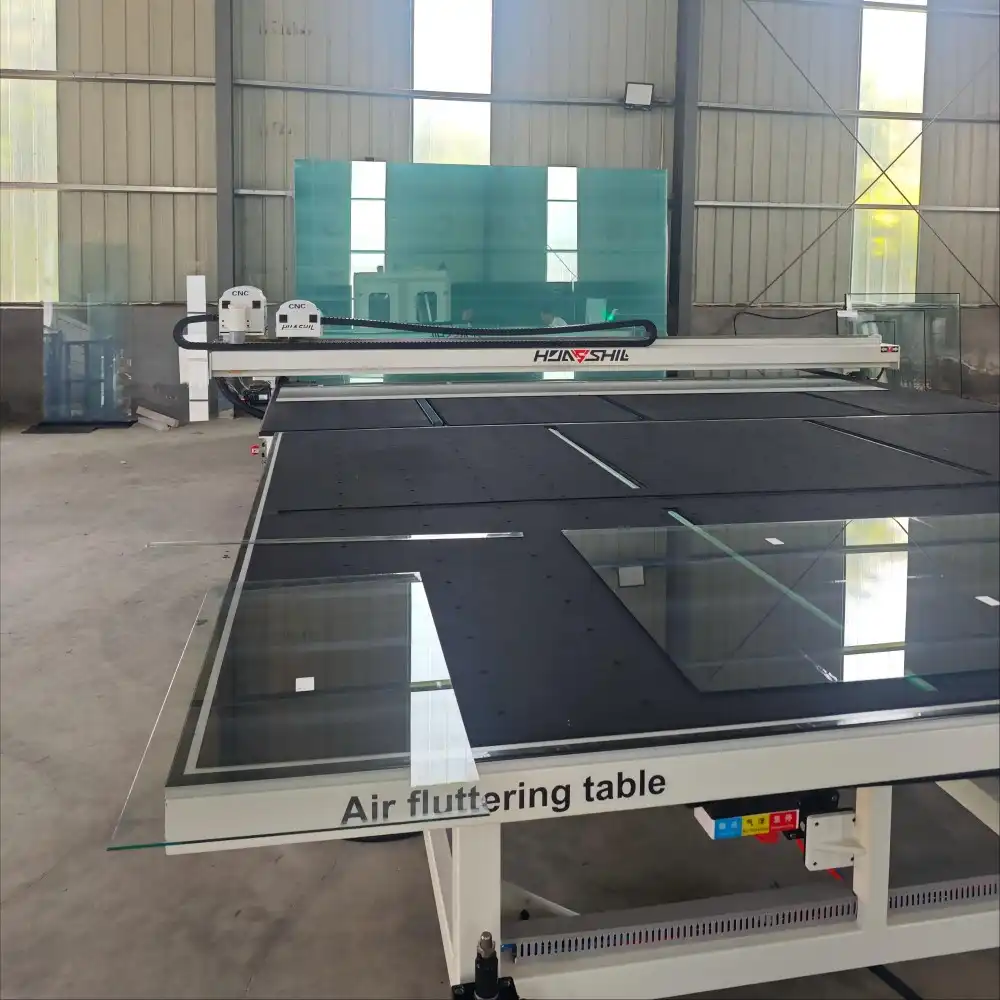
Understanding the properties of a material has a huge impact on the choice of equipment. Sintered stone materials are about as hard as natural granite, so they need tools with diamonds embedded in them and strong cutting forces. This type, HSL-CNC3616, can handle glass thicknesses ranging from 3 to 12 mm and workpieces up to 3600x1600 mm. The Optima optimisation software figures out the best cutting paths to get the most out of each slab while minimising waste. This has a direct effect on your cost per finished unit.
Overcoming Challenges in Sintered Stone Cutting: Common Issues and Solutions
Identifying Equipment Wear and Blade Degradation Patterns
When working with products that have a lot of silica, production managers often have to deal with tools that wear out faster on special shape sintered stone cutting machines. Blade decline shows up as more chipping at the edges of cuts, higher motor current draw, and less accurate measurements. By keeping an eye on these indicators, replacements can be planned ahead of time, before quality problems show up. When coolant flow rates drop below what the maker recommends, thermal cycling during long cutting runs can cause blade segments to come loose on special-shape sintered stone cutting machines.
Practical Troubleshooting for Precision Maintenance
Cutting accuracy stays within acceptable ranges thanks to regular calibration procedures. The HSL-CNC3616's automatic edge-finding function gets rid of measurement mistakes made by hand that add up over many cuts. The air flotation system lowers friction while the workpiece is being placed, which keeps the surface from getting scratches that ruin the look of the finished product. Our service data shows that 80% of typical operating breaks can be avoided by using daily inspection checklists to check the coolant concentration, belt tension, and lubrication of the guide rails.
Safety Protocols and Operator Protection Standards
Comprehensive safety standards keep people safe while keeping machines running. To keep people from getting hurt when something unexpected happens, emergency stop circuits must react within 200 milliseconds. When protective barriers are still open, blade guard interlocks stop operation. The 360-degree remote control walking feature lets operators keep safe distances during automated cycles. Our equipment has CE and ISO9001 certifications that show it meets international safety standards that procurement teams need for liability management.
Comparing Special Shape Sintered Stone Cutting Machines for Strategic Procurement
Evaluating 2024 Market Leaders and Innovation Trends
In today's competitive market, makers set themselves apart by how well they integrate CNC and how sophisticated their software is. Leaders stress predictive maintenance programs that look at sound patterns to predict when parts will break before they do. When compared to older tools, energy-efficient motor designs use 25–30% less electricity, which has a direct effect on figuring out the total cost of ownership. Environmentally friendly technologies, like closed-loop coolant recycling and low-emission dust collection systems, help factories in the U.S. follow the rules that are becoming more and more common.
Decision Criteria: Efficiency, Cost, and Configuration Options
When choosing cutting equipment, engineering managers have to think about a lot of different things. Processing speed directly impacts output, but too high of feed rates can damage edge quality, necessitating extra finishing steps. The cost analysis has to include things like installation costs, the time it takes to train operators, and how often they are expected to need maintenance after the initial purchase price. In places with stable power, electric systems tend to be cheaper to run than pneumatic ones. On the other hand, the higher quality of the surface finish on high-value building projects makes water cooling systems worth their extra complexity.
Price and Value Analysis for Lifecycle Cost Optimization
A full financial analysis looks at how long the equipment will last, which is usually between 10 and 15 years with normal industrial use. About 40% of the total cost of ownership goes to the initial capital investment. The rest goes to consumables, maintenance, and downtime. Automatic pressure control machines make blades last longer by changing the cutting force based on the different densities of materials in different slabs. This intelligence cuts the cost of tools by 35% a year in our customers' installations, which greatly speeds up the time it takes to get a return on investment.
Procurement Strategies for Special Shape Sintered Stone Cutting Machines
Sourcing Reliable Global Suppliers and Authorized Dealers
To find reliable manufacturers of special shape sintered stone cutting machines, you need to check their production certifications and their ability to provide help after the work is complete. Shandong Huashil Automation Technology combines its research and development, manufacturing, and foreign sales activities. This makes sure that parts are always available and that professional support is always available throughout the lifecycles of equipment. Direct relationships with manufacturers get rid of the markups that distributors add, and they also give you access to customisation services that standard catalogues can't offer. When engineering teams are making specifications for special-shaped sintered stone cutting machines, they visit production facilities to get a first-hand look at how quality control works and how much can be made.
Custom Orders, Bulk Purchases, and Financing Solutions
Large projects benefit from volume pricing structures that lower the cost per unit for installations with more than one machine. Custom engineering services change standard platforms to fit the needs of a specific production line, such as by adding special loading systems or connecting them to existing automation systems. For expansions that need a lot of money, having flexible payment terms, such as staged billing tied to project milestones, makes managing cash flow easier. Manufacturers take on the upkeep risk with extended warranty plans. This gives budget predictability, which is important for financial management teams during multi-year planning processes.
Logistics Best Practices for International Heavy Machinery Transactions
International shipping of fine equipment requires special knowledge of how to handle it and how to fill out the paperwork. Using the right packaging keeps fragile linear guides and optical parts from getting damaged during shipping, and controlling humidity keeps electronic assemblies safe during ocean freight. Customs delays that mess up installation plans can be avoided by knowing how to classify import duties and what a certificate of origin says. When people buy and sell things across international borders, letter of credit payment arrangements protect both parties by setting clear performance goals that release funds as contractual obligations are met.
Maximizing Operational Efficiency: Advanced Techniques and Technologies
Digital Controls and CNC Integration for Enhanced Accuracy
Cutting jobs used to be done by hand, but now, with modern computer systems, they can be done over and over again. Our CNC platform can store an endless number of cutting programs, which lets us quickly switch between product designs without having to make any setup changes by hand. Digital servo drives keep the placement accuracy within ±0.1mm across the whole work area. This makes sure that the results are the same for all operators, no matter how experienced they are. Real-time tracking shows the cutting parameters, which lets managers see if performance is off and fix the problem before the scrap rate goes up.
Automation Features Reducing Labor Costs and Production Cycles
Smart automation features cut down on the need for direct labour while speeding up the order fulfilment process. Without having to move the slabs by hand, automatic loading systems take them from storage racks and place them where they will be cut. The built-in air flotation system makes it safe and easy for a single person to move heavy objects over 500 kg. During unmanned shifts, batch processing modes run multiple cutting programs one after the other. This effectively doubles production without raising labour costs by the same amount.
Continuous Improvement and Operator Training Programs
When applied to stone fabrication, lean manufacturing principles stress getting rid of waste and making processes more consistent for sintered stone cutting machine operations. Comprehensive training programs teach operators how to improve programs, do preventative maintenance, and check the quality of work. Cross-training programs make sure that work keeps going even when employees aren't there, and they also help the company learn more. Performance indicators like cycle time, first-pass yield, and machine utilisation rates give objective feedback that leads to small changes that add up to yearly productivity gains of about 20% or more in committed operations using sintered stone cutting machine equipment.
Conclusion
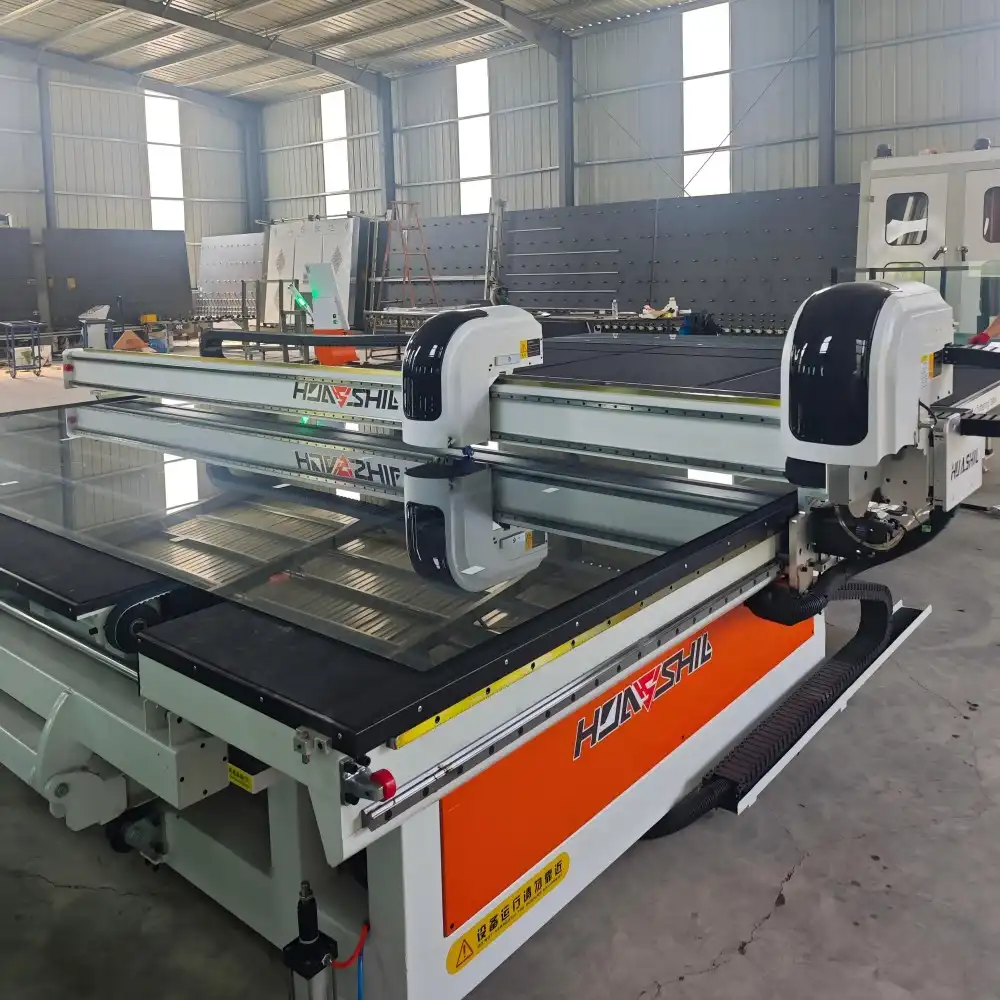
To get the most out of your equipment purchases and operating success when making sintered stone, you need to be as productive as possible. With special shape cutting technology, manufacturers can now take on high-value custom projects that were once thought to be too hard or expensive to make a profit on. The HSL-CNC3616 platform has a reliable and accurate mechanical design that works well with smart software optimisation. This gives production leaders what they need: accuracy and dependability. As unique geometric shapes and custom internal elements become more popular in architecture, makers with advanced cutting skills stay ahead of the competition in markets that are changing quickly and where standardisation no longer meets customer needs.
Frequently Asked Questions About Sintered Stone Cutting Equipment
1. What maintenance frequency do special-shaped cutting machines require?
Most operational problems can be avoided by checking the coolant levels, the condition of the blades, and the cleanliness of the guide rails every day. Every week, calibration checks make sure that the cutting accuracy stays within the parameters. Once a month, deep maintenance checks look at electrical connections and bearing wear. Every year, the plant replaces parts and recalibrates the whole system, which usually takes two to three days of planned downtime.
2. How do I choose between dry and water-cooled cutting technologies?
Systems that are cooled by water have better edge quality and longer blade life, which makes them perfect for high-precision building tasks. When dry cutting, operations try to keep cleanup to a minimum and make dealing with waste as easy as possible, but dust extraction becomes very important. This choice is heavily affected by the thickness of the material, the amount that will be produced, and the facility's infrastructure.
3. Are eco-friendly machine options available for sustainability-focused operations?
Modern machines have motors that use less energy, coolant systems that can be recycled, and designs that put out less pollution to meet environmental standards. Our production methods put a lot of emphasis on responsible material sources and resource conservation. This helps customers who are trying to get green building certifications and meet their own business sustainability goals.
Partner with HUASHIL: Your Trusted Special Shape Sintered Stone Cutting Machines Manufacturer
Choosing tools that give you steady performance and long-term value is the first step to improving your production. HUASHIL is a leader in high-tech cutting solutions, backed by decades of engineering know-how and manufacturing experience from around the world. Our HSL-CNC3616 model is the result of years of continuous improvement. It has full safety certifications that procurement teams need, automatic pressure control, and smart edge detection. As a well-known provider of special shape sintered stone cutting machines, we offer full technical documentation, quick after-sales support, and the ability to make changes that meet your specific operational needs. Get in touch with our team at salescathy@sdhuashil.com to talk about how our technology can change the way you make things and set your business up to stay ahead in tough industrial markets.
References
1. Stone Fabrication Technology Institute. Advanced Cutting Systems for Engineered Stone Materials. Technical Publication Series, 2023.
2. Manufacturing Engineering Society. Precision Machining of High-Hardness Composite Materials. Industrial Processes Journal, Volume 47, 2024.
3. International Association of Stone Professionals. Automation Integration in Modern Stone Fabrication Facilities. Industry Standards Manual, 2023.
4. American National Standards Institute. Safety Requirements for Stone Processing Machinery. ANSI Technical Standards B11.22, 2024.
5. Materials Research Council. Thermal Management in Industrial Cutting Operations. Applied Manufacturing Science Quarterly, 2023.
6. National Institute of Manufacturing Technologies. Lifecycle Cost Analysis for Capital Equipment Investment Decisions. Procurement Best Practices Guide, 2024.