




Modern mobile glass cutter automation technologies are a big step up from manual scoring tools. They combine CNC accuracy, smart software optimization, and remote operating control to completely change the way glass is made. Mobile glass cutters that are now automated have real-time edge recognition, programmable cutting paths, and wireless order systems that reduce human mistakes while increasing output. These new ideas directly meet the main needs of architectural glass plants, curtain wall installers, and furniture makers who want scalable, reliable solutions that cut down on the need for manual labor and make cutting more consistent across a range of glass types and production volumes.
Understanding Mobile Glass Cutter Automation
Defining Automated Glass Cutting Systems
Automated glass cutting equipment uses both mechanical accuracy and digital intelligence to cut in complex patterns without the need for constant human input. Automated systems use servo motors, linear guides, and computer-controlled scoring heads to achieve repeated accuracy. Handheld human tools, on the other hand, depend on the skill of the person using them. The "mobile" part could mean that the cutter can move across big sheets of glass or that its small size lets it be used at different production sites. When machines are automated, workers' main jobs change from cutting directly to overseeing how well machines are working and making sure that work flows smoothly.
Key Benefits for Industrial Fabrication
When production managers look at investments in technology, they usually look at three measurable outcomes: increased output, consistent quality, and lower labor costs. Automated cutting systems can cut glass sheets faster than people can because they don't have to pause, redo work, or make mistakes because of tiredness. When cutting tolerances hit ±0.1mm accuracy across thousands of pieces, quality consistency goes up a lot. This makes it easier to put windows or curtain walls without any problems with fitting. Labor costs go down when you lay off workers and move skilled workers to more valuable tasks like quality control and machine supervision instead of doing repetitive cutting tasks.
Scalability Across Glass Types and Project Sizes
Modern automatic cuts can work with a wide range of glass types, from decorative pieces that are only 2 mm thick to 19 mm thick architectural glazing, without needing to be set up in a lot of different ways. This adaptability is especially helpful for makers who work with a lot of different types of customers at once, like those who make shower doors, furniture parts, and building surfaces all in the same facility. Being able to quickly switch between cutting programs lets smaller makers compete for different kinds of projects without having to keep separate machines for each type of glass thickness or pattern complexity. Software-driven optimization improves material utilization even more by figuring out the best cutting patterns. This lowers waste percentages, which directly affects profits in buying situations where many companies are competing.
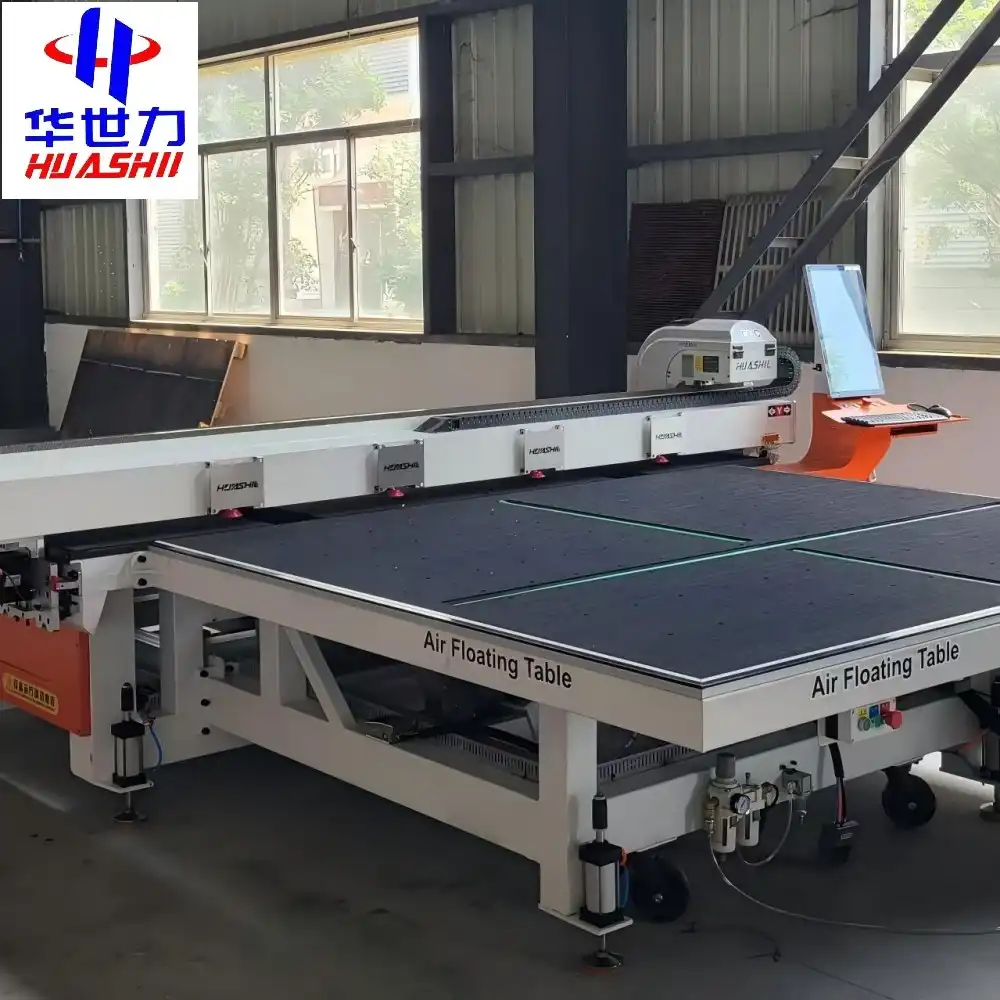
Evolution of Mobile Glass Cutter Technologies
From Manual Tools to CNC Precision
In the past, cutting glass was done by hand with carbide-wheel cutters, which required a lot of training and gave different results based on the person's skill level. When bridge cutters became partially automatic, fixed cutting tables with controlled scoring heads were added. This made the process more consistent, but it limited the ability to work with odd forms or on-site. CNC-controlled mobile systems of today are the third stage of development; they combine customizable accuracy with the ability to move around freely in space, exemplified by the mobile glass cutter. The digital motor control in these machines makes it possible to control the scoring pressure, cutting speed, and tool positioning in a way that humans could not do during eight-hour work shifts.
Integration of IoT Connectivity and Smart Sensors
Modern automated glass cutters have sensor networks that constantly check the pressure on the cutting head, the position of the glass surface, and the equipment's operating state. Edge-finding sensors instantly find the edges of the glass and change the cutting paths in real time. This gets rid of setting mistakes that used to waste material. IoT connection makes remote diagnosis possible, which lets equipment manufacturers look at data about how well machines are working and figure out what repairs they need to do before they break. This proactive method cuts down on unplanned downtime, which is a big problem in high-volume production settings where machine breakdowns directly lead to lost income and late project deliveries.
Software Optimization and Path Planning
Cutting optimization software like Optima looks at new orders, figures out the best nested patterns to make the best use of raw materials, and creates efficient tool paths that cut down on cutting time. The software looks at how the blades wear and suggests when to rotate or change the tools so that the quality of the cuts stays high throughout production runs. Path planning algorithms cut down on movement that isn't needed for cutting, which lowers cycle time per piece and increases the mechanical life of equipment by making it run more smoothly. These software features give a measured return on investment (ROI) through material savings and increased throughput. When engineering managers look at buying new equipment, they should ask for thorough documentation of the optimization software features and proof of performance in the real world.
Maintenance and Safety Best Practices for Automated Mobile Glass Cutters
Preventive Maintenance Protocols
Automated equipment for cutting glass needs to be maintained on a regular basis so that it stays accurate and reliable over many years of use. Every day, maintenance tasks include clearing glass chips from cutting surfaces, checking the state of the scoring wheels, and making sure the air system pressure levels are correct. As part of weekly processes, linear guide systems need to be oiled, sensor alignment needs to be checked, and the usefulness of automated pressure control needs to be reviewed. Every month, full checks should be done to record patterns of mechanical wear, keep software up to date with the latest firmware versions, and adjust edge-finding sensors to keep their accuracy. Facilities that don't have their own maintenance staff should arrange service contracts with equipment providers that spell out reaction times, promises for parts availability, and regular preventative inspections that work with production plans.
Automated Safety Features and Risk Mitigation
Modern automatic cuts have many safety features that keep workers safe and keep equipment from getting damaged. When workers see danger, emergency stop devices let them immediately turn off equipment from any control point. When built-in safety sensors spot people in motion-sensitive areas of equipment, activities are automatically stopped until clear conditions return. Automated pressure control systems stop people from using too much force, which could break glass or hurt cutting heads. The walking feature on the remote control lets workers change the position of equipment without going into potentially dangerous glass-handling areas. Even though these automated safety features are in place, full operator training is still necessary. Workers need to know what to do in an emergency, how to spot strange equipment behavior that could mean it's about to break, and how to follow lockout/tagout steps during maintenance.
Regulatory Compliance and Documentation Requirements
Industrial glass production sites are regulated to make sure they follow safety rules and equipment certifications. Managers of procurement should make sure that automatic cutting equipment has the right safety standards for their area when selecting a mobile glass cutter. For example, in Europe, equipment should have CE marking, and in the US, it should have OSHA compliance. Packages of papers for equipment should include owner's manuals, upkeep plans, safety rules, and certification paperwork that can be used for government checks. Facilities that want to get ISO certification or take part in contractor safety training programs need all of this information to show that their equipment is safe and under their control. Suppliers who offer full paperwork packages and user training services add a lot of value to the equipment they sell, making it easier for facilities to follow the rules and cutting down on the time it takes to start production for mobile glass cutter.
How to Buy Automated Mobile Glass Cutters: A B2B Guide
Defining Operational Requirements
For equipment buying to go well, output needs must be clearly defined before general descriptions of capabilities can be used. Engineering teams should keep track of current production numbers by type and thickness of glass, find production bottlenecks that are stopping output growth, and make predictions about future capacity needs based on plans for business growth. The analysis should identify the largest glass sizes that can be handled, the complexity of the usual cutting pattern, the needed throughput rates, and the places on the current production line where they can be integrated. A clear recording of requirements lets providers suggest solutions that are the right size instead of over-specifying expensive features that aren't used. Detailed specs also make competitive bidding easier by setting concrete evaluation criteria that different suppliers can meet with similar bids.
Evaluating Supplier Credentials and Support Infrastructure
Not only does the quality of the machine design affect how reliable it is, but so does the security and help of the supplier. Purchasing teams should look into a supplier's past business activities, the licenses of their factories, and signs of financial security that point to a long-term future. Checking with past customers for references can give you information about how the equipment really works, how quickly you can get service, and whether or not parts are available that may not be fully explained in marketing materials. Response times for technical support and emergency repairs are affected by how close seller service centers are to each other. For example, domestic suppliers often help faster than foreign vendors, even if the equipment costs more. As you negotiate a contract, you should make it clear what the insurance covers, how long you have to respond, what training is included, and what tools are guaranteed to be available. If you don't follow through, you should be fined.
Balancing Price Against Total Value
When you add up the total cost of ownership, which includes installation costs, operator training time, ongoing upkeep costs, and changes in output, the cheapest equipment rarely gives you the best value. It's possible that a slightly more expensive system with better cutting accuracy could lower repair costs enough to quickly cover the higher original investment. Full warranty coverage and quick technical help keep output from stopping, which costs a lot and quickly outweighs any savings on the purchase price. Flexible customization options let equipment adapt to changing production needs without having to be replaced completely. Buying systems should give these factors the right amount of weight—the price of the item might only make up 40% of the total value rating, while reliability, support quality, and the ability to upgrade all play an equal role in long-term equipment happiness and practical success.
Advanced Automation Features in Industrial Glass Cutting Equipment
The HSL-CNC2721 Mobile Glass Cutting Solution
For large-scale automatic glass cutting, you need strong tools that can keep their accuracy over long production runs and work with different types of glass. The HSL-CNC2721 automated cutting table is a great example of how modern technology can be used together. It can handle glass pieces up to 2700mm x 2100mm and a width of 2mm to 19mm. This size capacity is enough for most architectural windows, curtain wall panels, and furniture parts without having to cut up the material in a way that hurts the structure or looks bad. Because it has a large cutting area and can handle a wide range of thicknesses, this type of equipment lets fabricators serve more than one market section without having to keep up with multiple different systems, especially when integrated with a mobile glass cutter.
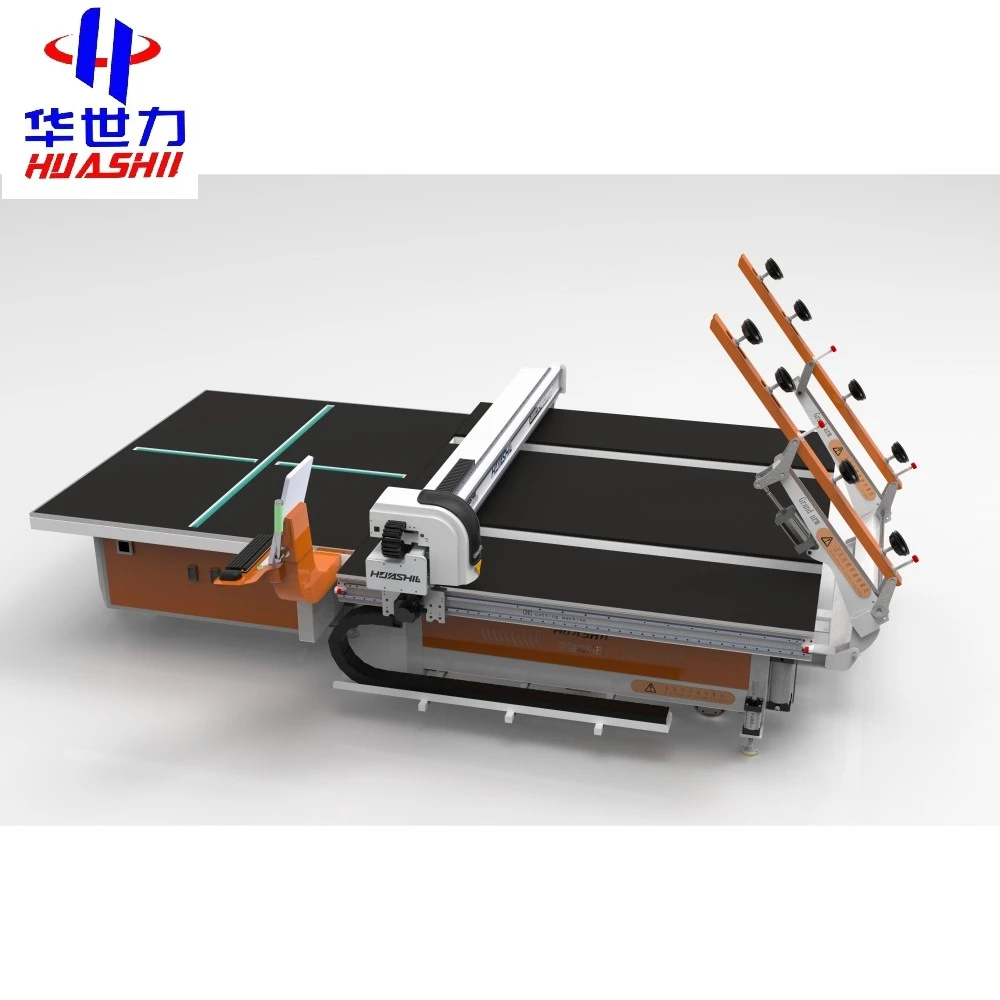
Several built-in robotic features work together to improve cutting performance, which makes operations more efficient. Automatic pressure control systems constantly change the scoring force based on real-time thickness recognition. This stops both too little scoring, which can lead to incorrect breaking, and too much force, which could cause micro-cracks that weaken the final piece. The automatic edge-finding function gets rid of the need for time-consuming human setting steps by figuring out where the glass sheet is placed and then changing the cutting programs automatically. This feature comes in handy when working with mixed batch orders that have sheets of different sizes because it lets you switch between jobs quickly without having to wait for operators to recalibrate. The air flotation system holds big sheets of glass while they are being placed and cut. This cuts down on the need for manual handling that could cause damage or harm to workers and makes it easier for the material to move smoothly across the cutting surface.
Remote operational control is a big step forward in worker safety and output freedom. The ability to walk around with a remote control in all 360 degrees lets operators exactly place equipment from safe distances. This is especially useful when working with large architectural glass panels in crowded production areas. Wireless control gets rid of the trip dangers that come with tethered cords and lets you operate equipment from the best viewing points, no matter how the building is set up. This advantage of portability is especially useful in factories that make large curtain wall panels or custom architectural glass, where equipment often needs to be moved to fit different-sized workpieces. The remote control interface works with the Optima optimization software, so workers can choose cutting programs, see real-time progress, and change settings during production runs without having to physically go to the control panel.
One of the main benefits of automatic cutting systems is that they guarantee quality through accuracy. It is impossible to get the same level of accuracy with human methods, but the HSL-CNC2721 keeps cutting accuracy within ±0.1mm error across the whole cutting surface. This accuracy directly leads to fewer fitting issues when windows are put together, tighter tolerances when curtain wall panels are installed, and better overall quality in furniture where gaps show where the cutting was done incorrectly. Aside from improving the quality of the finished product, precision also helps make better use of the materials used. For example, accurate cutting lowers safety margins, which allows better nesting patterns to get more finished pieces from each raw glass sheet. The material savings from thousands of cuts add up to real cost cuts that speed up the equipment's return on investment (ROI) beyond the initial labor savings predictions.
Regulatory compliance licenses are very important for buying teams that have to deal with foreign trade rules and safety rules at work. CE approval shows that the design of the equipment meets European standards for health, safety, and environmental protection. This makes it easier to sell the equipment in the EU and shows that strict engineering requirements are being met. If a company has ISO9001 certification, it means that its manufacturing processes follow written quality management systems that include consistent production standards and steps for ongoing growth. These licenses lower the risk of buying things by making sure that equipment sellers follow professional standards for quality control and manufacturing. Facility compliance audits and safety inspections are easier to do when approved equipment is accompanied by paperwork. This is especially important for fabricators who work on business construction projects with strict requirements for contractors.
Conclusion
Automated glass cutting technologies have completely changed how industries make things, making accuracy, speed, and scalability possible that weren't possible with human methods before. The change from simple hand tools to complex CNC-controlled systems is part of a larger trend toward automating industry. This trend is being driven by competition, which demands uniform quality and operational efficiency. When making purchasing choices, it's important to use thorough evaluation models that weigh the capabilities of the equipment against its total cost of ownership, the quality of the supplier's support, and how well it fits with the production needs. As automation technologies keep getting better through better software optimization, IoT integration, and smart sensor systems, early adopters gain competitive advantages through better quality, faster turnaround times, and lower production costs. This helps them stand out in the architectural, automotive, and decorative glass industries.
FAQ
1. What makes automated glass cutters more efficient than manual methods?
Automated systems get rid of the differences that people make in cutting pressure, speed, and path accuracy. This means that the results are always the same, no matter how skilled or tired the user is. Software-driven optimization figures out the best ways to cut so that the most material is used and as little unnecessary movement as possible is avoided. This directly raises output. With a remote control and automatic placement feature, moving big glass sheets by hand takes longer and poses more safety risks.
2. How long does it take to recover the investment in automated cutting equipment?
Payback times depend on the amount of work done, the cost of labor, and the amount of money saved on materials. For factories that process more than 200 glass sheets every day, the payback period is usually between 18 and 36 months. When doing the math, you should include the benefits of less work, less waste (due to precise cutting and efficient nesting), fewer rework (due to better accuracy), and higher productivity (due to faster cycle times). Payback times are usually shorter for facilities that work multiple shifts or have to meet tight project delivery deadlines.
3. What maintenance requirements should buyers anticipate?
Routine upkeep that can be done by production staff includes cleaning the cutting surfaces every day and checking the score wheels. Mechanical systems need to be oiled once a week, and sensors need to be calibrated once a month. This requires some technical understanding or help from the seller. Precision checks, program updates, and repair of worn parts should all be part of yearly full checkups. Before making a purchase, buyers should check with suppliers to make sure that parts are available, that expert help is available, and that the suggested spare parts inventory is met.
Partner with HUASHIL for Advanced Glass Cutting Automation
To improve your glass fabrication capabilities, you need a reliable mobile glass cutter provider with tested equipment, full support, and knowledge of the business. HUASHIL uses advanced automation engineering and a real-world understanding of how to make building glass, curtain walls, and furniture. Our HSL-CNC2721 automated cutting system gives production managers the accuracy, dependability, and operating freedom they need to run their businesses in a competitive way. We help our clients with every step of the procurement process, from figuring out their initial needs and specifying the equipment to installing it, teaching operators, and providing ongoing expert support. Our ISO9001-certified manufacturing methods and CE-compliant equipment designs guarantee quality, and our responsive service infrastructure makes sure that there is little downtime when repair is needed. Please email our team at salescathy@sdhuashil.com to talk about your unique automation needs for glass cutting and find out how our solutions can help you improve the quality and efficiency of your production.
References
1. Glass Manufacturing Industry Council. "Automation Trends in Architectural Glass Fabrication." Journal of Glass Technology & Engineering, 2023.
2. Chen, L., and Wang, M. "Precision Control Systems for Industrial Glass Cutting Equipment." International Journal of Advanced Manufacturing Technology, 2022.
3. National Glass Association. "Best Practices for Automated Glass Processing Equipment Maintenance." Technical Bulletin Series, 2024.
4. Robertson, K. "Total Cost of Ownership Analysis for Glass Fabrication Automation Investments." Manufacturing Engineering Economics Review, 2023.
5. European Committee for Standardization. "Safety Requirements for Glass Processing Machinery: EN 12543 Compliance Guide." Brussels, 2023.
6. Zhang, H., et al. "Software Optimization Algorithms for Material Utilization in Glass Cutting Operations." Computers in Industry, 2022.