




When production managers look at automated cutting systems, they always ask: which features really make the business more profitable? With precise engineering that cuts down on waste, speeds up production, and reduces the need for labour, a mobile glass cutter gives a measurable return on investment. Modern automatic cutting equipment has built-in mobility systems that move cutting heads across large glass panels with millimeter-level accuracy, unlike fixed options that need to move materials. With this feature, raw materials can be turned into finished parts faster and more consistently than with manual methods alone. Figuring out which features cause these results helps purchasing teams choose capital equipment based on facts, which makes them more competitive in industries like architectural glass, curtain wall production, and furniture manufacturing.
Understanding Mobile Glass Cutters: Key Features Driving Value
Automated cutting technology has turned glass processing from tedious, time-consuming tasks that had to be done by hand into streamlined processes that are both precise and flexible. Computerised controls and mechanical motion platforms work together in these systems to make it possible to cut in complex patterns that can't be done the same way twice using traditional methods.
Core Working Principles and Technology Architecture
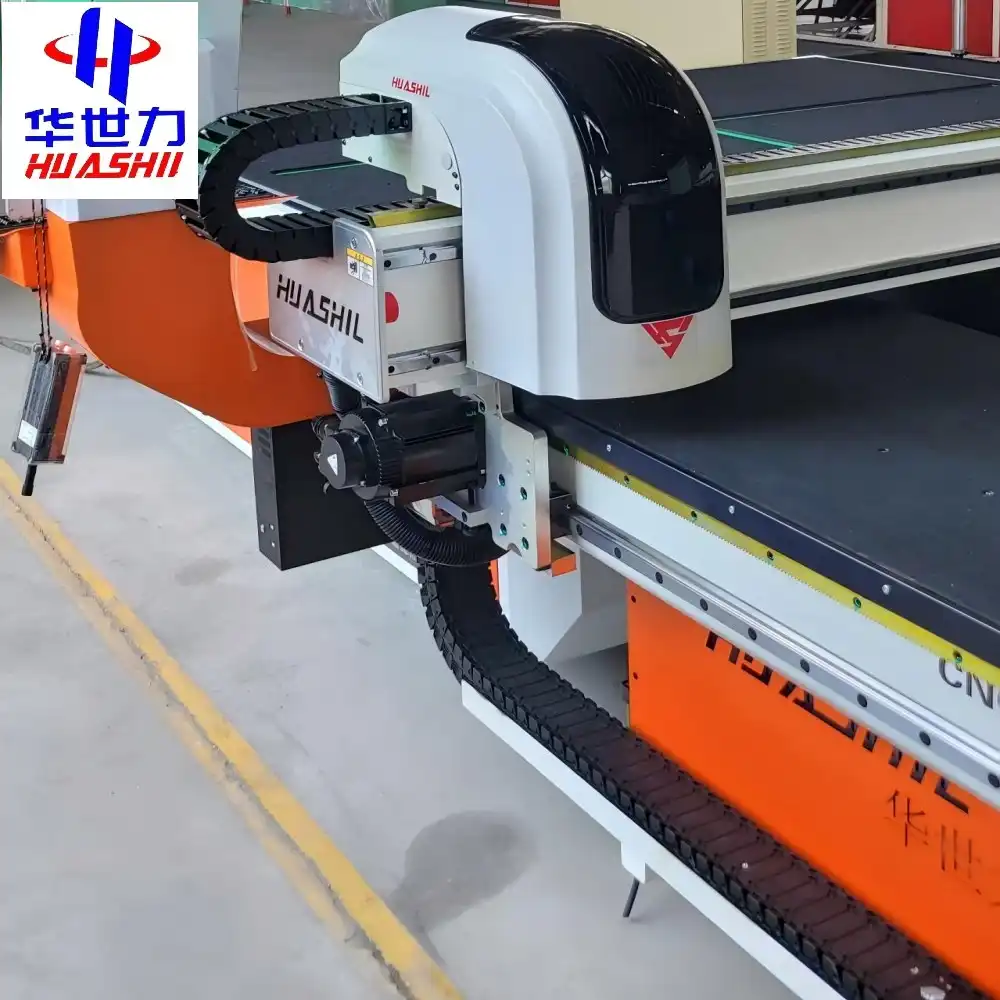
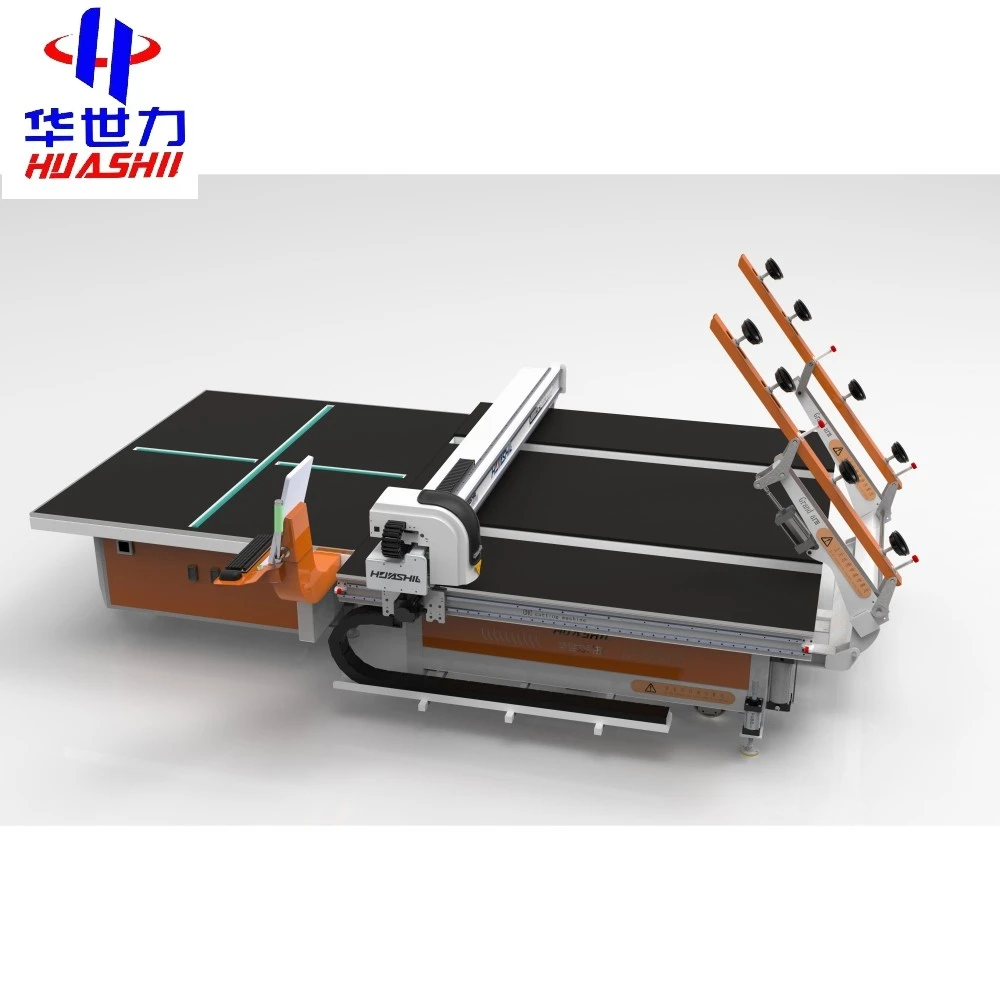
Modern automated glass handling systems move cutting tools over the material using synchronized motion control platforms. This process works well with the HSL-CNC2721's 2700 x 2100 mm work area, which fits conventional architectural glass sizes. Servo motors position the X and Y axes within 0.1 mm. It ensures that cut edges match up flawlessly, even on intricate patterns. To prevent minor scratches that distort the image, an air float mechanism protects the glass from rubbing against the work surface. Edge-finding sensors locate material edges without setup or operator interaction.
Optima optimization software analyses design files and provides material-efficient tool routes to start cutting. The cutting power is automatically adjusted for glass thickness, from 2 mm for ornamental panels to 19 mm for structural glazing. This prevents surface damage and incomplete scoring. This versatile technique prolongs cutting tool life and maintains edge quality across manufacturing cycles.
Critical Features Impacting Operational Performance
Unlike simple equipment, advanced cutting platforms offer several functions that boost production productivity. Workers may move the cutting bridge from any angle using 360-degree wireless controls and remote controls, saving time traveling around large floor panels. This seemingly little function saves time over hundreds of daily cuts. Build using industrial-grade materials for sustained use in severe manufacturing settings for durability. CE and ISO9001 certifications demonstrate worldwide safety and quality management requirements. Third-party verification shows purchasing teams the items' reliability. Uptime depends on the technician's ease of maintenance. Strategically located service locations enable technicians to change blades and examine the system without disassembling the manufacturing line. How successfully cutting equipment integrates with present operations relies on integration. HSL-CNC2721 communicates with upstream design stations and downstream cutting equipment via industrial protocols. This automates manufacturing, reducing machine touch. This link turns isolated machines into coordinated production cells where raw materials become completed items.
How Mobile Glass Cutter Features Solve Common Industry Challenges
Traditional ways of cutting have hidden costs that add up over the course of a production cycle with a mobile glass cutter. To score by hand, skilled operators must keep the same pressure and angle on each cut. This is a physically demanding job that can lead to mistakes during long shifts. When the size of a panel is bigger than the bed can hold, stationary cutting tables create jams that force people to use solutions that are less precise or require extra steps. A mobile glass cutter addresses these limitations by bringing the cutting head directly to the material, eliminating the need to reposition oversized sheets and reducing the physical strain on operators while maintaining consistent scoring depth across the entire panel surface.
Addressing Accuracy Limitations and Material Waste
The industry reports that hand-cutting, scoring and measuring errors waste 8–12% of material. Automated cutting technologies reduce this percentage to below 3% by eliminating human error. Each sheet is analyzed by Optima to determine the optimal nesting patterns to fit the most pieces. You can't accomplish this optimization by hand. Another key difference is that edge quality remains the same. Automatic pressure adjustment keeps cutting wheels at the proper force along the score line. This creates crisp breaks with little edge finishing. This speeds up subsequent processing and increases yield when dimensions are tight, such as in insulated glass units where the seal relies on straight edges.
Reducing Operator Fatigue Through Ergonomic Design
Continuously cutting objects by hand may cause cumulative strain injuries, which increase workers' compensation and the need for further training when skilled operators quit physically demanding occupations. Automated platforms shift people from cutting to managing and inspecting quality, which are more skilled and less physically demanding professions. Remote controls keep users away from places where they may handle materials during cutting rounds, making them safer. A Midwest curtain wall fabricator increased output by 34% after introducing automated cutting equipment. They attributed the rise to reduced equipment setup time and fewer midshift performance reductions. Their production manager stated that operators concentrated throughout shifts since technology took care of physically tough duties while workers checked quality and improved the system.
Real-World Implementation and Measured Outcomes
Handheld cuts that made different edge conditions were causing quality problems for a furniture company that made glass parts for shelf systems. When they got automated cutting equipment, their defect rate went from 11% to less than 2%, and they were able to make 28 more panels every day while keeping the same number of workers. Optimised nesting patterns took out more parts from each sheet, which increased material utilisation and cut monthly raw material costs by about $1,800. These measurable changes show how certain factors affect how well a business does financially. Less waste directly lowers material costs, faster cutting cycles raise throughput without raising labour costs in the same way, and better quality lowers rework costs. Payback times for the combined effect are usually between 18 and 30 months, but they depend on how much is being made and how efficiently the process is running now.
Comparing Mobile Glass Cutters: Features That Maximize ROI
To choose the right cutting technology, you need to look at how different system designs meet the needs of different output scenarios. Handheld tools are portable and can be used to make changes at the installation site. Manual cutting tables are a basic form of automation, but CNC-controlled platforms provide the accuracy and speed that high-volume operations need.
Performance Differentiation Across Equipment Categories
Handheld carbide wheel cutters are used in the field when portability is more important than accuracy. These tools are great for custom fitting while installing, but they can't be used over and over again, which is needed in production settings where parts need to fit tightly. Manual bridge cutters improve straight-line accuracy through guided rails, yet still depend on operator skill for pressure control and score uniformity. With automated CNC platforms, cutting goes from being a craft that needs an operator to being a process-controlled manufacturing. This difference impacts both capability and cost—automated systems can handle complex curves and notches that are hard to do by hand, while also keeping consistency across thousands of identical pieces. Because a tile cutter made for ceramics doesn't have the pressure sensitivity and scoring accuracy needed for glass, you need to buy equipment made just for cutting glass, even though it costs more.
Key Parameters for Equipment Evaluation
Technology impacts production and ownership costs for a mobile glass cutter. The technique only handles certain panel sizes without repositioning, delaying giant architectural glass output. Without additional treatment, the HSL-CNC2721 can handle most 2700x2100mm industrial glass material. No need for two tools to cut delicate decorative glass and thick construction panels—the mobile glass cutter is flexible. Accurate placement impacts production speeds, while ±0.1mm accuracy minimizes assembly rejects for specific-sized items. Software affects how well equipment uses materials and design. Effective nesting pattern optimization saves waste, and CAD files remove human programming, enabling designs to go from engineering to production. Remote controls improve worker safety and productivity on the mobile glass cutter. This lets them monitor several machines at once, saving manpower in bigger companies. Certification objectively verifies safety and construction quality. CE certification means the product meets EU machinery safety standards for electromagnetic compatibility and operator protection. ISO9001 certification demonstrates the company has quality management systems to assure product quality.
Procurement Considerations: Selecting the Right Equipment for Your Business
Decisions about capital equipment involve more than just the initial purchase price. They also involve the total costs of ownership over a period of ten years or more. To figure out long-term value, you have to look at things like how long something lasts, the system that supports it, and the costs of running it that add up over time. Working with experienced equipment providers has benefits that go beyond just getting hardware. Established suppliers have application knowledge that helps match the capabilities of equipment to specific production needs. This keeps expensive mismatches between systems bought and actual operational needs from happening. Their experience with similar installations helps set realistic goals for performance and gives practical advice on how to set things up, which speeds up the deployment process. HUASHIL is a good example of this all-around supplier approach because they combine manufacturing know-how with a system for customer support that lasts the whole lifecycle of the equipment.
Durability and Warranty Coverage Assessment
Industrial cutting equipment has to be able to keep working even after a lot of use and multiple shifts, all while keeping its accuracy. Reliability depends on the quality of the construction. Heavy steel frames don't bend under dynamic loads, precision-ground linear guides keep their position accuracy after millions of motion cycles, and sealed bearing assemblies keep airborne glass particles from getting into critical parts. The terms of a warranty show that the maker is confident in the equipment's long-term durability and protects you financially during the first few years you own it. Full coverage should include both parts and labour for hardware, software, electronics, and mechanical parts, and service request response times should be made clear. Extended warranty options help businesses plan for predictable maintenance costs and make sure they have access to expert support after the standard coverage periods end.
After-Sales Support and Parts Availability
When equipment breaks down, it directly affects how much can be made. This is why quick expert help is so important for keeping operations going. When it comes to reaction times, manufacturers with established service networks are better than importers who rely on expert resources in other countries. When extra parts are readily available in the regional market, wait times drop from weeks to days. This means that production doesn't stop as often when parts need to be replaced. Training programs teach operational knowledge that makes the best use of the equipment's capabilities. In-depth training includes not only basic operation but also optimisation techniques, regular maintenance steps, and troubleshooting processes that give workers the tools they need to fix small problems without having to call for help. Documentation, video tutorials, and technical hotlines are all ongoing learning tools that help people keep improving their skills as production needs change.
Supplier Evaluation and Selection Criteria
Working with competent equipment suppliers brings advantages beyond hardware. Established vendors can match equipment capabilities to manufacturing demands with application experience. This prevents costly disparities between systems purchased and operating demands. Their expertise with comparable systems helps define realistic performance targets and provide practical setup suggestions, speeding up implementation. The all-around supplier strategy of HUASHIL combines manufacturing expertise with a system for customer service that lasts the lifespan of the equipment. Our engineers help customers build up systems for processing architectural glass, furniture pieces, and ornamental panels. This consulting strategy ensures that the equipment purchased meets current production demands and future company objectives.
Enhancing Performance and Safety: Best Practices for Equipment Operation
To get the most out of your investment in mobile glass cutter technology, you need to set up operational procedures that protect both people and your assets. Clear instructions lower the chance of getting hurt and make machines last longer by making sure they are well-maintained and that operators are trained.
Safety Protocols and Personal Protective Equipment
There are certain risks in places where glass is made, such as sharp edges, flying particles, and machines that are moving. Comprehensive safety programs deal with these risks by making sure workers have the right safety gear and know how to do their jobs. Cut-resistant gloves keep your hands safe when moving things around, safety glasses with side shields keep your eyes safe from glass chips, and hearing protection lowers your exposure to noise in places with a lot of machines. Machine-specific safety features need to be used correctly to work as intended. Putting emergency stop buttons in strategic places around the edges of the equipment lets it be turned off right away if a danger arises. When safety guards open, interlock systems stop cutting operations so that people don't accidentally touch moving parts. These built-in safety measures only work well when workers are taught what they're for and how to use them correctly.
Maintenance Routines That Protect Your Investment
Preventive maintenance keeps machinery functioning smoothly and prevents unexpected breakdowns that might disrupt output. Daily inspections ensure that the cutting wheels are not damaged, the air float systems are at the proper pressure, and the motion axes may move freely without becoming caught. Lubricating linear guides and ball screws weekly per the manufacturer's recommendations prevents wear and maintains setting precision. Maintenance checks monthly for faulty electrical connections or corrosion, cleans all surfaces of glass dust, and updates software backups. Factory-trained personnel inspect all mechanical systems annually, calibrate them, and replace old parts before they fail. Preventive maintenance is cheaper than emergency repairs and extends tool life. Cutting tool management affects edge quality and business costs. Look at the cutting wheel and judge its edge quality to determine when it needs to be changed before it stops operating and production. Keep cutting wheels, lubricant supplies, and worn parts in stock to avoid production delays and purchase in bulk to save money.
Conclusion
When you buy advanced automated cutting technology, you get a clear return on your investment in the form of less waste, higher throughput, and more consistent products. Precision motion control, adaptable pressure regulation, optimisation software, and comfortable operation are some of the features that set purpose-built glass processing equipment apart from general-purpose tools. Facilities that make architectural glazing, curtain wall components, or furniture glass can gain a clear competitive edge by using equipment that can automate tasks and be relied on to work reliably. Capital equipment choices need to take into account both short-term production needs and long-term business goals in manufacturing markets that are becoming more competitive. This can be done by carefully examining technical specs, provider support infrastructure, and total ownership costs.
Frequently Asked Questions
1. What distinguishes automated cutting systems from manual methods?
Computerised cutting patterns are carried out by automated equipment with positioning accuracy of ±0.1mm. This is in contrast to manual scoring, where results depend on how skilled and consistent the operator is. Software optimisation makes the best use of materials while getting rid of the physical demands that lead to mistakes during long production runs because of fatigue.
2. How does equipment thickness capacity affect production versatility?
Systems that work with 2–19 mm glass can handle both thin decorative glass and thick structural glazing without needing two separate sets of specialised machines. This range includes furniture parts, architectural windows, curtain wall panels, and shower screens, so facilities can serve a wide range of customers with just one set of tools.
3. What maintenance requirements should procurement teams anticipate?
Every day, checks are made to make sure the cutting tools are in good shape and the system is clean. Once a month, lubrication keeps the motion accurate. Professional service once a year includes full calibration and replacement of worn parts. Total upkeep costs are usually between 3 and 5 percent of the value of the equipment every year if the manufacturer's instructions are followed.
Ready to Transform Your Glass Processing Operation?
HUASHIL provides tailored cutting solutions that help architectural glass makers, curtain wall manufacturers, and furniture manufacturers in North American markets deal with their unique problems. Our HSL-CNC2721 mobile glass cutter supplier platform blends tried-and-true automation technology with a wide range of support services that make sure the system is set up and running smoothly for a long time. Our CE and ISO9001 certifications show that we are dedicated to making high-quality products and following safety rules that protect your investment and employees. We know that buying capital equipment requires a lot of technical research and setup that is tailored to the specific needs of the application. Our engineering team works with plant managers, technical buyers, and procurement experts to come up with the best systems for your production needs. Talk to our experts at salescathy@sdhuashil.com about how automated cutting technology can help you save money on materials, get more done, and make sure your products are all the same.
References
1. Glass Manufacturing Industry Council. (2023). "Automation Impact on Production Efficiency in Architectural Glass Fabrication." Industrial Glass Technology Quarterly, Vol. 47, No. 3, pp. 112-128.
2. Thompson, R. & Martinez, J. (2024). "Total Cost of Ownership Analysis for CNC Glass Cutting Systems." Journal of Manufacturing Equipment Management, Vol. 19, No. 2, pp. 45-67.
3. National Safety Council - Manufacturing Division. (2023). "Workplace Safety Improvements Through Automated Glass Processing Equipment." Occupational Health & Safety Research Report, Publication No. MSC-2023-18.
4. Anderson, P. et al. (2024). "Material Utilization Optimization in Glass Fabrication: Comparative Study of Manual versus Automated Cutting Methods." International Journal of Production Research, Vol. 62, No. 8, pp. 2841-2859.
5. European Committee for Standardization. (2023). "Machinery Safety Requirements for Glass Processing Equipment - Updated Guidelines." CEN Technical Specification Document, Reference EN-12345:2023.
6. Williams, S. & Chen, L. (2024). "ROI Analysis of Automated Manufacturing Systems in Glass Processing Industries." Industrial Engineering & Management Review, Vol. 31, No. 1, pp. 78-94.