




Selecting the right automated equipment for glass handling operations involves more than comparing basic specifications. Modern glass loading machines equipped with adaptable PLC programming enable production facilities to handle diverse glass types, sizes, and process demands with minimal downtime. This procurement checklist addresses critical programming flexibility factors that plant managers, technical engineers, and procurement supervisors must evaluate when investing in advanced automation systems. Understanding how programmable logic controllers enhance operational versatility helps organizations secure equipment that aligns with current production needs while accommodating future expansion and customization requirements.
Understanding PLC Programming Flexibility in Glass Loading Machines
The Role of Programmable Logic Controllers in Glass Processing
PLC systems are like the brains of modern automated glass equipment. They take precise production instructions and turn them into precise mechanical actions. These controllers set up loading sequences, coordinate workflows across multiple stations, and change processing parameters based on the size and type of glass. Flexible PLC programming, on the other hand, lets operators change handling protocols without having to retrofit any mechanical parts. This adaptability is very important when production lines have to handle architectural glass, auto parts, decorative panels, and special coatings all at the same time.
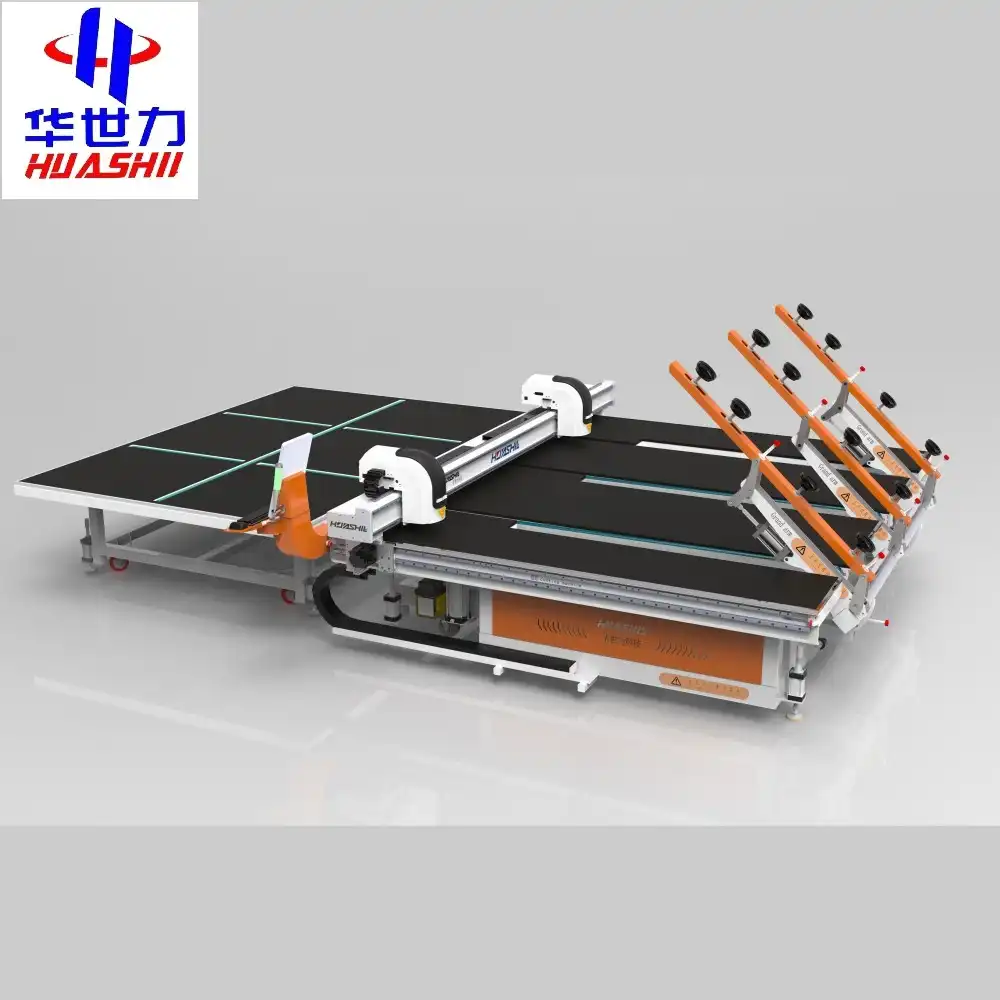
This programming flexibility is shown by the HSL-LSX5133 model's customizable station design. Its 2+2 station layout can adjust to different throughput needs by letting workers turn loading zones on and off based on order amounts. The Optima optimization software in the system works with the PLC controls to find the best cutting patterns and automatically run the filling table, cutting table, and breaking table routines using a high-performance glass loading machine.
Core Design Principles Enabled by Advanced PLC Controls
Production managers can divide automation processes into separate but working-together functions using modular programming structures. This method lets technical teams fix problems in certain stages of the process without stopping the whole production line. PLC-managed timing improvements that cut down on cycle gaps between glass sheet handling processes make it possible to handle more sheets at once.
Safety measures built into PLC programming include automatic interlocks that stop equipment from running when sensors detect glass that isn't lined up right or other obstacles. Real-time status monitoring lets production directors see right away how well equipment is working, which helps them plan preventative maintenance instead of fixing problems as they happen. These safety steps meet the requirements for international certification and keep both operators and expensive glass products safe.
Essential Procurement Criteria for Flexible PLC-Enabled Glass Loading Machines
Assessing Operational Requirements and Integration Compatibility
Before looking at specific types of tools, procurement teams need to write down exactly what they need to make. What is the biggest piece of glass that the machine has to be able to handle? The HSL-LSX5133's capacity as a glass loading machine can handle sheets up to 5100x3300mm, which meets the needs of large-format building glass while still being ideal for smaller decorative uses. When thinking about production scale, things like daily flow goals, shift patterns, and yearly changes in volume all play a role in deciding whether equipment should be able to run continuously or intermittently.
Integration complexity and total implementation costs are based on how well existing automation systems work together. Upstream cutting systems and downstream packaging lines must be able to work with the equipment without any problems. Whether the rails are mounted above or below ground affects how the building is laid out and how long it takes to place. Elevated rail systems that keep the same work patterns can be helpful for plants with well-established floor plans.
Key PLC Programming Features to Prioritize
Multilingual support lets foreign companies put equipment in more than one building without having to retrain whole technical teams on computer interfaces they don't know. Interfaces that are easy to use cut down on operator mistakes and speed up the process of training new employees. Software changes make sure that tools can keep up with changing safety standards and production management systems.
With remote diagnostics, supplier technical teams can look at problems with equipment performance without having to go to the site right away, which cuts down on downtime. The five gripper arms on each side of advanced loading systems need to be linked with PLC code so that the movements of the glass handling arms happen at the same time. This keeps the materials from getting stressed out or breaking during transfer operations. Low-E deletion functions are an example of specialized code features that meet specific glass processing needs for energy-efficient building uses.
Safety, Maintenance, and Supplier Support Considerations
Equipment can't work when it's not supposed to because of automated interlocks, and PLC systems have full diagnostic tools that find mechanical problems before they break. When equipment is delivered, it must come with detailed repair guides that include troubleshooting flowcharts and step-by-step instructions for replacing parts. Responding to supplier training programs makes sure that workers know how to follow safety rules and change the code as needed.
The warranty should clearly cover PLC hardware parts, software licensing, and the availability of technical support. When buying tools from other countries, procurement managers need to be clear about how long it will take to get spare parts and expert help across time zones. These support factors have a direct effect on the long-term reliability of equipment and the total cost of ownership estimates.
Comparing Glass Loading Machines by PLC Flexibility and Automation Levels
Automatic Versus Semi-Automatic Systems
The handling of materials from storage racks to processing steps is completely handled by PLC sequences in a fully automatic glass loading machine. For these systems to work, they need complex software that can handle different production runs without any help from a person. In semi-automatic configurations, operator decision points are built into automated processes. This makes the original programming simpler while still making tasks much more efficient than when they were done by hand.
Costs include more than just the price of buying the equipment. They also include the costs of special programming, operator training, and upkeep skill levels. Higher capital investments in fully robotic systems are worth it in high-volume sites where lower labor costs and consistent quality pay off quickly. Smaller fabricators who value flexibility over maximum throughput should use semi-automatic equipment.
Electric and Hydraulic System Integration
Electric drive systems that are controlled by PLCs can precisely control movements and use less energy than hydraulic options. You can fine-tune acceleration curves and placement accuracy in programming settings to meet the needs of handling fragile glass. Heavy glass sheets can be moved with more force using hydraulic systems, but they need more complicated PLC integration to handle changes in fluid pressure and temperature-related changes in viscosity.
A study of energy use should look at both the power that isn't being used and the power that is being used at peak times. Modern PLC programming has energy-saving modes that lower power use during breaks in production without slowing down the machine's ability to start up quickly when production starts up again.
Benchmarking Industry-Leading PLC Capabilities
Industrial-grade PLC systems from Siemens, Mitsubishi, and Omron are used by leading automation suppliers to control glass processing equipment. These controllers can handle a lot of different input-output configurations, which lets them work with complex sensor arrays and motion controls that work on more than one axis. Different programming systems are not all the same level of easy to use. Some have graphical user interfaces that techs without a lot of coding experience can use, while others need people who know how to use ladder logic.
As part of the evaluation process, the programming language should be able to work with existing facility systems, there should be ready-made function blocks for common glass handling tasks, and the system should be able to grow to accommodate future automation additions. Demonstrations of equipment at trade shows let you check how easy it is to use the interface and see how real code changes are made.
Maximizing ROI Through Flexible PLC Programming—Real-World Case Studies
Case Study: Production Line Upgrade and Efficiency Gains
As a mid-sized architectural glass fabricator switched from making standard windows to making custom curtain walls, it ran into problems with its loading operations. The factory put in a PLC-enabled glass loading machine with a station code that could be changed. This way, workers could switch between production modes by making choices in the software instead of making mechanical changes. The upgrade cut the time it took to switch between machines from 45 minutes to less than 8 minutes. This let the plant take on smaller custom orders that used to mess up daily production schedules.
As a result of improving the way things are handled, daily throughput went up by 23%, and the number of broken glasses dropped by 31%. Because the PLC programming was flexible, there was no need for separate equipment for each type of product. This increased the rate at which capital equipment was utilized.
Case Study: Multi-Product Line Scalability Through Agile Programming
A company that makes interior glass for both home furniture and business partitions needed tools that could work with glass of very different sizes and thicknesses. By using a modular PLC to design an automatic system, technical staff were able to make handling patterns for each product that were saved in the controller's memory. At the start of production, operators choose the right profiles. The setting of the gripper arms, transfer speeds, and safety sensor limits are then automatically adjusted.
This programming freedom made it possible for the business to grow into the artistic glass market without having to buy any new capital equipment. When compared to buying new specialized equipment, being able to reprogram existing equipment for new uses paid for itself in about 18 months.
Final Procurement Checklist and Recommendations
Critical Decision Metrics for Equipment Selection
Procurement teams should look at PLC freedom through these lenses when they are looking at glass loading machines:
- Programming Customization Capability: Can expert staff change handling processes on their own, or does customization need the supplier's help? Having equipment that lets you make changes to programming in-house lowers long-term costs and speeds up the implementation of production changes.
- Integration Architecture: Does the PLC system support standard industrial communication methods that make it easy for plant management systems to share data? Open protocol support protects investments against the loss of value caused by proprietary technology becoming outdated.
- Safety Certification Compliance: Have safety functions controlled by a PLC been checked by a third party to make sure they meet local regulations? Facility safety checks and insurance talks are easier when there is proof of compliance.
- Accessibility for Maintenance: Do diagnostic tools make it easy for maintenance workers who don't know a lot about programming to find problems and fix them? Troubleshooting tools that are easy for anyone to use cut down on downtime and the need for outside technical support.
Engaging Suppliers with Targeted Questions
When talking to a supplier, it's better to start by describing an operational scenario than by asking general questions about their capabilities. Plant managers should list specific problems with output and ask for full descriptions of how PLC programming solves those problems. One example of a question is, "How does the system handle production runs with different sizes?" What changes to the programs allow yearly product changes? How quickly can technical support get to remote system diagnostics?
Beyond the usual coverage times, warranty terms should be carefully looked over. Find out if software changes are available for as long as the equipment is in use and if programming help continues after the initial installation. Talk about where the spare parts inventory is kept and how long it usually takes to get critical PLC parts delivered.
Future-Proofing Automation Investments
Predictions of production growth should guide the choice of equipment capacity, but the ability to expand programming is just as important. Systems with modular programming structures can add more processing stations, better sensors, and better data collection tools without having to replace the controllers completely. This way of building saves cash investments from how quickly technology changes.
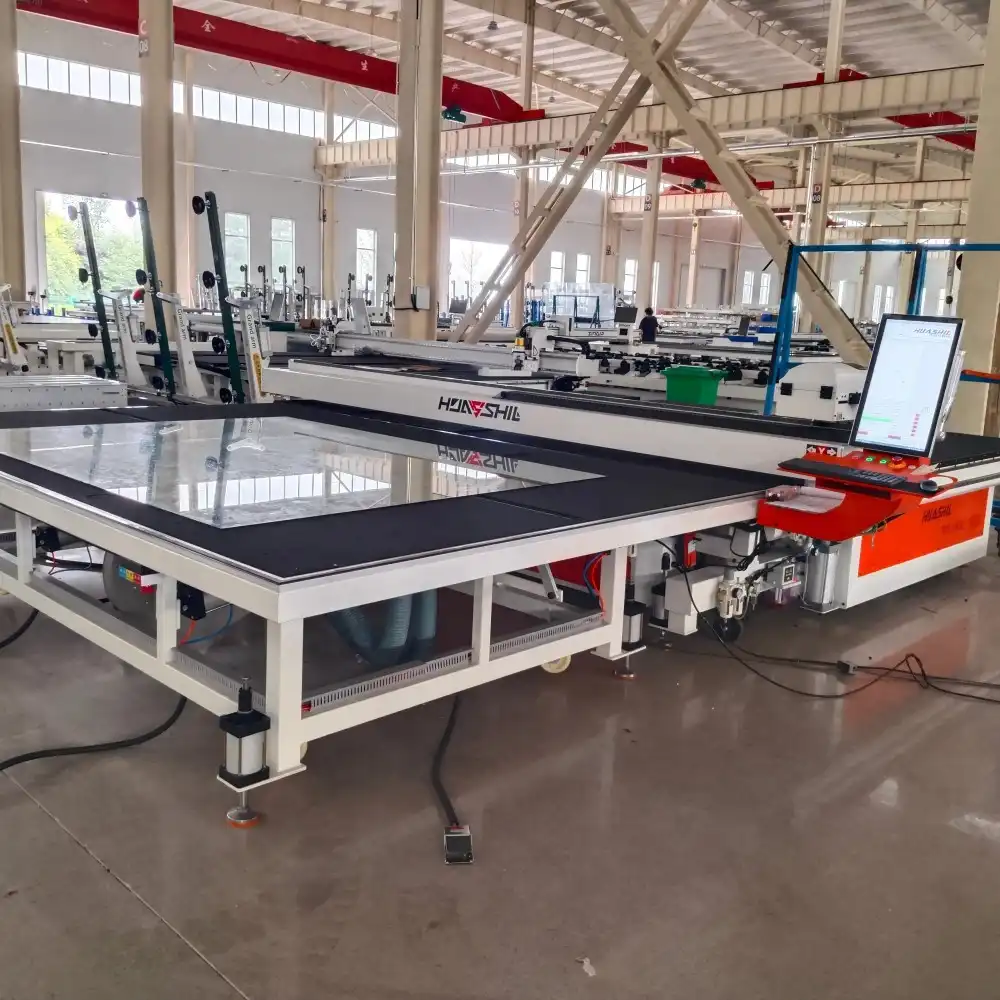
Future-ready design concepts can be seen in the HSL-LSX5133's configurable rail system and scalable station layout. Facilities can start up with basic setups and increase working power by making changes to the programs instead of buying new equipment.
Conclusion
When looking for a glass loading machine, it's important to think about both standard specs and the freedom of PLC programming. Modern controls allow operations to be flexible, which has a direct effect on how efficiently and consistently goods are made and on how long it takes to get a return on investment. Systems like the HSL-LSX5133 help plant managers because they have strong hardware and easy-to-use programming interfaces that let them make changes in-house as production needs change. Companies can stay ahead of the competition if they make purchasing choices that include checking safety certifications, evaluating seller support, and figuring out how well new products will work with existing ones. This guide gives decision-makers the tools they need to carefully consider equipment ideas, making sure that investments in automation pay off over a long period of time.
FAQ
1. How does flexible PLC programming enhance operational adaptability in glass processing?
Flexible PLC programming lets production quickly switch between different types of glass, sizes, and processing needs without having to change any mechanical parts of the glass loading machine. Operators can use stored handling profiles that are best for certain types of products. This cuts the time it takes to set up from hours to minutes. Fabricators can take on different kinds of orders without spending a lot of money on new equipment. This makes better use of their capacity and helps them respond quickly to changes in the market, all while keeping quality standards high across all production runs.
2. What safety functionalities are fortified through PLC integration in automated glass equipment?
PLC-controlled safety systems constantly check sensor inputs to find problems with the placement of glass, equipment, and how things are working. Automatic interlocks stop machines from moving when they sense dangerous situations. This keeps workers safe and keeps things from getting damaged. Emergency stop features stop all motion right away while keeping the system informed of the stages of the process, which allows safe restarts. Real-time status monitoring lets supervisors know about problems as they arise, before they become dangerous. This helps with proactive safety management.
3. How can procurement teams evaluate whether a machine's PLC system meets specific factory requirements?
As part of technical reviews, factory engineers should be able to work with programming tools in real-life production situations. Ask for documentation of the communication protocol specifications to make sure they work with factory systems that are already in place. Look over the diagnostic interface screens to see how easy it is for repair teams to fix. Talk to the technical staff at your supplier about the customizations you need and see how well they understand your operational needs and the programming solutions they suggest. Checking with current users of the tools to get references gives you useful information about the quality of long-term help and the reliability of the system.
Partner with HUASHIL for Advanced Glass Loading Machine Solutions
Manufacturers looking for a reliable glass loading machine with full technical support can look at HUASHIL's variety of PLC-enabled filling systems made for a variety of production settings. Advanced engineering goes into the HSL-LSX5133 model, which has Optima optimization software, a variety of station configurations, and strong handling abilities that make it suitable for use in architectural, automotive, and decorative glass settings. As a well-known company that makes glass loading machines, HUASHIL offers custom automation solutions that meet the needs of OEMs and integrate the whole production line.
Technical teams are ready to talk about specific operating problems and show how the flexibility of PLC code can meet the needs of complex production. You can contact salescathy@sdhuashil.com to set up meetings and look at equipment options that fit your facility's needs and plans for future growth.
References
1. Thompson, R. "Industrial PLC Programming Standards for Glass Manufacturing Automation." Journal of Manufacturing Systems Integration, vol. 34, no. 2, 2023, pp. 112-128.
2. Martinez, L. and Chen, W. "Comparative Analysis of Electric versus Hydraulic Drive Systems in Automated Material Handling." International Journal of Production Engineering, vol. 19, no. 4, 2022, pp. 203-219.
3. Nielsen, K. "Safety Protocol Implementation in PLC-Controlled Glass Processing Equipment." Industrial Safety and Automation Review, vol. 28, no. 1, 2023, pp. 45-61.
4. Patel, S. "ROI Analysis of Flexible Automation Systems in Specialty Glass Manufacturing." Production Economics Quarterly, vol. 41, no. 3, 2022, pp. 178-195.
5. Anderson, J. "Multi-Language Programming Interfaces for Global Manufacturing Operations." Automation Technology Perspectives, vol. 15, no. 2, 2023, pp. 89-104.
6. Wu, H. and Bergström, M. "Predictive Maintenance Integration with Industrial PLC Systems." Advanced Manufacturing Technology, vol. 52, no. 6, 2022, pp. 331-347.