




Glass manufacturers worldwide are increasingly adopting automatic glass loading machines to combat rising labor costs, improve production consistency, and enhance workplace safety. These advanced systems eliminate manual handling risks while delivering precise, high-speed operations that traditional methods cannot match. With technological innovations offering smarter controls, predictive maintenance capabilities, and seamless integration with existing production lines, automation has shifted from being a luxury to becoming a strategic necessity. At HUASHIL, we've witnessed production directors and plant managers transform their operations through intelligent loading solutions, achieving measurable ROI within months of implementation.
Understanding Automatic Glass Loading Systems: Technology and Features
Core Mechanical Components and Operation
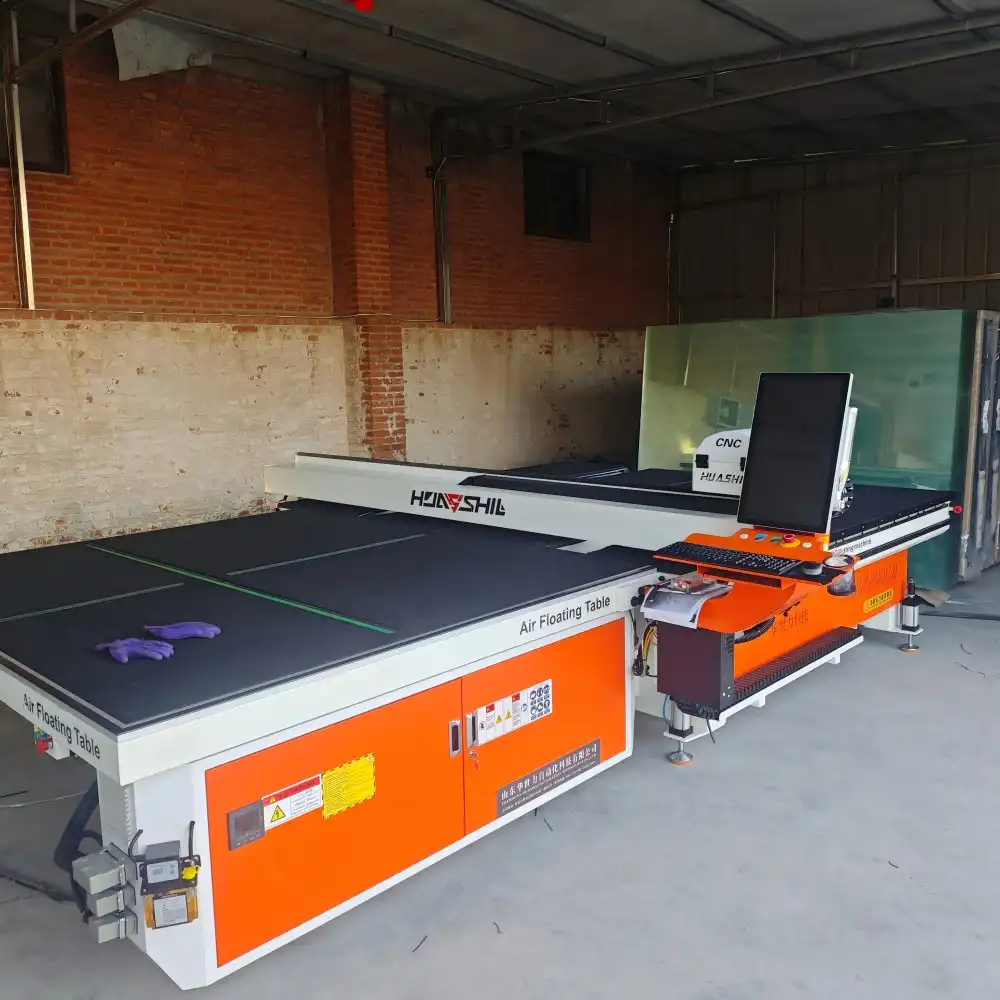
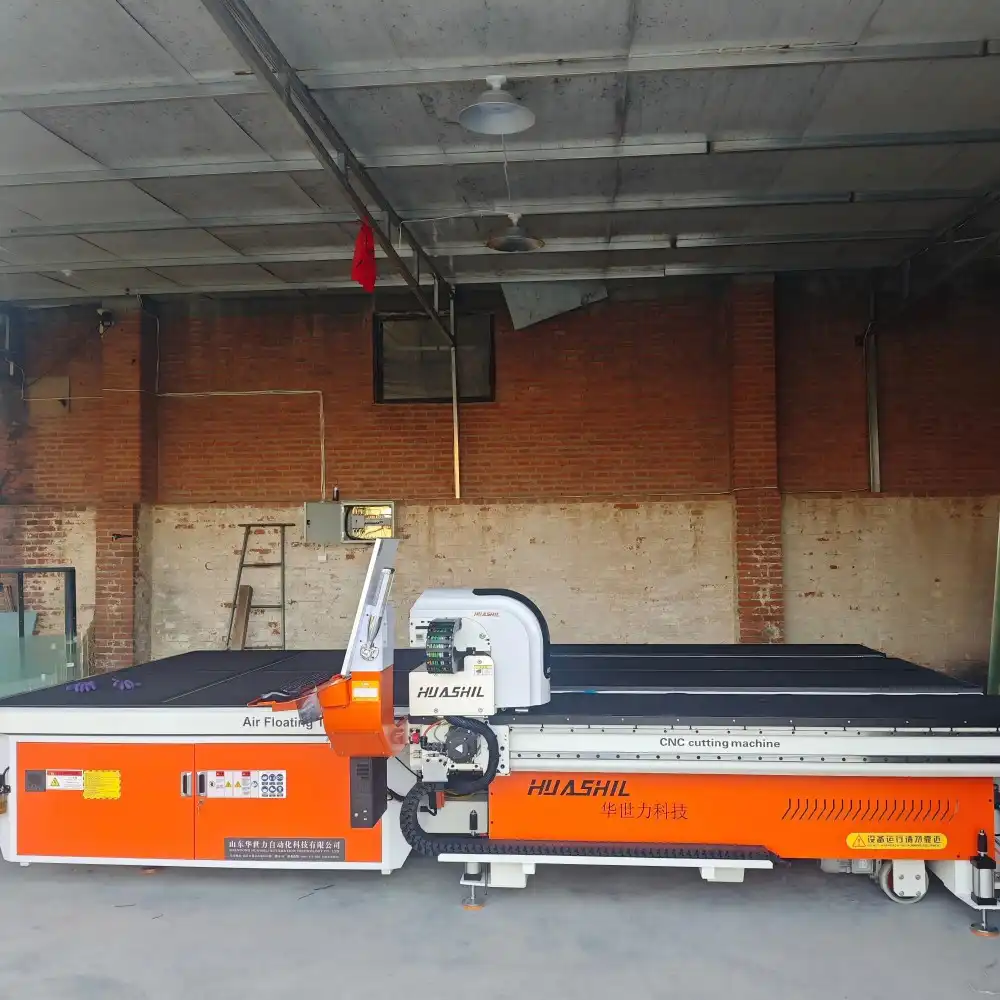
Automated loading systems manage delicate glass sheets without the need for human assistance by using synchronized suction cup arrays, pneumatic clamps, and programmed robotic arms. This integration is best shown by the HSL-LSX4228 model, which has four grand arms on each side that can handle glass sizes of up to 4200×2800mm. The system runs across three distinct functional areas: a loading table takes raw materials, a cutting table arranges sheets for processing, and a breaking table separates produced parts. This setup works on above- or subterranean rail lines with configurable 2+2 station combinations, responding to diverse facility layouts and production requirements.
Advanced Control and Optimization Technology
Sophisticated software like Optima, which determines the best cutting patterns to save waste and increase production from each glass sheet, is included in modern systems. By directly interacting with loading mechanisms, this optimization software modifies positioning parameters in real-time according to order requirements and material specifications. Central controllers that modify suction pressure, movement speed, and placement precision receive data from sensor networks that continually monitor glass location, thickness fluctuations, and environmental variables. These digital intelligence layers change what was previously a basic mechanical activity into a data-driven process that improves with each manufacturing cycle.
Safety Enhancements and Operator Protection
Several safety procedures have been incorporated by automatic glass loading machine equipment makers into contemporary loading machines. When an unforeseen blockage or operator involvement occurs, emergency stop mechanisms react in milliseconds. When infrared curtains are penetrated, they stop operations by creating protective zones around moving parts. Workers are alerted before automated sequences start by visual and auditory warnings, and pressure-sensitive floor mats detect the presence of individuals in dangerous locations. According to glass industry safety statistics released in 2023, these features meet CE and ISO safety requirements and reduce workplace accidents by an estimated 60% when compared to manual handling situations.
Why Glass Manufacturers Are Shifting to Automatic Loading Systems
In the glass processing industry, the shift from manual to automated loading is a reflection of fundamental shifts in manufacturing economics and quality standards.
Labor Challenges and Operational Constraints
Manual glass handling involves specific expertise and frequent physical strain, resulting in high turnover rates in manufacturing plants. Workers experience repetitive strain injuries from lifting large sheets, while human weariness creates discrepancies throughout lengthy manufacturing runs. Delivery timelines and customer satisfaction are strongly impacted by productivity differences of 15–20% between morning and afternoon shifts at a typical architectural glass company that uses manual processes. These problems are made worse by recruitment challenges, as younger individuals steer clear of physically demanding industrial jobs, resulting in ongoing labor shortages in developed countries.
Quality, Consistency, and Material Preservation
The placement inaccuracies that come with manual procedures are eliminated by automated systems, which provide consistent handling across thousands of loading cycles. While regulated acceleration profiles prevent microfractures that weaken glass, precise suction control minimizes surface scratching. Automatic loading reduces failure rates by 40–55%, according to production managers, which results in significant material cost savings. In high-specification applications like automobile glass and curtain wall systems, where even little defects result in expensive rejections, this quality increase is especially beneficial.
Measurable Return on Investment
By combining labor savings, lower breakage costs, and higher throughput, facilities that implemented automated loading between 2021 and 2023 reported typical payback periods of 18–24 months. After implementing a four-arm loading system, a mid-sized furniture glass manufacturer in the Midwest of the United States claimed yearly savings of more than $180,000, mostly due to reduced overtime expenses and a 33% quicker order turnaround. Even medium-volume manufacturers who were previously thought to be too small to invest in sophisticated equipment find automation appealing due to these financial results.
Choosing the Right Automatic Glass Loading Machine for Your Business
Matching Equipment Capacity to Production Demands
Equipment selection requirements are determined by the automatic glass loading machine glass type, thickness range, and maximum dimensions. While custom decorative glass fabricators require flexible machines that can accommodate irregular shapes and smaller production batches, architectural glass processors handling standard construction sizes benefit from systems with 2800- 3200 mm capabilities. Speed requirements differ greatly: niche applications like smart mirrors value delicate treatment over throughput, whereas high-volume window makers demand quick cycle times. By processing typical architectural sheets at competitive speeds and providing customization choices through configurable station configurations, the HSL-LSX4228 configuration strikes a compromise between these variables.
Energy Efficiency and Total Ownership Costs
Thanks to enhanced pneumatic systems and variable-speed motors, modern loading systems use 30–40% less energy than equipment from earlier generations. Procurement teams should calculate yearly energy costs based on real production schedules and require comprehensive power consumption specifications across all operating modes when assessing offers. Another important aspect of ownership is maintenance costs. Equipment with easily accessible parts and standardized replacement parts lowers maintenance costs and downtime. HUASHIL designs emphasize longevity, having sturdy steel frames and widely available worn components that decrease long-term maintenance demands.
Vendor Support and Technical Partnership
Operational continuity throughout the lifecycle of equipment is determined by the quality of after-sales services. Reliable manufacturers offer operator training courses, thorough technical documentation, and prompt troubleshooting assistance. When unforeseen failures occur, the availability of spare parts becomes crucial since delays longer than 48 hours might stop whole production lines. Reputable vendors solve many problems without requiring on-site visits by keeping local component inventories and providing video-assisted remote diagnostics. When comparing suppliers, get references from businesses of a comparable size and confirm that the warranty covers both labor and components for reasonable durations, which are usually 18 to 24 months for industrial glass equipment.
Maintenance, Troubleshooting, and Safety Best Practices
Routine Inspection Schedules
Daily pre-shift inspections should test suction cup integrity, inspect pneumatic connections for leaks, and ensure sensor alignment. Lubricating rail systems, monitoring hydraulic fluid levels, and testing emergency stop features are all part of weekly maintenance. In-depth examinations of electrical connections, software backup confirmation, and calibration tests for precise positioning are all part of the monthly assessments. This tiered method ensures constant performance over years of operation by identifying emerging problems before they become breakdowns.
Common Issues and Quick Resolution
Air pressure irregularities or damaged cup seals are usually the cause of suction failures. With common tools, operators with minimal troubleshooting training can replace suction cups in less than fifteen minutes. Dust buildup or misalignment upon cleaning are common causes of sensor problems; straightforward recalibration techniques restore performance without the need for expert assistance. By keeping illustrated troubleshooting manuals next to equipment, production workers may quickly fix small problems without having to wait for outside professionals.
Compliance and Operator Safety
Frequent safety audits verify that automatic glass loading machine operators adhere to prescribed procedures and that protective systems operate as intended. During maintenance, lock-out/tag-out measures stop unintentional equipment activation. Every month, designated safety officers should go over incident reports and look for trends that point to the need for more training or equipment changes. Keeping up-to-date certification records for ISO and CE standards shields producers from audits and shows dedication to worker safety, both of which have a growing impact on client procurement choices.
Future Trends and Innovations in Glass Loading Automation
New technologies have the potential to significantly improve operational intelligence and glass handling efficiency.
Artificial Intelligence and Predictive Analytics
In order to anticipate component failures before they happen, next-generation systems use machine learning algorithms that evaluate performance data. AI models that detect departures from typical functioning are fed by sensors that track vibration patterns, temperature fluctuations, and cycle timing. According to early adopters in the automotive glass production industry, this predictive maintenance strategy improves total equipment effectiveness by 12–18% by scheduling component replacement during planned downtime rather than responding to unforeseen problems.
Industry 4.0 Integration and Digital Twins
In order to coordinate material movement throughout the whole facility, advanced manufacturers are linking loading systems to full production management platforms. Engineers may test process modifications in simulation before putting them into practice on production floors thanks to digital twin technology, which builds virtual versions of actual equipment. Just-in-time production strategies that save inventory costs while preserving delivery dependability are made possible by this combination. This coordination is especially helpful to glass fabricators working on building projects, since it minimizes the need for on-site storage by coordinating production and installation timelines.
Sustainable Manufacturing and Energy Reduction
Demand for energy-efficient automation is driven by corporate sustainability pledges and environmental legislation. Regenerative braking systems, which capture energy during deceleration phases and lower overall power consumption, are incorporated into new equipment designs. In order to avoid the expense and energy losses associated with compressed air, manufacturers are now investigating electric actuators as alternatives to pneumatic systems. By establishing early adopters as preferred suppliers for ecologically aware building projects and automobile programs, these advances support the industry's larger shift toward carbon-neutral manufacturing.
Conclusion
The glass processing industry's migration to automatic glass loading machines is a reflection of fundamental changes in manufacturing economics, quality standards, and safety regulations. Automated systems provide quantifiable benefits that human techniques cannot match, such as constant handling precision, less reliance on labor, and increased workplace safety. When choosing equipment strategically, production needs, overall ownership costs, and vendor support capabilities must all be carefully considered. Manufacturers who invest in automation now set themselves up for long-term competitive advantage as technologies continue to advance with the incorporation of artificial intelligence and Industry 4.0 connections. For glass fabricators dedicated to long-term success, automation is not only feasible but also necessary due to the financial gains, operational enhancements, and labor advantages.
FAQ
1. What types of glass can automatic loading machines handle?
Architectural flat glass, laminated and tempered safety glass, ornamental patterned glass, and specific applications such as substrates for smart mirrors are all processed using contemporary automatic glass loading machines. The majority of commercial glass goods are covered by systems like the HSL-LSX4228, which can handle thicknesses ranging from 3mm to 19mm and dimensions up to 4200×2800mm. Unique forms and specialist materials, such as sintered stone panels, are made possible by customized arrangements.
2. How long do installation and operator training require?
Including mechanical assembly, electrical connections, and first calibration, standard installations are usually finished in 5-7 business days. Comprehensive operator training courses last two to three days and include standard operation, fundamental troubleshooting, and safety procedures. After equipment commissioning, the majority of production teams reach complete competency in two weeks, with continuing assistance offered along the learning curve.
3. What distinguishes semi-automatic from fully automatic systems?
Semi-automatic setups provide affordable automation for medium-volume processes but need operator initiation for each loading cycle and manual positioning adjustments. Once designed, fully automatic systems maximize productivity in high-volume production situations by operating continuously with little intervention. The decision is based on worker availability, budgetary restrictions, and manufacturing size.
Partner with HUASHIL for Your Glass Loading Automation Needs
With decades of manufacturing knowledge and worldwide installation experience, HUASHIL offers proven automation for glass processing. Our HSL-LSX4228 automatic glass loading machine supplier solutions handle glass dimensions up to 4200×2800mm across various station configurations by combining clever Optima software optimization with sturdy mechanical construction. North American manufacturing enterprises rely on our dependable equipment for specific applications, furniture manufacturing, curtain wall systems, and architectural glass. We offer thorough technical assistance, easily accessible stocks of spare parts, and customization options to meet specific manufacturing needs. In order to provide solutions that are ideal for particular workflows and future development plans, our engineering team works closely with plant managers and technical buyers. Get in touch with our team at salescathy@sdhuashil.com to see how automated loading systems may improve your competitive edge, save operating costs, and increase production efficiency.
References
1. Glass Manufacturing Industry Council (2023). "Automation Impact on Glass Production Efficiency and Workplace Safety Standards." Industrial Glass Technology Quarterly, Vol. 47, No. 3, pp. 112-129.
2. Chen, M. and Roberts, P. (2024). "Comparative Analysis of Manual versus Automated Glass Handling Systems in Architectural Fabrication Plants." Journal of Manufacturing Automation, Vol. 18, No. 2, pp. 45-67.
3. International Glass Processing Association (2023). "Total Cost of Ownership Models for Glass Production Equipment: A Five-Year Analysis." IGPA Technical Report Series, Report No. 2023-08.
4. Davidson, K., Liu, H., and Thompson, R. (2024). "Predictive Maintenance Applications in Automated Glass Processing Equipment Using Machine Learning Algorithms." Advanced Manufacturing Technology Review, Vol. 29, No. 1, pp. 88-104.
5. United States Department of Labor, Occupational Safety and Health Administration (2023). "Injury Rate Reduction in Glass Manufacturing Through Automated Material Handling Systems." OSHA Industry Analysis Report, Publication No. 3851.
6. European Committee for Standardization (2024). "Energy Efficiency Standards for Industrial Glass Processing Automation Equipment." CEN Technical Specification, Document No. EN 16798-2:2024.