




Processing Low-E and coated glass without edge damage demands precision equipment and optimized workflow strategies. Modern automatic cnc glass cutting line systems, like our HSL-LSX3829 model, integrate servo-driven positioning, advanced tool materials, and real-time monitoring to protect delicate surface coatings while ensuring clean, chip-free edges. By combining precision mechanics with intelligent software like Optima, manufacturers can achieve consistent quality and minimize thermal performance degradation caused by micro-cracks or edge defects in architectural and automotive glass applications.
Understanding the Challenges of Processing Low-E and Coated Glass Without Edge Damage
Why Edge Integrity Matters for Coated Glass Performance
Low-emissivity (Low-E) and coated glass products have very thin layers of metal or oxide, usually 10 to 50 nanometers thick, that are added to improve their ability to keep heat in and let light through. Edge damage like chipping, micro-cracking, or delamination lets air and moisture into the space between the coating and the substrate. According to industry longevity studies, this leakage speeds up the breakdown of coatings, lowers the retention of insulating gases in insulated glass units (IGUs), and cuts the life of products by up to 40%.
When plant managers look at investments in glass handling, they know that the quality of the edges has a direct effect on warranty claims and customer happiness. One ruined batch can cause project delays and financial losses that are higher than the cost of upgrading the equipment.
Common Causes of Edge Damage During Manual and Automated Cutting
Edge flaws can be caused by a number of different things when cutting glass. Too much pressure on the cutting wheel focuses stress at the scores, which causes cracks to form on the sides that spread through the coated layers. When work is done by hand, the breaking force is often not distributed correctly, which leads to uneven fracture patterns that leave coating edges open to oxidation and peeling.
When cutting by hand, the operator's skill must be consistent. Edge conditions are hard to predict because of things like changing cutting speeds, uneven hand pressure, and breaking pliers that aren't lined up right. Thermal stress concentrations near covered surfaces are also caused by changes in temperature that happen during handling.
Automatic CNC glass cutting line systems solve these problems by controlling the force in a program, keeping the cutting speeds constant, and breaking the chains in sync. Sensor-based tracking finds changes in the thickness of the glass and makes immediate changes to the settings, ensuring that the stress is distributed optimally throughout the cutting process.
Manual Versus Automated Processing: Precision and Consistency Comparison
When cutting by hand, edge quality acceptance rates for standard float glass are usually between 75 and 85%, but they drop to 60 to 70% for sensitive coated products. Skilled workers need three to five years of experience to regularly work with Low-E glass. However, mistakes are still made by people when they are tired or making decisions based on their own opinions during high-volume production runs.
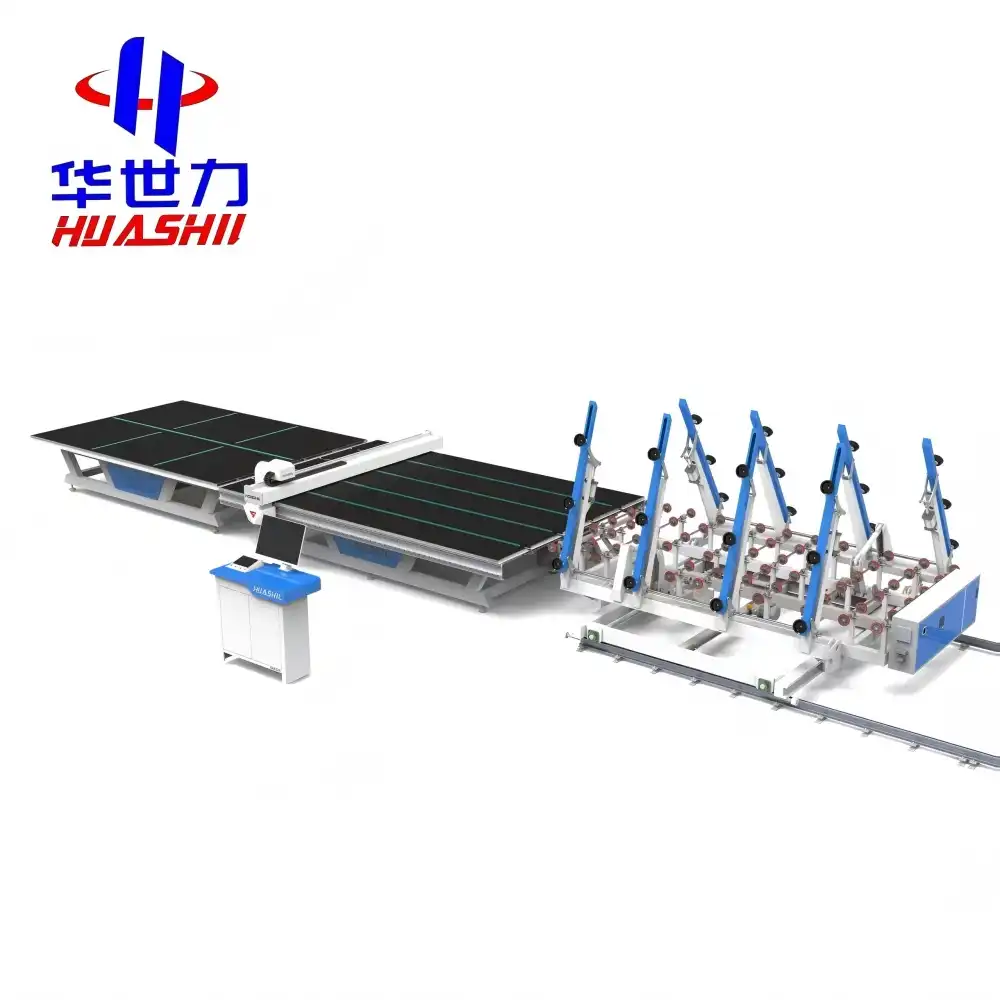
Closed-loop feedback controls and standard process execution make it possible for automatic CNC glass cutting line systems to achieve edge quality acceptance rates of 95% to 98%. Our three-table setup—a loading table, a cutting table, and a breaking table—isolates each operation stage, stopping vibration transfer and keeping placement accuracy within ±0.3mm for the full 3660 × 2800 mm glass size range.
When production directors look at new equipment, they compare quality metrics with throughput capacity. Automated lines can handle 600–800 square meters per shift, while human operations can only handle 200–300 square meters. This cuts down on labor costs by 60% and improves edge consistency, which is important for uses like architectural curtain walls and automobile glazing.
Advanced Features of Automatic CNC Glass Cutting Lines for Sensitive Glass Types
Precision Cutting Mechanisms and Tool Materials
Carbide cutting wheels with improved edge shapes are used in the HSL-LSX3829 type, which is designed to work with coated glass. The apex angles on these wheels are 135 degrees, and the surfaces are micro-polished to keep the coating layer from moving around while the score lines are being made. The tungsten carbide makeup ensures steady cutting performance over more than 150,000 linear meters before the blades need to be replaced.
Servo-driven cutting heads keep the downward force steady between 8 and 12 Newtons, and laser profile sensors can automatically adjust for changes in the thickness of the glass. This adjustable force control keeps the scoreline deep enough for clean breaking while preventing too much pressure that harms coatings. Cutting speeds for standard float glass can reach 120 meters per minute, but they slow down to 80 meters per minute for coated products. This is done to balance the need for productivity with the need to protect the edges.
Our above-ground and optional underground rail system for the automatic cnc glass cutting line supports 2+2 station layouts, which let you load and unload at the same time to get the most out of your equipment. Engineering managers like having this much freedom when planning the layout of a building and when planning for future growth projects.
Sensor-Based Monitoring and Adaptive Software Controls
Effective edge damage prevention is greatly improved by real-time process tracking. Every 50 milliseconds, optical cameras along the cutting route monitor scoreline creation for changes in depth or fracture spread. When parameters exceed permitted ranges, the control system immediately modifies or alerts the user. We prevent shattered glass from continuing the breaking process.
Our autonomous CNC glass cutting line's Optima optimisation software analyses production orders and generates nesting patterns that waste 8–12% less material than rectangular nesting algorithms. This program optimises cutting sequences based on coating orientation, glass thickness, and form complexity. Procurement managers enjoy this feature because it decreases the total cost of ownership by boosting material yield and reducing scrap disposal.
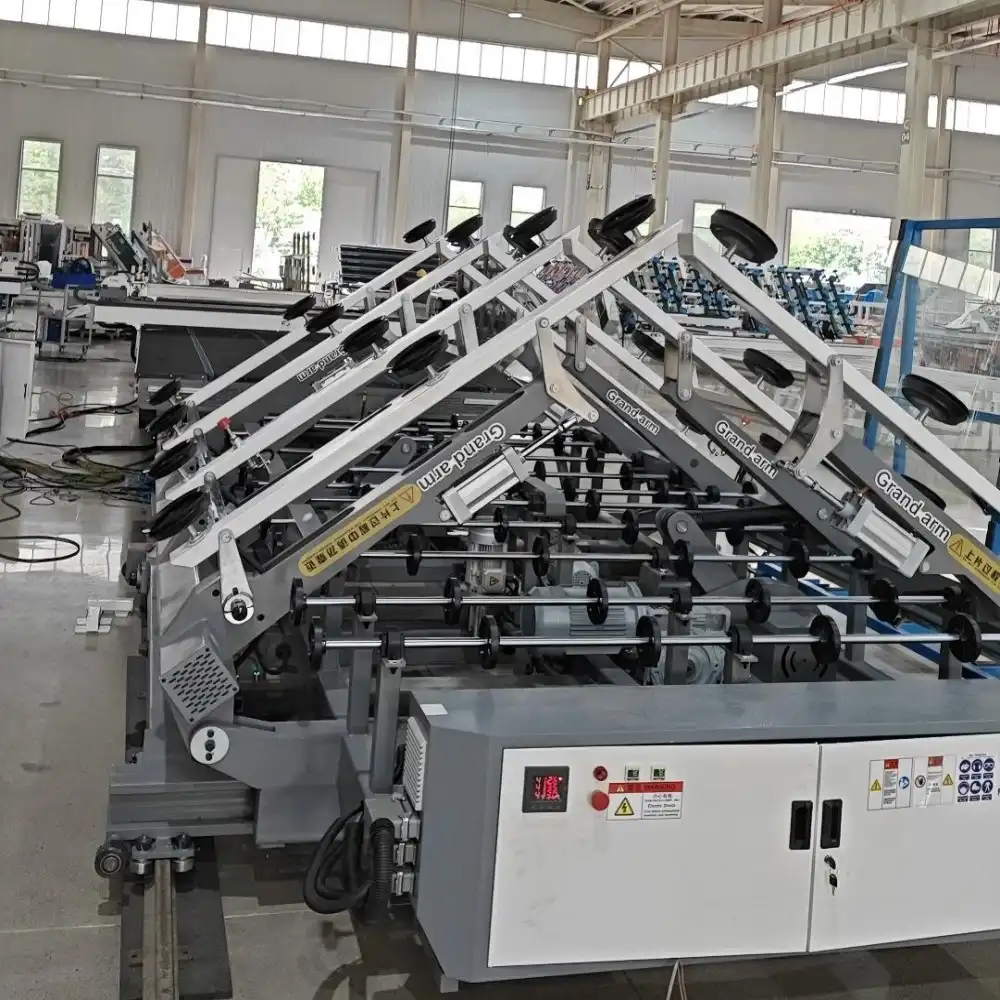
Adaptive controls distribute breaking power among the three grand arms on each side of the breaking table. These arms push perpendicular to the scoreline. This homogeneous tensile stress spreads fractures smoothly across covered layers without edge spalling or delamination. Force distribution algorithms accommodate glass form and layer thickness variations during cutting.
Safety Features Protecting Both Operators and Glass Integrity
Multiple safety features built into automated systems protect workers and maintain the quality of the glass at the same time. When safety boundaries are broken, emergency stop systems stop all motion within 0.5 seconds. This keeps equipment from getting damaged and people from getting hurt while maintenance or troubleshooting is being done. Enclosed cutting areas with interlocked access panels keep operators safe from glass particles in the air and keep environments clean so that coated surfaces don't get contaminated.
Frames made of strengthened steel profiles that reduce vibrations from cutting processes lower the mechanical resonance that they send. This structural stability keeps the accuracy of placement across the whole 3660x2800mm working area, which is very important for big artistic glass panels used in curtain wall assemblies. Technical managers who look at equipment specs put frame rigidity and damping traits at the top of the list as long-term markers of accurate dimensions and consistent edge quality.
Step-by-Step Guide: How Automatic CNC Glass Cutting Lines Work to Prevent Edge Damage
Loading and Positioning Coated Glass Sheets
There are vacuum suction zones on the filling table that hold glass sheets in place without putting pressure on the coatings' surfaces, which could damage them. Glass sheets are put on the table by operators or automated loading systems. Laser edge detection sensors check the dimensions and alignment of the sheets. Then, positioning actuators change the direction of the sheet to fit the programmed cutting patterns. This makes the alignment exact to within ±0.5mm.
Three big arms on each side of the loading table hold the edges of the glass while it is being moved to the cutting table. This spreads the weight out evenly so that the glass doesn't bend, which would put stress on the coating surfaces. This careful handling keeps the glass flat during the loading process, which is necessary to get the same cutting depth across the whole sheet surface.
Cutting Parameter Adjustment for Coated Layers
Before cutting starts, the automatic CNC glass cutting line gets parameters from the Optima software database that have already been programmed and are best for the coating type and glass thickness. The cutting wheel pressure, traverse speed, breaking force magnitude, and arm positioning coordinates are some of these parameters. Technical managers can change these settings based on the requirements of the coating supplier or the results of production tests. They can then store the new profiles and quickly use them during production runs.
The cutting head moves along pre-set tracks, making score lines that go through 15 to 25 percent of the thickness of the glass. For treated glass, the system slows down the cutting process near corners and along curvy sections where stress builds up and increases the risk of edge damage. This dynamic speed change stops coating delamination at key shape transitions that happen a lot in car windshield blanks and decorative furniture glass.
Real-Time Monitoring and Responsive Adjustments
Vision systems for glass cutting machine manufacturers constantly check the quality of the scoreline formation during cutting operations and find problems like crack patterns that don't line up or coating layers that come apart. When deviations happen, the control system takes corrective actions, such as slowing down the cutting speed, adjusting the pressure, or pausing the process so that a user can check it. This cautious method stops broken glass from getting to the point where the damage to the edges can't be fixed.
Real-time metrics like cutting speed, completed pieces, quality acceptance rates, and equipment status indicators are shown on production tracking dashboards. This information is used by plant managers to plan capacity and find ways to improve processes so that they can handle more work without lowering quality standards at the edges.
Post-Cutting Handling and Edge Integrity Preservation
After the glass is broken into smaller pieces, the breaking table conveyors move the finished products to collection areas. They do this by using soft polymer contact surfaces that keep the edges from getting damaged. Automated stacking systems stack pieces upright with protective paper interspersed between them. This keeps the edges safe during temporary storage and later processing steps like tempering or shaping.
The 2+2 station layout lets you remove finished glass while new sheets are being loaded onto the loading table at the same time, keeping the production flow steady. This increases working productivity by cutting down on handling steps that raise the risk of edge damage during manual movement between processing stages.
Selecting the Right Automatic CNC Glass Cutting Line for Low-E and Coated Glass Processing
Key Technical Specifications and Performance Criteria
Production directors choose an automated CNC glass cutting line based on criteria that affect equipment performance and product quality. The maximum size that can be processed influences project success. Curtain wall panels and large commercial glazing systems fit within our 3660x2800mm capacity. How quick the cutter is and how good the edges are affect throughput and job cost.
Positioning accuracy standards demonstrate how exact the equipment must be to minimise material waste and fulfil downstream processing tolerances. For precise measurements in insulated glass unit assembly and frameless glass door applications, methods that repeat within ±0.3mm throughout the working area provide continuous edge alignment.
Energy utilisation metrics determine the total cost of ownership and the equipment purchase price. Nowadays, servo-driven systems consume 30–40% less energy than hydraulic ones, yet regulate motion more accurately. Finance managers reviewing vendor offers for capital expenditures consider how much energy each piece of equipment will consume during its lifespan.
Evaluating Supplier Reliability and Support Infrastructure
So that equipment fulfils worldwide safety and performance requirements, procurement professionals evaluate manufacturers' ISO 9001 quality management certificates and CE compliance paperwork. Manufacturers that attend trade exhibitions like Glasstech Asia demonstrate their commitment to industry and technology. We often visit exhibits so prospective clients may see our solutions in action and discuss their requirements with technical specialists.
Technology performance and long-term expenses depend on after-sales support infrastructure. Regional service centers, 24-hour technical hotlines, and massive stocks of spare parts help manufacturers maintain output. Our support network provides multilingual technical documentation, remote diagnostics, and on-site assistance within 48 hours for catastrophic system faults.
New equipment training programs teach operators and maintenance workers how to maximise equipment use and minimise downtime. Full instruction encompasses machine operation, preventive maintenance, problem-solving, and software optimisation for various production settings and glass kinds.
Customization Capabilities and OEM Integration Options
System designers and curtain wall fabricators often need equipment that is set up in a way that fits the layout of their building or their specific production processes. During the planning stages of a project, our engineering team works with customers to come up with solutions that work with current quality control tools, material handling systems, and ERP software platforms. The modular design method lets you change the setup to add more stations, special tools, or custom software interfaces without having to rethink the whole system.
OEM partnerships make it possible to customize the equipment's branding and add features that are specific to an application. Custom tool path generation algorithms help companies that make furniture glass that has to work with complicated shapes, but companies that make glass for cars need specific edge finishing features built into their cutting line workflows. These joint development projects usually take between three and six months, from the first meeting to the final approval and training of operators.
Conclusion
In order to work with Low-E and polished glass without damaging the edges, you need high-tech tools that combine precise mechanics, smart software controls, and organized work methods. Modern automatic cnc glass cutting lines meet the quality and consistency standards that furniture makers, curtain wall installers, and architectural glass fabricators need to stay competitive in the market. The HSL-LSX3829 model is a good example of this kind of technology integration because it has three tables, the Optima optimization software, and adaptive force control systems that keep coatings safe while increasing throughput. When you choose the right tools, follow the maintenance instructions, and train your operators properly, you can create long-lasting production environments where the quality of the edges stays high across a wide range of coated glass specs.
Frequently Asked Questions About Processing Coated Glass
1. Can Automated Systems Completely Eliminate Edge Damage on Low-E Glass?
Automatic CNC glass cutting lines lower the rate of edge damage to less than 2% to 5%, compared to 15% to 30% for human processes. However, it is still not possible to completely eliminate edge damage because of differences in material properties and the way glass breaks naturally. The most consistent results are achieved by systems that have real-time tracking and adaptive controls. These controls find and fix process deviations before they cause flaws. Maintenance, replacing cutting wheels on time, and training operators all help lower the number of times damage happens across all output levels.
2. How Does Cutting Speed Influence Edge Quality on Coated Glass?
Cutting speed has a direct effect on how stress is distributed during the formation of a scoreline. Too fast of speeds cause too much heat buildup and cracks to spread laterally, which hurts the coating layers. Too slow speeds slow down production without improving quality in the same way. Depending on the thickness of the glass and the coating, the best speeds are usually between 80 and 120 meters per minute. Modern systems change speeds automatically based on comments received in real time, balancing the need for throughput with the importance of edge security.
3. What Factors Should Buyers Consider When Requesting Custom Equipment Quotes?
They should say what the biggest pieces of glass can be, what thickness ranges are normal, what kinds of coatings are used, how much throughput is needed, how much floor space is available, and how the new equipment needs to fit in with the old ones. Manufacturers can come up with the best options for your budget by taking into account things like total cost of ownership, chosen payment terms, and expected delivery dates. During the first meetings, it's important to be clear on what kind of after-sales support is needed, such as training, spare parts packages, and maintenance service agreements. This will help make sure that the proposal is complete.
Partner with HUASHIL for Precision Glass Processing Solutions
HUASHIL stands ready to support your coated glass processing needs thanks to our extensive customer service and proven skill in making automatic cnc glass cutting lines. As a trusted supplier to architectural glass fabricators, curtain wall system integrators, and furniture manufacturers around the world, we offer high-tech equipment that works reliably, so production directors and plant managers can rely on it for important manufacturing tasks.
Our HSL-LSX3829 model is the result of years of technical work to make it better for making Low-E and coated glass. We encourage you to look into how our solutions can help you make your production more efficient, improve the consistency of the edge quality, and lower your operational costs by making better use of materials and requiring less labor. You can email our technical team at salescathy@sdhuashil.com to talk about your application needs, set up equipment demos, or ask for full specs and quotes that are specific to your facility's needs.
References
1. Glass Processing Technology Association. (2022). Edge Quality Standards for Architectural Low-E Glass Products. Technical Publication Series, Vol. 18.
2. Chen, M., & Rodriguez, P. (2021). Automated Glass Cutting Systems: Performance Analysis and Optimization Strategies. International Journal of Manufacturing Technology, 115(7), 2343-2361.
3. National Glass Association. (2023). Best Practices Manual for Coated Glass Fabrication and Quality Control. Industry Guidelines Document.
4. Weber, K., Tanaka, H., & Schmidt, L. (2020). Mechanical Stress Distribution in Low-E Glass During CNC Cutting Operations. Journal of Materials Processing Technology, 287, 116-129.
5. European Committee for Standardization. (2021). Glass in Building: Cutting and Edge Processing Requirements for Coated Products. EN 12150-2:2021 Standard.
6. Liu, X., & Johnson, R. (2023). Economic Analysis of Automated Versus Manual Glass Processing Systems in Commercial Fabrication. Manufacturing Economics Quarterly, 41(2), 178-195.