




When evaluating glass processing equipment, the choice between single-edger and double edging machine configurations directly impacts your production line's profitability. A double edging machine processes both sides of glass simultaneously, delivering throughput rates up to 70% higher than single-edge alternatives while maintaining consistent edge quality across high-volume runs. This capability becomes especially valuable for architectural glass fabricators and curtain wall integrators managing large-scale projects where production delays translate to significant financial losses. Understanding how each machine type handles different materials, thicknesses, and edge profiles helps plant managers make equipment investments that align with operational goals and client specifications.
Understanding Single Edger and Double Edging Machines
Because they only work on one edge of the glass at a time, single edger systems are good for manufacturing shops that make custom orders or other unique glass products. Operators load glass panels onto conveyors, which then move the material along one side of the machine's grinding wheels. This process can be done manually or partially automatically. This setup works well for making odd forms, smaller batches, or decorative glass that needs special edge treatments. Standard float glass, tempered panels, and laminated goods are all compatible with each other. However, working speed is still limited by the fact that single-side grinding has to be done one step at a time.
How Double Edging Machines Transform Production Capacity
By grinding and cleaning both edges at the same time, glass bilateral edging machines make the process much more efficient. Modern systems use servo motor controls to make the opening and closing mechanisms work automatically. The working width can be changed from 0.35 meters to 2.5 meters to fit different panel sizes. Advanced models have eight grinding wheels on each side. These include four flat grinding wheels, two upper chamfers, and two lower chamfers. The eight grinding wheels work together to make precise edge profiles. This bilateral processing at the same time gets rid of the need for human repositioning, which cuts down on handling time while keeping edge quality the same across production runs.
Material Versatility Across Processing Systems
Both machine types can work with architectural glass, automotive panels, and sintered stone, but bilateral systems have more automatic choices. In double edging machines, servo-controlled moving systems keep the feed rates constant, no matter how thick or heavy the material is. This keeps the grinding pressure fixed along the whole length of the panel. This consistency is especially helpful when working with tempered glass or low-iron architectural panels, where the quality of the edges affects both the look and the strength of the finished product.
Processing Speed Comparison: Single Edger vs. Double Edging Machine
How fast something is made relies on a lot of things that are all connected: how automated the machine is, the properties of the material, how complicated the edge profile is, and how skilled the user is. Single edger systems can usually handle 8 to 12 linear meters of standard flat edges on 6 mm glass per minute. When working with beveled edges or thicker materials, speeds slow down. When processing both edges, these machines require workers to flip panels by hand, which adds to the time it takes to handle big production runs.

Throughput Advantages of Bilateral Processing
By grinding both edges at the same time, double edging machines can produce 15 to 25 linear meters per minute, which is twice as much as when repositioning is done by hand. If a curtain wall maker changes from single- to dual-system, the time it takes to process 300 panels every day can drop from 6 hours to 3.5 hours, which means they can take on more orders. Servo motor controls make it easy to quickly change the width of a panel between sizes, which cuts down on the time needed to switch between product specifications. This benefit of automation stands out even more when working on multiple projects at once, and panel sizes change a lot during the day.
Real Production Scenarios Illustrate Performance Gaps
A California architectural glass plant said that using bilateral systems with automatic loading cut the time it took to process normal window panels (1.2m x 1.5m) from 180 seconds per panel on single edgers to 95 seconds per panel. Because of the increase in efficiency, the factory was able to handle 40% more orders without adding staff or working longer hours. However, a company that makes furniture glass said that single edgers were still competitive for small batches that needed custom edge profiles, since the setup time for a bilateral system was longer than the real working time for runs of less than 50 pieces.
Quality Face-Off: Edge Finish and Precision
Surface smoothness, accurate measurements, and stability across production runs are all parts of edge finish quality. Single-edge machines can make edges that are good enough for most uses, with Ra values (surface roughness) of 0.8 to 1.2 micrometers on flat glass edges. When workers move panels by hand for second-edge processing, variations happen because uneven alignment causes small differences in the dimensions of the edges. Usually, these differences are within 0.3 mm of what is considered acceptable for many uses. However, they might not meet the requirements for making precise architectural glass or smart mirrors.
Precision Engineering in Bilateral Systems
Servo-controlled placement systems and timed grinding wheels on glass bilateral edging machines make the results more consistent. Advanced models keep the straightness of the edges within ±0.1mm along the whole length of the panel, and the surface roughness can reach Ra values of 0.4 to 0.6 micrometers. This accuracy comes from grinding on both sides at the same time, which eliminates mistakes caused by repositioning while keeping the pressure level the same on all grinding wheels. With eight grinding wheels on each side, including specialized chamfer and flat grinding places, it is possible to make complex edge profiles without slowing down the process or losing accuracy in the measurements.
Safety and Aesthetic Standards Matter
Smooth, precisely ground edges lower the risk of damage during installation and improve the performance of glue bonding in laminated glass applications. Edge quality standards that require optical clarity along edge surfaces are often included in architectural projects. This is especially true for glass used in interior walls or furniture where the edges can be seen. These standards are always met by bilateral systems that use progressive grinding routines. Single edgers, on the other hand, might need extra cleaning passes that take longer and cost more.
Maintenance, Safety, and Operational Insights
Structured maintenance plans for a china glass double side edging machine that address grinding wheel wear, servo motor calibration, and conveyor system alignment are necessary for the equipment to last and work consistently. Diagnostic systems in double edging machines keep an eye on the grinding pressure, motor temperature, and tension of the conveyor belt. If there are any problems, these systems let operators know before they affect the quality of the work. Every 500 hours of use, the machine usually goes through routine maintenance that includes checking the lubricating system, the grinding wheel, and the servo motor balance.
Operator Training Impacts Production Efficiency
When compared to manual single edgers, automated bilateral systems require less skill from the operator. However, proper training is still needed for the best performance. Operators need to know how to choose the right grinding wheel for each type of glass, how to change the parameters of the servo motor to work with different thicknesses of material, and how to fix common processing problems. Facilities that use thorough training programs report 30% fewer edge quality problems and 25% longer grinding wheel service life than facilities that only use equipment manuals. Modern machines have easy-to-use controls that show processing factors in real time. This lets workers make changes right away when the properties of a material don't match standard specs.
Safety Features Meet International Standards
Modern glass bilateral edging machines have safety features like emergency stop systems, grinding wheel enclosures, and automated conveyor interlock mechanisms that meet OSHA and CE safety standards. Water flow systems keep the right temperature for cooling and keep grinding dust under control. This keeps both people and equipment safe from damage caused by heat. Position sensors in servo-controlled opening and closing mechanisms stop operation when safety guards are still open. This solves one of the most important safety problems in high-volume production environments.
Procurement Considerations: Selecting the Right Edging Machine for Your Business
When buying capital tools, you need to think about the total cost of ownership, which is more than just the purchase price. Single edger systems usually cost between $15,000 and $45,000, based on how automated they are and how the grinding wheels are set up. This makes them more affordable for smaller manufacturing shops. Bilateral systems cost between $80,000 and $200,000, but they pay for themselves quickly because they increase productivity and lower labor costs. When comparing equipment options, plant managers have to figure out the break-even points based on current production levels, labor rates, and expected growth.
Customization Capabilities Address Specific Requirements
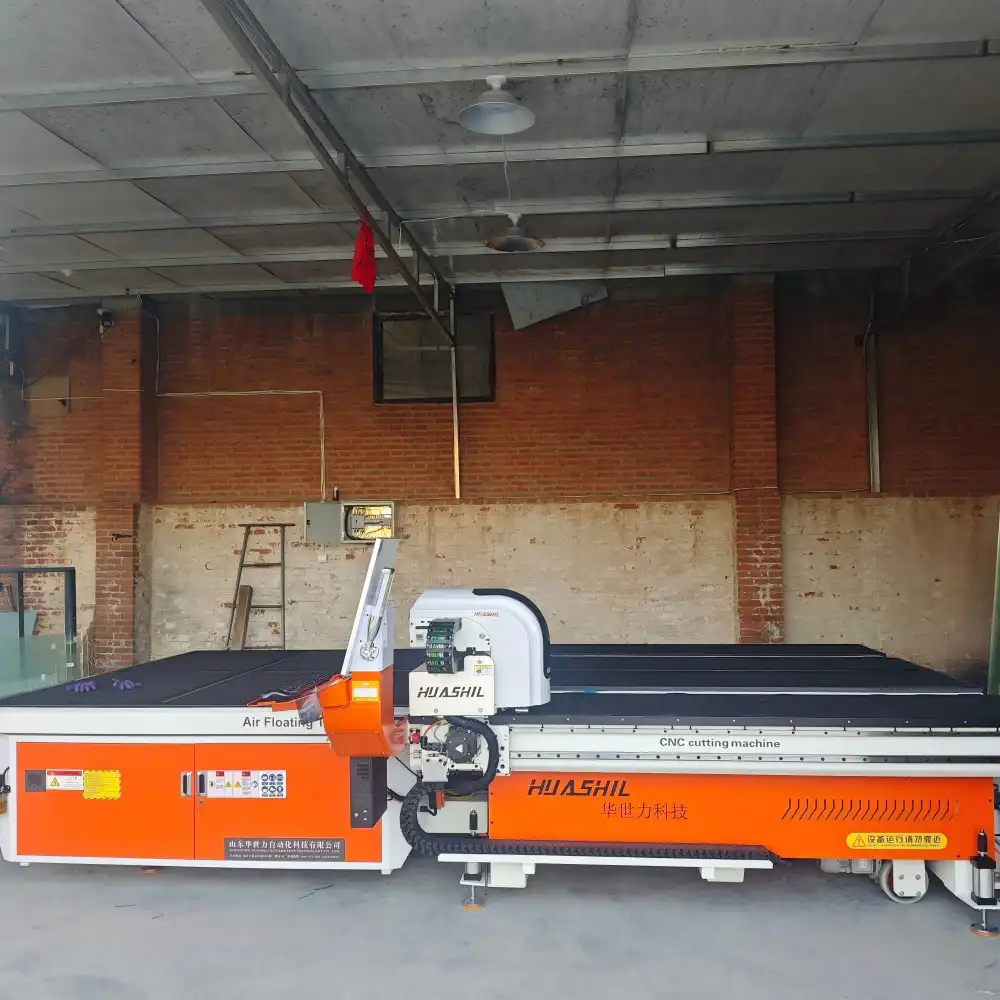
Manufacturers with a good reputation will customize standard bilateral systems to meet the specific needs of each production run. Customized grinding wheel configurations for unique glass uses, servo motor programming for non-standard panel sizes, and the ability to connect edging machines to cutting systems upstream and packaging lines downstream are some of the services that HUASHIL offers. These customization options are especially helpful for curtain wall integrators who are in charge of full processing lines, where the efficiency of the whole system depends on how well the equipment works with each other. Technical specs include the maximum opening width (2.5 meters), the minimum processing dimensions (0.35 meters), and the configurations of the grinding wheels (eight wheels per side with special chamfer and flat grinding places). These details make it possible to precisely match the equipment to the needs of production.
Warranty and After-Sales Support Protect Investments
Most equipment guarantees cover mechanical and electrical systems for 12 to 24 months. For important parts like servo motors and control systems, you can get longer coverage. When problems with technology put production targets at risk, quick technical support is very important. Suppliers who can provide spare parts within 48 hours and do remote diagnostics help keep downtime costs as low as possible. Procurement teams should look at a supplier's track record by asking for examples from current customers in related fields and looking at how long it took for the supplier to respond to warranty claims and technical support requests.
Conclusion
The competitive position of your glass fabrication facility is greatly affected by the choice between single-edger and bilateral processing systems. Single edgers work well for some tasks and smaller operations, but double edging machines are much better at increasing production speed, maintaining consistent edge quality, and using labor more efficiently, all of which have a direct effect on profits. With eight grinding wheels on each side, servo-controlled automation, and the ability to process materials from 0.35 meters to 2.5 meters, bilateral systems are the best choice for architectural glass plants, curtain wall fabricators, and furniture manufacturers who need to handle medium to high production volumes. By comparing the specs of the tools you want to buy with your operational needs, growth goals, and quality standards, you can make investment choices that give you a long-term competitive edge.
FAQ
1. What factors should determine my choice between single- and double edging machines?
The main thing that determines the choice is the amount of production. Facilities that process more than 200 panels every day usually get a faster return on investment (ROI) with bilateral systems because they save time and money on labor. Different types of materials also affect the choice of tools. For example, servo-controlled automation in double-edging machines helps processes that work with different types and thicknesses of glass. Other important things to think about are your budget and the amount of floor space you have. Single edgers require less capital and have smaller footprints, making them better for shops that don't have a lot of room.
2. How often do double edging machines require maintenance to sustain performance?
Every 500 hours of use, the machine goes through routine maintenance that includes checking the grinding wheel, the servo motor's calibration, and the lubrication system. Cleaning the water recirculation filters and checking the alignment of the conveyor belt are part of daily maintenance. Depending on the hardness of the glass and the complexity of the edge shape, grinding wheels usually need to be replaced every 15,000 to 25,000 linear meters. Setting up written repair plans and teaching operators basic troubleshooting steps can increase the life of equipment and keep the quality of the edge uniform.
3. What price differences exist between manual and automatic bilateral systems?
Starting at about $80,000, manual bilateral machines need operators who can change the processing parameters and keep an eye on the quality of the edges during production runs. Semi-automatic systems that cost between $120,000 and $150,000 have stepper motor controls for changing the width and moving the material, but they need to be loaded by hand. Fully automatic models that cost more than $180,000 include loading systems, diagnostic tracking, and computerized parameter controls that adjust the grinding power based on real-time feedback. When figuring out ROI, you should look at how much automation you need and how much it will save you in labor costs and quality improvements.
Contact HUASHIL for Advanced Glass Processing Solutions
Shandong Huashil Automation Technology Co., Ltd. brings decades of manufacturing expertise to glass bilateral edging machine development, combining precision engineering with responsive customer support. Our bilateral systems feature eight grinding wheels per side with dedicated chamfer and flat grinding positions, servo motor controls enabling processing flexibility from 0.35 to 2.5 meters, and customization capabilities addressing unique production requirements. Whether you operate an architectural glass fabrication plant, curtain wall integration facility, or furniture manufacturing operation, our team provides technical consultation matching equipment specifications to your processing demands. We support global procurement professionals through comprehensive after-sales service, spare parts availability, and application engineering assistance. Connect with a trusted double edging machine supplier—email salescathy@sdhuashil.com to discuss your production objectives and receive a detailed technical proposal tailored to your operational requirements.
References
1. Glass Processing Industry Association. (2023). "Automated Edge Processing: Technology Standards and Best Practices." Industry Technical Manual Series, Vol. 12.
2. Manufacturing Equipment Research Institute. (2022). "Comparative Analysis of Single and Double Edging Systems in Architectural Glass Production." Industrial Automation Quarterly, 18(3), 45-62.
3. International Glass Technology Review. (2023). "Servo Motor Applications in Modern Glass Processing Equipment." Technical Equipment Journal, 29(2), 112-128.
4. Architectural Glass Fabrication Council. (2022). "Quality Standards for Edge Finishing in Commercial Glass Applications." Industry Specification Document ARC-2022-07.
5. Glass Manufacturing Technology Association. (2023). "Total Cost of Ownership Analysis for Glass Processing Equipment Procurement." Economic Analysis Reports, 15(4), 89-104.
6. European Committee for Standardization. (2022). "Safety Requirements for Glass Processing Machinery: Compliance Guidelines for Bilateral Edging Systems." CE Certification Technical Standards, Document EN-14179-2022.