




If you manage a glass fabrication plant or production line, you already know how much a single loading error can cost — in broken glass, wasted time, and injured workers. The GTM glass loading machine addresses exactly these pain points. Developed by Shandong Huashil Automation Technology Co., LTD, it automates the entire glass feeding process with precision pressure control, air flotation support, and synchronous belt conveying. For plants processing architectural, furniture, or curtain wall glass, this machine delivers consistent output with far less manual intervention.
Understanding the GTM Glass Loading Machine and How It Works
Core Automation Design
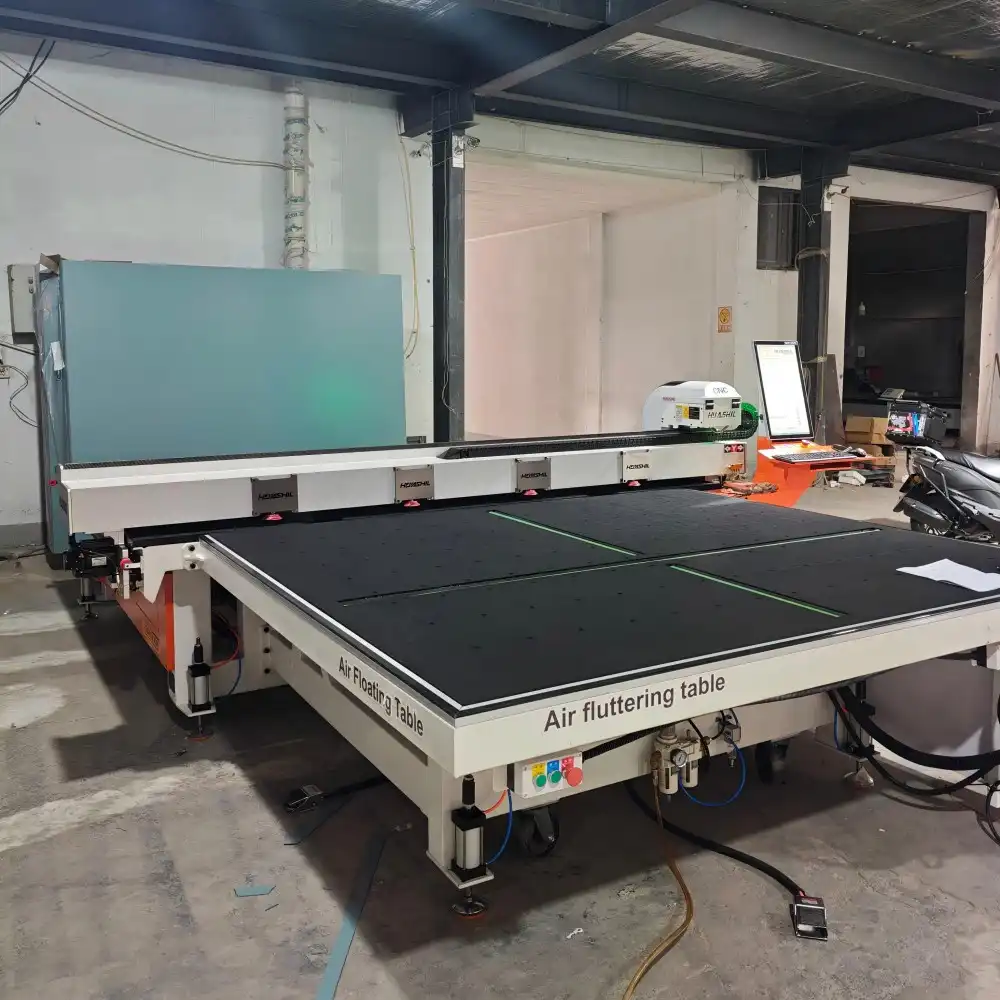
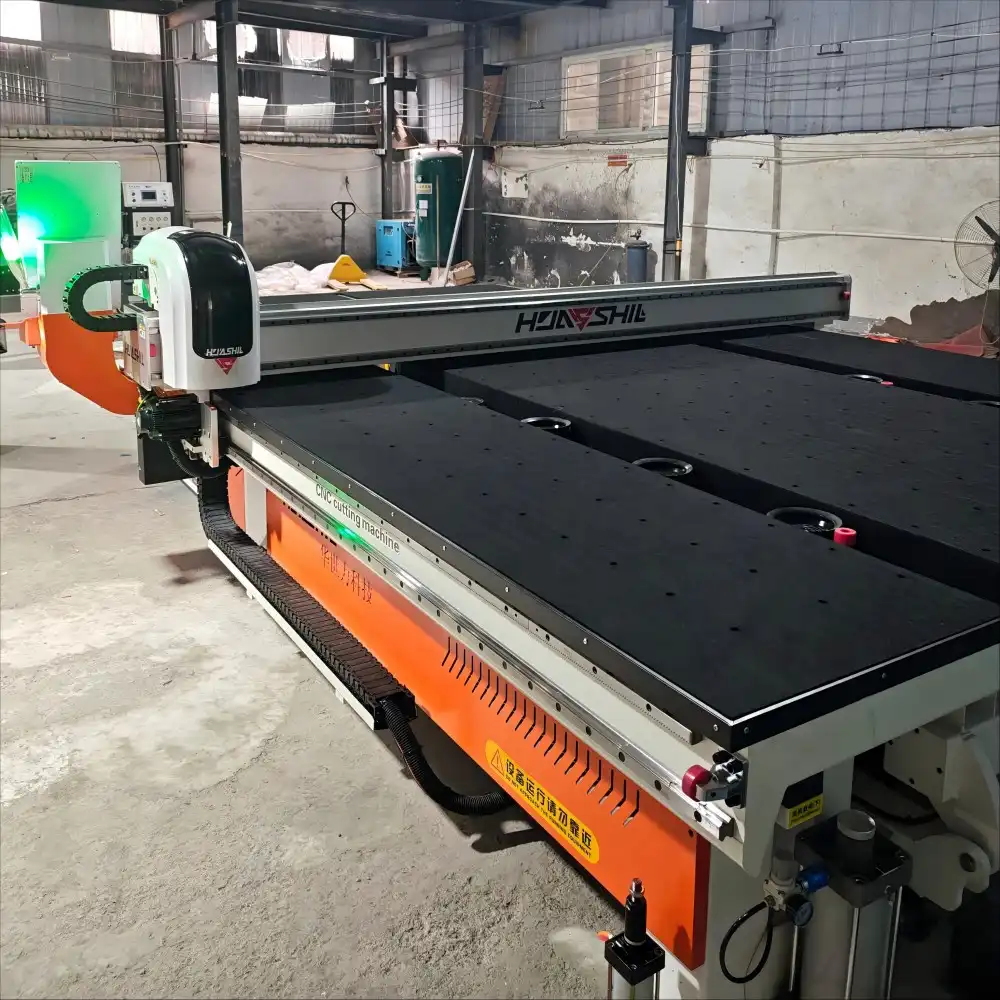
The Model HSL-YTJ3829 is based on a loading cycle that is fully automated. As soon as a glass sheet is put on the loading rack, the machine automatically feeds the glass onto the cutting table by sensing the edges and adjusting the suction pressure. Synchronous belts move sheets of glass, which keeps them steady and in line during the shift.
Key Technical Specifications
The HSL-YTJ3829 can cut glass that is up to 19 mm thick and up to 3,660 mm x 2,800 mm in size. It has Optima optimization software that figures out the best way to cut materials before any cuts are made. The machine has CE and ISO 9001 badges, which show that it meets safety and quality control standards around the world.
Air Flotation and Edge-Finding System
The air float system raises the glass off the table a little, which cuts down on friction and the chance of scratching the surface while it is being placed. Before cutting starts, automatic edge-finding makes sure that each sheet is lined up with the same point of reference. Together, these two features get rid of the guessing that comes with adding by hand.
Why Choose Automated Glass Loading Over Manual Methods
The Real Cost of Manual Loading
To load glasses by hand, workers need to be strong, pay attention, and be consistent, all of which change throughout the shift. The U.S. Bureau of Labor Statistics says that workers who make glass and glass products are more likely to get hurt than workers in other industrial fields. Each accident causes slowdowns, higher workers' compensation costs, and less work getting done.
Productivity Comparison
Automatic loading tools finish a run of loading in seconds and do it the same way for every sheet. In good conditions, a normal team of people who work by hand can load 40 to 60 sheets per hour. An automated glass loading line can accurately place more than 120 sheets of glass per hour. Over the course of a full production week, that difference grows.
Where Automated Loading Wins Long-Term
Yield rates have gone up in plants that have switched from manually loading glass to automatically loading glass. The cutting software can execute layouts more accurately when positioning is consistent. This cuts down on waste from offcuts and raw materials. Over the course of a year, the lower rates of breakage and scrap often make the equipment investment worth it.
Critical Benefits of Using the GTM Glass Loading Machine in Your Factory
The HSL-YTJ3829 has a number of technological benefits that directly fix problems that happen on the factory floor. Here are the main useful advantages this GTM glass loading machine gives you:
- Automatic pressure control adjusts suction force based on glass thickness, preventing surface damage on thin glass (2–6 mm) while maintaining a firm grip on thicker panels (up to 19 mm).
- 360-degree remote control walking allows the operator to reposition the loading arm from any angle on the floor, reducing the need to physically reach into the machine's working area.
- Built-in breaking table means the machine handles both cutting and breaking in one station, eliminating the need to transfer glass between separate workstations.
- Optima optimization software analyzes order batches and generates cutting plans that minimize material waste, directly reducing raw glass consumption per production run.
These benefits work together to cut down on the three biggest problems on the production floor: broken glass, needing too many workers, and wasteful use of materials. A plant that works two shifts a day can save a lot of money by cutting down on scrap and eliminating the time it takes to reposition things by hand.
Procurement Insight: Buying and Supporting Your Glass Loading Equipment
Total Cost of Ownership
One thing is price. When looking at automatic glass loading equipment, the cost of maintenance, the availability of extra parts, and the time it takes to install are all important factors. There are standard parts and easily accessible mechanical parts in the HSL-YTJ3829 that don't need to be sourced in a special way. This makes it possible to plan ahead for the prices of routine repairs.
After-Sales Support
Huashil gives you technical information in many forms, like wiring diagrams, maintenance schedules, and parts lists, so your engineering team can do routine maintenance without having to wait for a field technician. For tough problems, you can get direct video help. Spare parts are sent out within set wait times, which is important when a production line is down.
Payment and Delivery Terms
Letter of Credit (L/C) or deposit-plus-final-payment terms are used to handle standard foreign sales. When you place your order, you'll be told when it will arrive and given the paperwork you need to clear customs. Huashil creates project milestone plans and acceptance test standards to help your internal approval process for big production line projects that involve many GTM glass loading machines.
Where the GTM Glass Loading Machine Fits: Industry Use Cases
Architectural Glass and Window Fabrication
Large sheets that are hard to handle by hand are used in plants that make door glass, window panels, and curtain wall units. The HSL-YTJ3829 can handle glass panels up to 3,660 × 2,800 mm in size, which is a normal size for building panels. When loading is done automatically, positioning mistakes are less likely to happen on large panels, where even a small misalignment can cause a lot of material loss.
Furniture and Decorative Glass Production
Glass furniture makers, people who make shower doors, and people who make walls often work in mixed-size groups throughout the day. Batch optimization in the Optima program changes cutting plans between jobs so that they don't have to be recalculated by hand. This means that the machine can be used for tasks that have different order sizes as well as high-volume runs of a single product.
Sintered Stone and Construction Glass
When loading sintered stone panels or laminated construction glass, fabricators need to be able to precisely control the thickness. The HSL-YTJ3829's automatic pressure control system can handle different material densities, so it can be used for more than just float glass.
Conclusion
Glass processing plants are always under pressure to keep production going smoothly, cut down on breakage, and save money on labor. These issues are addressed by the Gtm glass loading machine, especially the Huashil HSL-YTJ3829, which has automation that has been technically tested, is widely certified, and is designed for use on the factory floor. Automated filling makes a difference in daily output, safety, and return, no matter if you run a high-volume architectural glass line or a mixed-batch furniture glass operation. When a company decides to buy automatic glass filling equipment, it's not just to buy something.
FAQ
1. How often does the HSL-YTJ3829 require scheduled maintenance?
Routine maintenance on the HSL-YTJ3829 follows a standard schedule covering synchronous belt inspection, suction cup condition checks, and lubrication of moving components. Most scheduled tasks are designed to be completed by in-house technical staff using the documentation Huashil provides. Major service intervals are typically aligned with annual production shutdowns to minimize line downtime.
2. Can this machine integrate with an existing cutting line?
Yes. The HSL-YTJ3829 is designed to connect with standard glass cutting table configurations. Huashil's engineering team reviews line layout drawings before delivery to confirm compatibility and recommend any necessary interface adjustments. This process reduces installation time and avoids disruption to your existing production setup.
3. What glass types can the machine handle?
The machine processes float glass, tempered pre-cut glass, and laminated glass within the 2–19 mm thickness range. The air flotation system and automatic pressure control make it adaptable across glass types without manual reconfiguration between batches.
4. Is the CE certification valid for U.S. market equipment standards?
CE certification confirms compliance with European safety directives, which are widely recognized as a benchmark in industrial equipment evaluation. U.S. buyers should confirm specific local compliance requirements with their facility management or procurement team. Huashil provides full technical documentation to support any additional certification review.
5. What is the lead time for delivery to the United States?
Lead time depends on order configuration and current production scheduling. Huashil confirms delivery timelines at order placement and provides shipping documentation suitable for U.S. customs clearance. Contact the sales team directly for current lead time estimates.
Partner with HUASHIL for Your Next Glass Loading Equipment Purchase
With full after-sales support, CE and ISO 9001 certification, and customization choices for OEM and full production line projects, HUASHIL makes and provides the GTM glass loading machine. We support plants across North America with technical documentation, spare parts, and direct engineering consultation as a verified Gtm glass loading machine supplier with years of export experience. To get a specification sheet or project quote right away, email salescathy@sdhuashil.com with your production needs.
References
1. U.S. Bureau of Labor Statistics. Occupational Injuries and Illnesses in Glass and Glass Product Manufacturing. 2022.
2. Glass Magazine. Automation Trends in Architectural Glass Fabrication. 2023.
3. International Organization for Standardization. ISO 9001:2015 Quality Management Systems — Requirements. 2015.
4. European Committee for Standardization. CE Marking and Industrial Machinery Directive 2006/42/EC. 2006.
5. Freedonia Group. World Flat Glass: Industry Study with Forecasts. 2023.
6. Manufacturing Engineering Magazine. ROI Analysis of Automated Glass Handling Systems in Float Glass Plants. 2021.