




A glass loading table with arm changes the way materials are moved in many industries by improving safety, accuracy, and efficiency. These specialised systems use automatic loading and air flotation technology to keep fragile glass sheets safe while they are being moved and processed. These solutions are used in many fields, from making architectural glass to making cars, to cut down on breakage, save money on labour, and keep quality consistent. Knowing which industries benefit the most helps procurement professionals buy equipment in a way that affects both production results and safety standards in the workplace.
Understanding the Glass Loading Table with Arm: Core Concepts and Safety
Defining the Equipment and Its Components
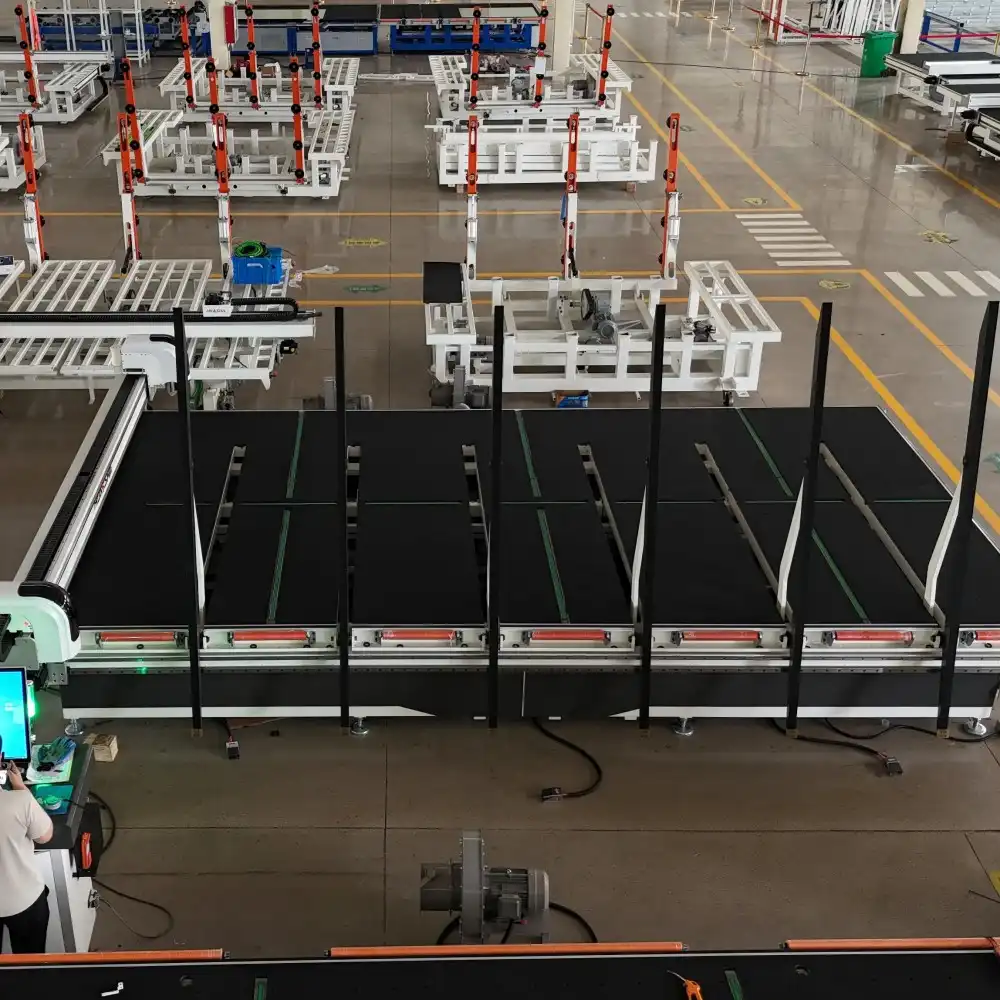
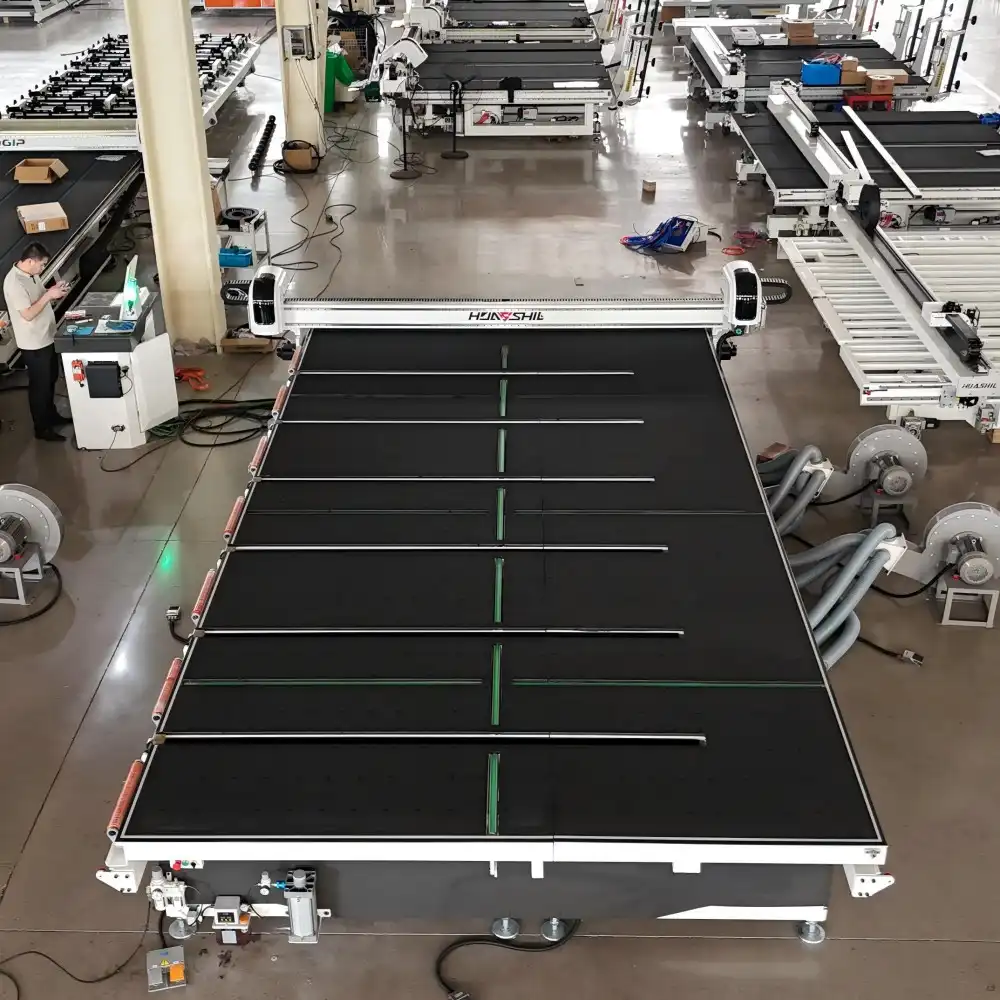
A glass loading table with an arm has a number of high-tech features that set it apart from other systems for moving things. The arm mechanism lets you move and lift glass sheets with precision, and the air float system puts a cushion of air under the material. This mix keeps the surfaces from touching directly, which stops scratches and tiny cracks that weaken glass. This way of thinking is shown by the HSL-SPT3624 model, which can handle glass sizes up to 3660x2440mm and has the ability to walk in any direction with a remote control. With these tables, tasks that used to be done by hand are now automated, making accuracy and consistency the norm rather than the exception.
Safety Protocols and Load Management
Safety rules must be followed to the letter when using any automated glass handling equipment. Glass thickness, surface area, and dynamic forces during movement must all be taken into account when figuring out the load capacity. To keep the glass suspended properly without touching the surface, the air flotation system needs to keep an eye on the pressure all the time. Modern designs have built-in emergency stop systems and overload safety features that help operators. Regular checks make sure that air systems keep the right pressure levels, that arm parts move smoothly without jerking, and that control interfaces do what they're told. When equipment is certified to meet CE and ISO9001 standards, it shows that it follows international safety rules. This gives plant managers confidence in their operational procedures.
Digital Tools Enhancing Operational Precision
Modern systems for loading glass are getting more and more digital monitoring and control interfaces. These tools keep an eye on how the load is distributed in real time and let workers know about any possible imbalances before they become problems. Software integration lets loading tables and processing equipment further down the line work together, making production lines that work together smoothly. Diagnostic tools can find maintenance issues before they happen, which cuts down on unplanned downtime. Some more advanced systems keep track of operational data, which helps production managers understand cycle times, how often equipment is used, and where the process is slowing down. With this data-driven method, tools stop being inactive and start being smart assets that help with efforts to keep getting better.
Industries That Benefit Most from Glass Loading Tables with an Arm
Architectural Glass and Window Fabrication
Architectural glass fabrication plants work with huge amounts of large-format glass sheets that are used in commercial buildings, housing developments, and curtain wall installations. There is always pressure on these businesses to boost output while keeping quality standards at zero defects. A glass loading table with arm solves both problems at the same time. The automated loading system gets rid of the physical stress and lack of consistency that come with handling things by hand, and the air flotation system keeps the surface from getting damaged, which would require expensive repairs. When combined with cutting and shaping tools, these tables make it possible for glass to move smoothly from raw material to finished panel, creating a continuous production flow. Models like the HSL-SPT3624 come with a breaking table that makes them more flexible by letting you control the separation of scored glass without having to do it by hand. Plants that switched from manual systems say that worker safety improved right away, and daily production capacity went up in a way that can be measured.
Curtain Wall and Construction System Integration
Fabricators of curtain walls have to meet very strict deadlines and follow very specific instructions. These companies usually buy whole production lines instead of single machines, and they look for suppliers that can give them complete automation solutions. The most important parts of these integrated systems are the glass loading tables with arms. The 360-degree walking feature on the remote control lets a single user put the table exactly where it needs to be, which can be useful for projects with different plans and needs. System designers like it when equipment can be changed without having to be re-engineered in a big way. Being able to handle glass panels with dimensions up to 3660mm x 2440mm means that most curtain wall panel sizes can be met without the need for multiple specialised machines. Curtain wall contracts often have penalties for late deliveries, so reliable technology has a direct effect on how much money the project makes.
Furniture and Interior Decoration Manufacturing
Glass furniture makers and shower door producers are in a separate market area with their own ways of doing business. Compared to architectural glass plants, these companies usually make a wider range of products in smaller quantities. A glass-filled table with an arm has the automation benefits of bigger systems while still being flexible enough to handle frequent changes. When they are being made, tabletop glass, shelving units, and unique shower walls all go through these loading systems. The anti-scratch surface protection is especially useful when working with unique finishes or decorative treatments that can't be fixed if they get damaged. In these jobs, where workers used to lift and place hundreds of glass pieces every day, ergonomic changes are very important. Getting rid of this physical burden lowers the risk of injuries and helps employers keep workers in competitive job markets.
Automotive Glass and Precision Manufacturing
When making automotive glass, the dimensions and quality of the surface must be very accurate. Windscreens, side windows, and rear glass must all fit perfectly into car bodies and meet strict optical standards. Any flaws on the surface or differences in the sizes of the parts make scrap that can't be retrieved. During the whole manufacturing process, air float glass loading tables keep the perfect condition that is needed. The automated control systems make sure that the cutting and tempering operations further down the line are always in the same place. Just-in-time delivery rules apply to automotive suppliers, which means that equipment reliability is very important. Unplanned breaks can mess up production plans and even stop assembly lines for cars. This high-stakes setting awards sellers who buy approved equipment that comes with quick technical help and extra parts that are easy to find.
Uses for renewable energy and smart glass that are just starting to appear
Making solar panels and smart mirrors are two places where modern glass handling equipment is being used more and more. Photovoltaic panels use big glass surfaces that need to be handled carefully to keep the coating's structure and stop tiny cracks from forming. Smart mirrors are made of glass with electronics and displays built right in. This makes the assemblies fragile and easy to break during processing. Both businesses need to be able to handle things without getting them dirty, place them precisely, and move things around gently. The air flotation technology works great in these situations because it doesn't create particles or mechanical stress. As these industries grow around the world, companies are looking for equipment suppliers that know how to handle speciality glass and are willing to work with them to find unique solutions to production problems.
Comparing the Glass Loading Table with the Arm to Other Load Management Solutions
Advantages Over Traditional Manual Handling
Handling glass by hand depends on the skill and physical ability of the person doing it, which makes every production cycle different. Human workers get tired during shifts, which lowers their performance and makes accidents more likely in the late hours. Traditional filling tables without arm systems need more than one person to safely place big sheets of glass, which increases the cost of labour. glass loading table with arm manufacturer air float devices change this scenario because they let one person handle things that would normally need two or three people to do. This benefit is increased by the 360-degree walking feature on the remote control, which lets workers stay in safe places while moving equipment. According to economic analysis, plants that switch from manual to automated glass loading usually see a payback period of less than two years. After that, they continue to save money on labour costs indefinitely.
Integration Capabilities Versus Standalone Solutions
Glass handling tools that work on their own aren't very useful in larger production processes. A loading table with an arm connects areas where materials are stored to areas where they are processed. Cutting systems, edging machines, and packing lines can all talk to the automatic control interfaces, which set up linked production processes. This integration feature cuts down on the amount of work-in-process goods and room space that is needed. From loading to processing, materials move directly through the process, with no stops along the way. When plants are building new facilities or remodelling old ones, they put equipment that supports this integrated approach at the top of their list of priorities. Suppliers who offer full system design help, such as plan optimisation and equipment scheduling, are more valuable than those who just sell tools without thinking about how to make the whole process more efficient.
Digital Versus Pneumatic Control Systems
Modern glass filling tables have complex control systems that use both mechanical and computer accuracy to move the glass. Controlling the air pressure inside the air flotation mechanism is what makes the cushion effect. Digital controls decide where the arms go, how the table moves, and the order of the operations. This approach is a mix of pneumatic systems' strength and dependability with digital controls' accuracy and ability to be programmed. When plant managers look at new tools, they should carefully think about the design of the control system. Interfaces that are easy to use cut down on the need for training and operating mistakes. Diagnostic features make fixing problems easier when they happen. Predictive maintenance strategies that stop failures instead of just fixing them when they happen are made possible by remote monitoring options that are becoming more common in high-end equipment.
How to Select and Procure a Glass Loading Table with an Arm for Your Business
Identifying Your Operational Requirements
A full study of output needs and building limitations is the first step to effective buying. The required table size is based on the largest size of the glass that can be processed. For example, the HSL-SPT3624 can handle 3660x2440mm. The amount of production determines whether it makes more or less economic sense to have one or more loading stations. The layout of the building affects whether being able to walk in all directions is useful or just adds extra work. Integration needs depend on the processing equipment that is already in place and the amount of automation that is planned. Before hiring suppliers, technical managers should write down these exact parameters. This planning makes it possible to have useful technical conversations and ensures that quotes are based on real needs instead of general requirements.
Evaluating Manufacturers and Building Supplier Relationships
When choosing a glass loading table with an arm maker, you need to look at both the quality of the product and how well it can be organised. Certifications like CE and ISO9001 help make sure the quality of a product, but they don't completely set one supplier apart from another. Look into manufacturing experience with glass processing equipment instead of general industrial machinery. Look at case studies and examples of installations that were done in similar situations. Check out the infrastructure for after-sales support, such as the availability of spare parts, the speed with which technical support responds, and the service network's coverage in your area. Shandong Huashil Automation Technology has been making things and exporting them internationally for decades, which shows that it has these skills. Newer companies are riskier than companies that have been around for a while. This is especially true for capital equipment that needs to work reliably for a long time.
Structuring Procurement Processes for Complex Equipment
The equipment used to handle large amounts of glass is expensive and needs to be bought in a structured way. Engineering teams that will use and take care of the tools should be part of the technical review. When judging a business, you need to look at the total cost of ownership, not just the purchase price. Think about how much it will cost to install, train operators, and do regular maintenance. When planning the start of a new production line or the growth of a building, delivery dates are very important. When you buy something internationally, you have to think about things like shipping logistics, clearing customs, and changes in the value of the currency. Most payment terms include deposit structures or lines of credit that cover both the buyer and the seller. Set up clear lines of communication right away. Getting the right tools rests on working together to solve problems during the planning, building, and start-up stages.
Future Trends and Innovations in Glass Loading Tables with Arm
Automation and Artificial Intelligence Integration
Automation in glass processing keeps getting better as it moves toward fully self-sufficient production cells. Vision systems will be built into future filling tables with a glass loading table with arm manufacturer to instantly check the measures of the glass and find surface flaws before processing starts. Machine learning algorithms will figure out the best way to load things based on production schedules and the availability of equipment further down the line. These smart systems will be able to talk to each other across whole production lines and change the settings in real time to improve quality and speed. The business is moving from being handled by an operator to being semi-automated to being fully autonomous. Companies that are buying equipment now should think about ways to keep their investments safe as technology changes.
Connectivity and Predictive Maintenance
Connecting equipment to the industrial internet of things turns it from a stand-alone asset into a networked production resource. Sensors built into the loading tables constantly check the operational parameters and notice small changes that happen before mechanical failures. Predictive maintenance algorithms look at this stream of data and plan maintenance work for planned breaks instead of waiting for breakdowns to happen. With remote diagnostics, companies like Huashil can help customers before they even know there are problems, sometimes finding and fixing them before workers even know there are problems. This connection also makes production analytics possible, which finds ways to improve things that can't be seen with normal monitoring.
Customization and Flexible Manufacturing
As the glass business becomes more diverse, it needs handling tools that can be used in more situations. Loading tables need to be able to handle different types, thicknesses, and sizes of glass without having to be completely rearranged. This is possible with modular systems that let you change how the arms and table extensions are set up. Software-defined control systems let you change parameters for different products very quickly. Companies that are good at customisation and OEM/ODM development will be able to take market share away from companies that only make standard products. The move toward custom solutions is part of a larger shift in manufacturing away from mass production and toward mass customisation, where production systems change to different products instead of causing them to be all the same because of limits in equipment.
Conclusion
Glass loading tables with arms deliver transformative benefits across architectural fabrication, curtain wall integration, furniture manufacturing, and automotive glass production. These systems combine automated handling, air flotation technology, and precision control to eliminate breakage, reduce labor costs, and improve workplace safety. Successful procurement requires careful specification of operational needs, thorough supplier evaluation, and consideration of total ownership costs beyond initial purchase price. The HSL-SPT3624 model represents current capabilities with its 3660×2440mm capacity, automatic loading, and remote control operation. Future developments in connectivity, artificial intelligence, and flexible automation promise continued evolution of these critical production assets.
FAQ
1. What glass dimensions can loading tables with arms handle?
Equipment specifications vary by model and manufacturer. The HSL-SPT3624 accommodates glass sheets up to 3660×2440mm, covering most architectural and automotive applications. Custom configurations can address larger or specialized dimensions when production requirements justify the investment.
2. How does air flotation technology protect glass surfaces?
Air flotation systems pump compressed air through small ports across the table surface, creating a thin cushion that suspends glass sheets without direct contact. This eliminates friction and prevents scratches, maintaining optical quality throughout handling and processing operations.
3. What maintenance do automated loading tables require?
Regular maintenance includes pneumatic system inspections, control interface testing, and mechanical component lubrication. Equipment meeting ISO9001 standards includes detailed maintenance schedules and procedures. Preventive maintenance intervals typically range from weekly visual inspections to quarterly detailed examinations, with major servicing annually.
Partner with HUASHIL for an Advanced Glass Loading Table with Arm Solutions
HUASHIL combines decades of manufacturing expertise with comprehensive customer support to deliver glass handling automation that transforms production operations. Our glass loading table with arm systems features CE and ISO9001 certification, ensuring compliance with international quality and safety standards. As an established manufacturer, we provide complete technical documentation, operator training, and responsive after-sales support, including readily available spare parts. Whether you need standard configurations or customized solutions integrated into complete production lines, our engineering team collaborates closely with your technical staff to develop optimal specifications. Contact our team at salescathy@sdhuashil.com to discuss your specific requirements and receive a detailed quotation tailored to your operational needs.
References
1. Glass Manufacturing Industry Council, "Automation in Flat Glass Processing: Safety and Efficiency Standards," Industrial Glass Technology Review, 2023.
2. International Standards Organization, "ISO 9001:2015 Quality Management Systems for Glass Processing Equipment," Geneva, 2022.
3. American Architectural Manufacturers Association, "Best Practices for Curtain Wall Fabrication Automation," Technical Publication Series, 2023.
4. Occupational Safety and Health Administration, "Material Handling Safety Guidelines for Glass Manufacturing Facilities," U.S. Department of Labor, 2022.
5. European Committee for Standardization, "CE Marking Requirements for Industrial Glass Processing Machinery," Brussels, 2023.
6. Advanced Manufacturing Research Institute, "Predictive Maintenance and IoT Integration in Glass Processing Equipment," Technology Forecast Report, 2024.