




A precision-engineered automated industrial glass cutting table cuts big glass sheets precisely and efficiently. These specialised systems speed glass production in architectural, automotive, and furniture manufacture using cutting heads, synchronised conveyor systems, air flotation technology, and vacuum stabilisation. In high-volume manufacturing situations, computer-controlled cutting tables save manual labor, material waste, and quality significantly.
Understanding Industrial Glass Cutting Tables
Over the last few decades, glass processing technology has altered the industry. The transformation from laborious human scoring and breaking to completely automated devices that can handle large glass sheets with micrometer accuracy has been tremendous.
Core Components and Technological Integration
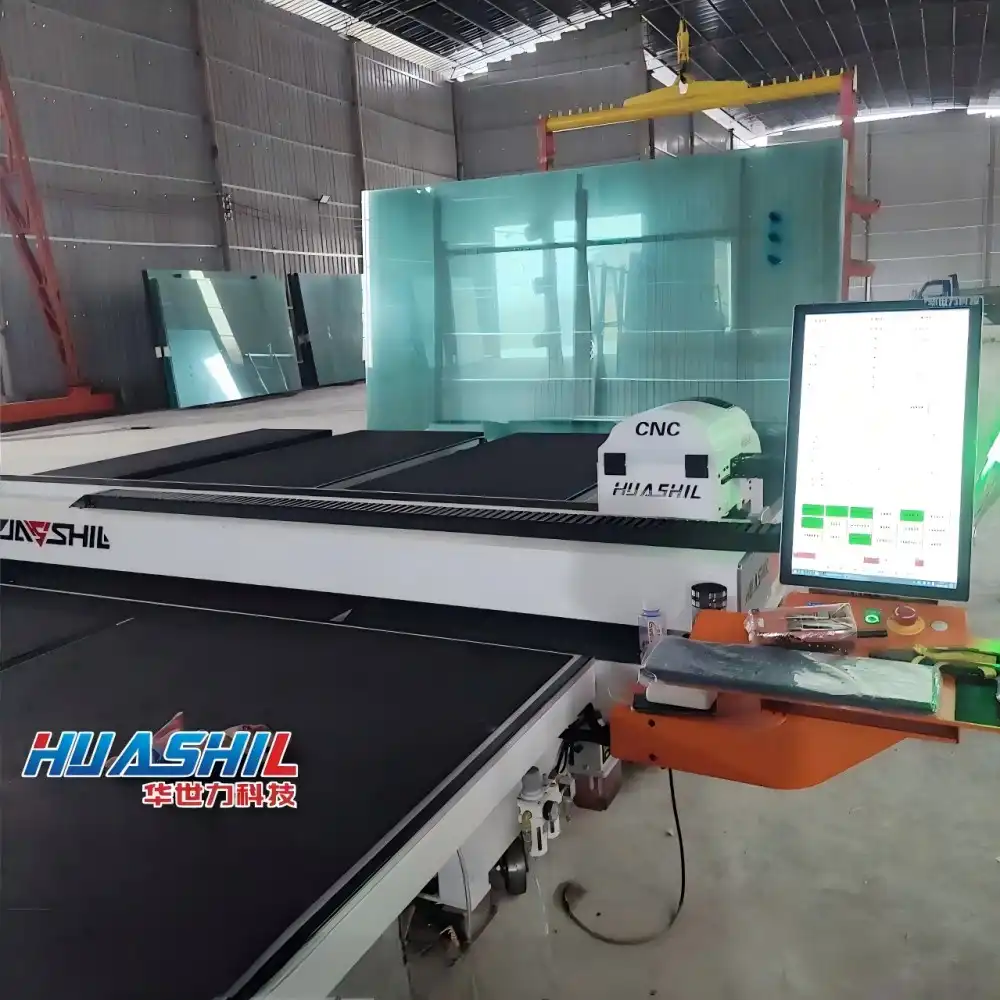
Modern glass cutting systems have integrated, coordinated parts. Optimization software like Optima generates patterns for the diamond or tungsten carbide cutting head to follow on the glass surface. This program optimizes cutting plans to maximize material use and minimize waste.
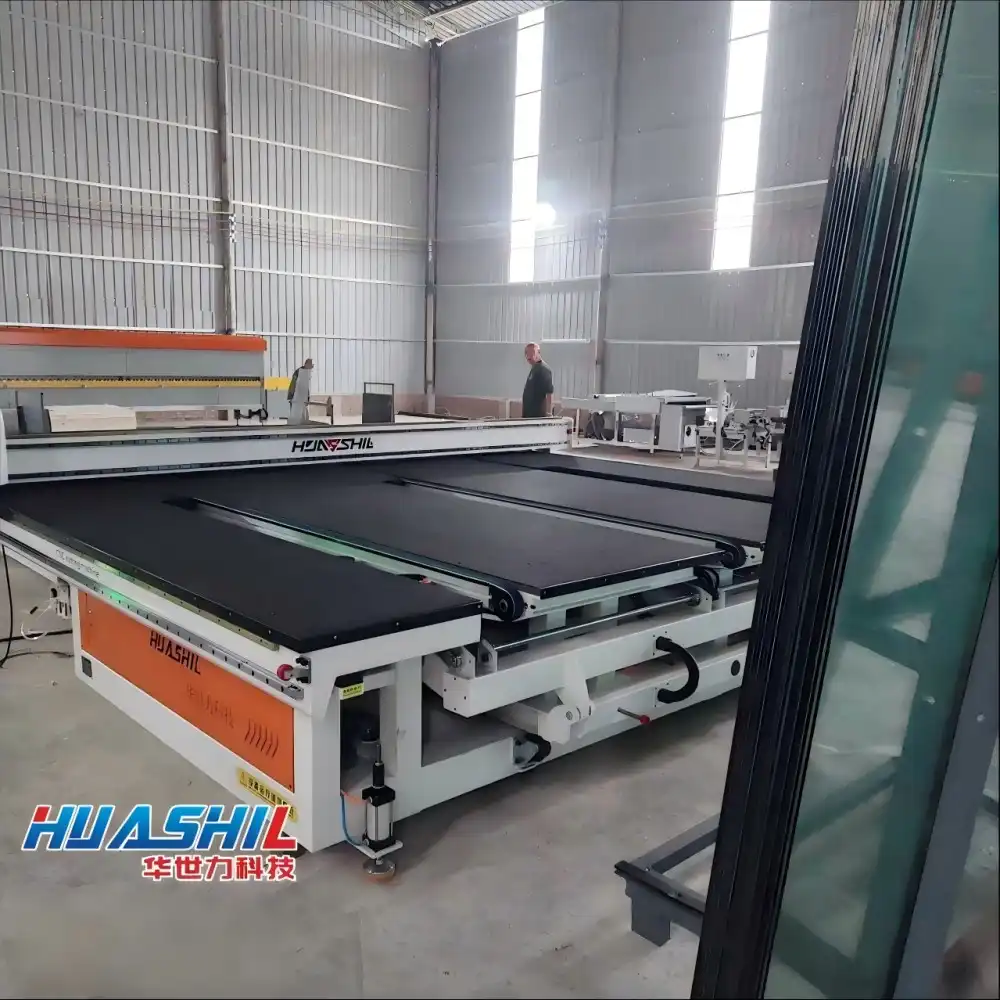
Belt conveyors move glass sheets through the production procedure, while vacuum tables hold materials during cutting. Air float decreases glass movement friction, reducing scratches and making heavy sheet positioning easy. System-integrated breaking tables let operators safely separate cut parts without manual manipulation.
Operational Workflow and Automation Benefits
Automation integration distinguishes modern equipment from older models. Automatic pressure control adjusts cutting power dependent on glass thickness, from delicate 2mm sheets to sturdy 19mm architectural panels. Automatic loading systems remove human sheet placement. Automatic edge-finding technology aligns sheets before cutting, adjusting for tiny sheet placement differences.
The HSL-YTJ3829 model utilizes remote control to manage glass diameters up to 3660×2800mm and lets technicians operate the cutting process from a safe distance. Curtain wall fabricators and architectural glass processors handling large commercial building panels need this capacity.
Historical Perspective on Glass Cutting Technology
Traditional glass cutting needed expert artisans to score glass manually using portable instruments and apply regulated pressure to snap pieces along score lines, which was inconsistent and wasteful. In the 1980s, a semi-automated industrial glass cutting table enhanced precision but required human interaction. CNC technology enabled complicated cutting patterns, layered layouts, and repeatable precision, changing manufacturing costs.
Types of Industrial Glass Cutting Tables and Their Applications
Recognizing equipment types helps procurement teams match capabilities to production needs. Automation levels and system configurations affect initial investment and operating efficiency.
Automatic Versus Semi-Automatic Models
Fully automated cutting tables finish the processing phase with minimum human interaction. When operators load glass sheets onto input conveyors and select cutting patterns using touchscreen interfaces, the system automatically loads, cuts, breaks, and sorts. These systems are suitable for high-volume makers of standardized items when throughput justifies expenditure.
Semi-automatic versions automate cutting but require user input for loading and piece removal. For mid-sized enterprises or specialist fabricators handling unique orders with frequent pattern changes, these machines provide significant productivity advantages over manual processes at reduced prices.
Vacuum System Integration and Stabilization
Vacuum tables eliminate sheet movement during processing, improving cutting precision. Suction from perforated work surfaces and vacuum generators holds glass securely, especially when processing thin sheets or cutting complicated designs. To guarantee dimensional accuracy, automotive glass makers cutting curved windshield blanks use vacuum stabilization.
Without a vacuum, mechanical clamps or edge restraints function well for thicker architectural glass but lack the universal holding force of a vacuum. Air flotation supports glass before vacuum activation, allowing operators to modify heavy sheets with fingertip control.
Capacity Specifications and Customization Options
Standard cutting tables handle glass sheets up to 3.3x2.4 meters, commonly used in residential and commercial construction. For high-rise façade installations, curtain wall integrators need technology to process jumbo sheets over 6 meters long.
Thickness capacity is important too. The 2-19mm range includes shower enclosure tempered glass, laminated automotive glazing, and heavy architectural panels. Equipment that cuts these increasingly common materials using similar principles benefits sintered stone and artificial stone manufacturers; changed cutting heads and settings may be needed.
Benefits of Using an Industrial Glass Cutting Table
Investment in automated glass processing equipment yields many performance benefits. These benefits justify capital spending to finance departments and clarify production management operational improvements.
Enhanced Precision and Production Throughput
Precision in computer-cutting ensures ±0.5mm tolerances for curtain wall panels, fulfilling architectural criteria that impact installation efficiency and weatherproofing. Precision reduces fit-up issues in manual cutting processes, lowering on-site adjustment time and installation costs.
Continuous operation and shorter cycle periods boost throughput. Automated loading and synchronization conveyors keep material flowing, while optimization software nests numerous pieces in one sheet to maximize cuts per hour. From manual to completely automated systems, manufacturers report 200-300% output gains.
Material Waste Reduction and Quality Consistency
Optimization methods reduce unwanted leftovers in cutting plans, increasing material output by 8-15% above human design. These savings significantly reduce yearly manufacturing costs, especially given escalating glass pricing and supply chain unpredictability.
Beyond dimension accuracy, quality consistency includes edge quality and breaking rates. Automatic pressure control accurately adjusts cutting power for clean, micro-fracture-free scores. Consistency decreases rejections and rework, safeguarding tight-specification contract profit margins.
Safety Improvements and Ergonomic Advantages
Manual glass handling can cause wounds from sharp edges, back strain from lifting large sheets, and repetitive motion injuries from scoring. On the industrial glass cutting table, mechanical handling and remote operation protect personnel from these threats in automated systems. Technicians may handle cutting sequences from safe places away from moving gear and glass edges using a 360-degree remote control.
Ergonomics reduces operator fatigue, extending equipment life. In an industry where competent personnel are hard to find and keep, automated system supervisors improve work satisfaction and reduce turnover.
Long-Term Financial Returns and ROI
Total cost of ownership must include labor savings, waste reduction, quality improvements, and maintenance. With adequate maintenance, automated cutting tables may pay for themselves in 18–36 months in medium to high-volume operations, with yearly savings lasting 10-15 years.
In markets with skilled worker shortages or rising wages, reduced labor needs are desirable. Automation that formerly needed three to four manual cutters may be operated by one person, altering production economics. Standardised component maintenance plans reduce unplanned downtime, safeguarding project-based manufacturing supply obligations.
How to Operate and Maintain Your Industrial Glass Cutting Table?
Understand operating processes and apply systematic maintenance practices to maximize equipment performance and lifetime. These methods preserve capital investments and ensure output quality.
Preparation and Operational Best Practices
Before cutting, the glass is prepared. Cleaning removes dirt that might damage surfaces or hinder vacuum adherence. Inspect sheets for chips, fractures, or impurities that might proliferate during cutting and break.
Checking the cutting wheel condition, vacuum system pressure, and control interface loading cutting programs prepares the machine. The program automatically adapts cutting parameters—pressure, speed, and cutting oil flow—for the glass thickness and type selected by operators.
Cutting various glasses needs parameter changes. Since treated glass cannot be cut, it requires special handling. Laminated glass requires pressure to score both layers without delaminating the interlayer. Low-iron architectural glass and coated energy-efficient windows may need specific cutting wheels to prevent coating damage along cut edges.
Maintenance Protocols and Troubleshooting
Daily examination and repair of worn cutting wheels should be part of routine maintenance. Maintain suction by cleaning the vacuum table perforations regularly and checking the air flotation system performance to move glass smoothly. For tracking-free synchronous belt conveyors, tension and alignment must be adjusted periodically.
Cutting accuracy is maintained via calibration. Use precise measurement equipment to check cutting head placement accuracy regularly and readjust if variances exceed requirements. Manufacturers update optimization software with updated nesting algorithms or material libraries to boost speed.
Indiscriminate score line breaking often indicates inadequate cutting pressure or dull wheels. Sheet movement while cutting indicates vacuum system issues, necessitating vacuum generator, hose, and table surface examination. Slipping conveyor belts imply tension adjustment, whereas jerky motion indicates motor system difficulties needing lubrication or component replacement.
Safety Protocols and Personal Protective Equipment
Operating procedures should require safety eyewear, cut-resistant gloves for glass, and steel-toed shoes. Limit qualified individuals to safety zones surrounding equipment during operation. To work, emergency stop buttons must be accessible and tested.
Lockout/tagout protects maintenance workers during service. Electrical disconnects, pneumatic system isolation, and service mode equipment location minimize major accidents from sudden restarts. Regular safety training strengthens processes and alerts operators to changing production threats.
Choosing the Right Industrial Glass Cutting Table for Your Business
Equipment selection affects output, operational costs, and competitiveness over time. A systematic review helps match equipment specifications to current demands and growth.
Evaluating Key Specifications and Features
Cutting capacity is the main requirement—equipment must cut the biggest glass sizes your applications need with room for expansion. The HSL-YTJ3829's 3660×2800mm capacity is ideal for architectural and furniture applications; bigger formats may be needed for curtain wall work. The 2-19mm thickness range includes conventional commercial glass types, but check compatibility with unusual materials you produce.
Comparing Automated and Manual Processing Methods
Manual cutting is still used in creative glass studios, restoration workshops, and low-volume specialist applications where technology investment is unjustified. One-time bespoke forms are most flexible using these approaches, but productivity and consistency are limited.
Automation excels in repetitive cuts, great quantities, and close tolerances. A furniture maker cutting 50 glass tabletops every day saves labor, improves quality, and boosts throughput, changing business economics. Architectural glass fabricators bidding competitive commercial contracts require automated accuracy to achieve specs and minimize costs.
Manual operations make 15-25 cuts per hour, depending on complexity, whereas automated tables make 60-100+ cuts per hour with better precision. This productivity differential builds over production changes, altering industrial capacity and competitiveness.
Assessing Vendor Reliability and After-Sales Support
Equipment is expensive and requires years of vendor cooperation. Assess manufacturers by industry repute, installed base size, and similar application customer references. Certifications like CE and ISO9001 guarantee design integrity and production procedures through international quality and safety standards.
After-sales assistance is crucial to long-term pleasure. Check spare parts availability and delivery times—production downtime waiting for parts costs more than the parts. Technical help by phone, email, and remote diagnostics enables quick problem-solving. Operator and maintenance training boosts capacity and equipment use.
For the industrial glass cutting table, beyond component failures, warranties should include performance and reaction time. Service contracts estimate maintenance expenses across equipment lifecycles, while warranty exclusions minimize surprises. Equipment-only vendors are less valuable than those that supervise installation, train operators, and optimize output.
Customization and OEM Capabilities
Standard equipment configurations work for many applications, but specific needs necessitate adaptation. Curtain wall system integrators may need customized conveyors that interface with particular handling equipment, while furniture makers may need unique breaking tables for their product mix.
Building bespoke manufacturing systems or generating competitive advantages through unique processing capabilities requires OEM and ODM assistance. Custom solutions like customized capacity, specialty cutting heads, and integrated quality checking systems help vendors stand out in crowded marketplaces. Quick prototype development and flexible change methods speed up project schedules, bringing new capabilities to market faster than rivals.
Conclusion
Precision, productivity, and quality consistency make industrial glass cutting tables revolutionary investments for businesses. Modern automated systems like the HSL-YTJ3829 boost production, material use, and workplace safety. Knowing equipment types, operational needs, and vendor skills helps connect technology expenditures with company goals. Moving from manual to automated processing affects industrial economics, positioning forward-thinking organizations for growth in competitive markets where precision and efficiency are key.
FAQ
Q1: What maintenance plan optimizes performance?
Daily maintenance involves checking cutting wheels and removing glass debris from work surfaces. Weekly chores include vacuum system maintenance and perforated table cleaning. Monthly calibration checks cutting accuracy, while quarterly inspections include conveyor systems, lubrication points, and electrical connections. Manufacturer-recommended regimens in equipment manuals improve dependability and service life.
Q2: Can the same cutting table handle different glass thicknesses?
Automatic pressure control allows vast thickness ranges in modern equipment. The HSL-YTJ3829 automatically adjusts cutting force, wheel pressure, and traverse speed according to user input for 2mm to 19mm materials. Software profiles optimize settings for annealed, tempered blanks, and laminated glass, assuring clean scores and dependable breaking across your product line without human modifications between processes.
Q3: How do automated and semi-automatic models differ operationally?
Fully automatic systems load, position, cut, break, and sort pieces with minimum user interaction. Semi-automatic cutters require human loading and removal. Automatic versions enhance throughput in high-volume conventional production environments, whereas semi-automatic systems are flexible and cheaper for bespoke fabrication with frequent pattern changes and varying production runs.
Partner with HUASHIL for Advanced Glass Processing Solutions
Shandong Huashil Automation Technology has been a trusted industrial glass cutting table manufacturer for decades via engineering excellence and customer-focused innovation. Our HSL-YTJ3829 automated cutting system gives architectural glass fabricators, curtain wall integrators, and furniture makers the accuracy and dependability they need in competitive markets. We use strong mechanical design and sophisticated automation—automatic loading, edge detection, and air flotation systems—backed by CE and ISO9001 certifications to ensure quality.
Our technical staff assists with equipment selection, installation, operator training, and optimization. We understand how production managers struggle to justify capital investment and automate procedures. Contact salescathy@sdhuashil.com to discuss your needs, schedule equipment demos, or request customized technical specs and ROI studies. Explore our entire glass processing solutions at huashil.com to improve your production capabilities and competitiveness.
References
1. Glass Processing Technologies and Automation Systems, International Journal of Manufacturing Engineering, 2022.
2. Architectural Glass Fabrication: Equipment Selection and Operational Best Practices, Construction Materials Technology Press, 2021.
3. Industrial Automation in Glass Manufacturing: Efficiency and Quality Improvements, Advanced Manufacturing Research Institute, 2023.
4. Comparative Analysis of Manual and Automated Glass Cutting Methods, Journal of Industrial Process Optimization, 2022.
5. Maintenance Protocols for Precision Glass Processing Equipment, Manufacturing Equipment Maintenance Standards Association, 2023.
6. Total Cost of Ownership in Glass Processing Equipment Investment Decisions, B2B Manufacturing Economics Quarterly, 2022.