




Reliability in an industrial glass cutting table hinges on several critical factors that directly impact production outcomes in high-volume environments. The foundation begins with precision engineering that ensures consistent cutting accuracy across thousands of cycles. Advanced automation capabilities minimize human error while maximizing throughput. Robust construction using high-grade materials guarantees longevity under continuous operation. Integrated safety systems protect both operators and valuable glass inventory. When combined with intelligent software optimization and responsive after-sales support, these elements create a cutting-edge solution that transforms production efficiency and profitability for architectural glass fabricators, curtain wall manufacturers, and furniture glass processors.
Understanding the Key Features of Reliable Industrial Glass Cutting Tables
Precision Engineering and Table Specifications
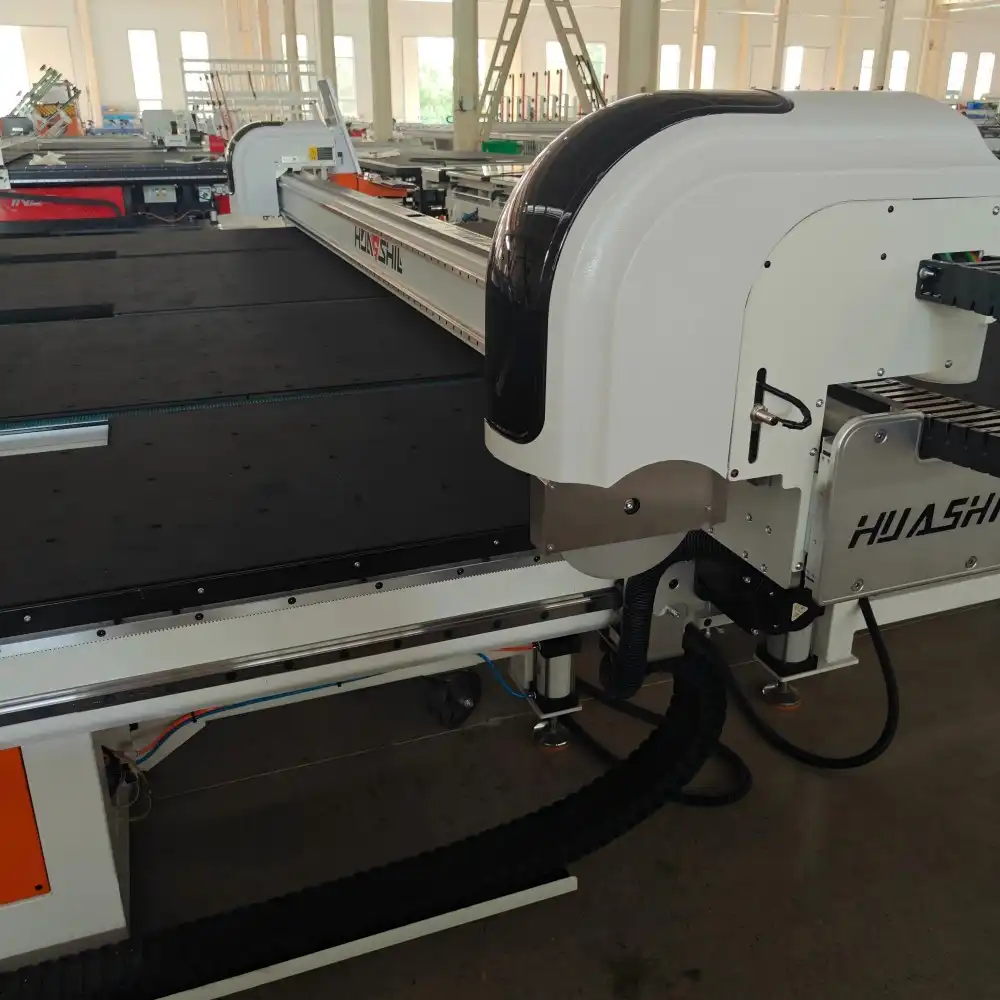
Any cutting method that works well is built on basic mechanical principles. If you're making architectural glass or curtain walls and looking at industrial glass cutting tables, make sure the table is the right size to fit your biggest glass sheets without losing its steadiness. The HSL-LSX6133 model is made for tough production settings and can handle glass sizes of up to 6100×3300mm, which makes it perfect for big building projects and jumbo furniture glass needs.
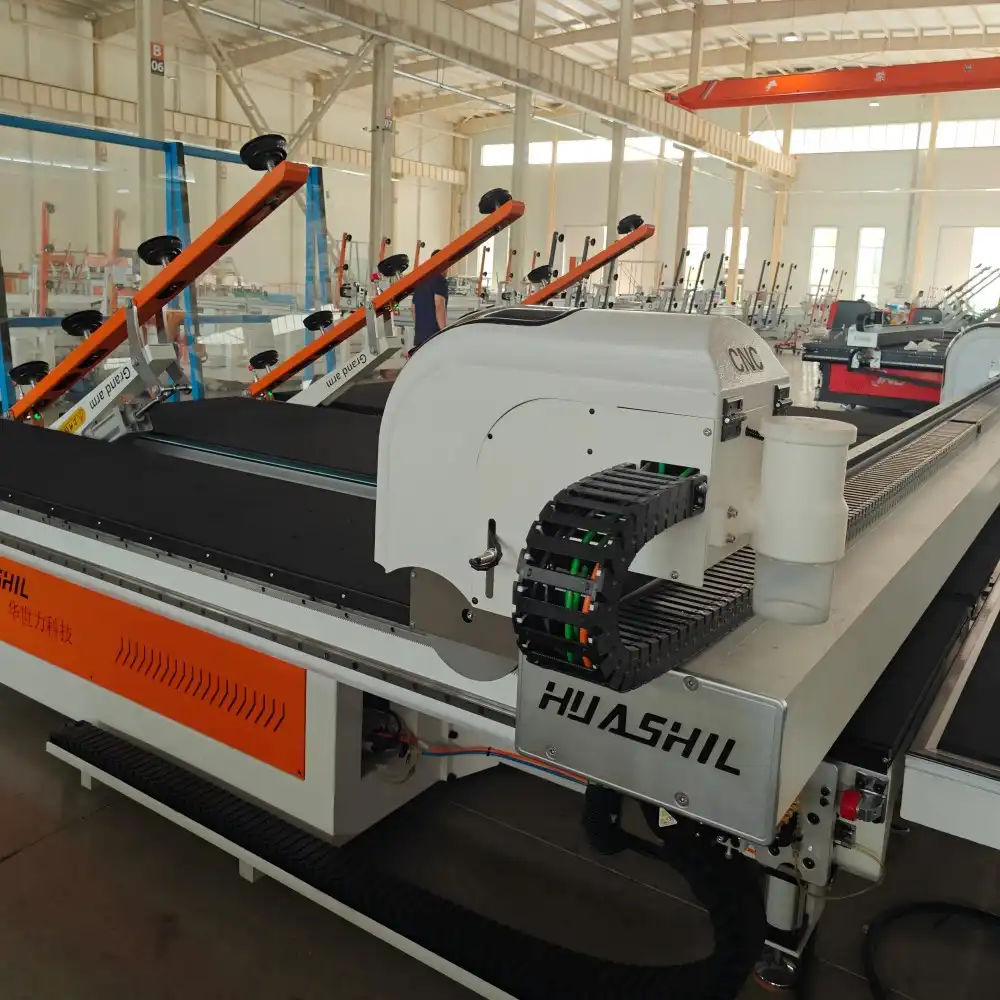
The materials on the table's top of the table are very important. High-end cutting tables are made of special materials that don't scratch and support the glass sheet evenly across the whole surface. This stops tiny movements from happening during cutting, which could damage the quality of the edge. With three tables—a packing table, a cutting table, and a breaking table—workflow is smooth and doesn't get slowed down as it does with one table.
Automation Levels That Drive Efficiency
Manual cutting tables are helpful, but busy firms must automate to be competitive. Fully automated systems integrate loading, putting, cutting, and breaking into one continuous manufacturing line that greatly reduces cycle times. The difference is clear when you handle hundreds of glass sheets daily.
Modern glass-cutting machines may be programmed to vary according to production demands. With adjustable 2+2 station layouts, operators may queue numerous operations to keep the cutting head busy. This helps when switching between window glass and custom-shaped decorative glass orders throughout a shift.
Rail systems provide accurate autonomous movement above and below ground. These guided systems keep the cutting head on the same path. This ensures accuracy after years of continuous usage. Each side of advanced models has six great arms. These arms stabilise cutting, particularly with thinner glass that must be handled cautiously.
Advanced Software Integration
Software has changed the way glass is made by turning raw cutting orders into the best way to make the glass. The Optima optimization software looks at the size of the glass sheet, the number of sheets needed, and the availability of the materials to find the best cutting patterns that produce the least amount of waste. When compared to manual pattern planning, this software-driven optimization can cut material waste by 8-15% in high-volume operations that handle a wide range of orders.
The software keeps learning from production data, looking for trends and offering ways to make things run more smoothly. When cutting architectural glass for a curtain wall project that needs specific sizes, the system automatically organizes the pieces in a way that keeps quality standards high and maximizes yield. This intelligence greatly increases the return on investment (ROI) of tools over the course of their useful life.
Safety Features for Industrial Environments
Production safety must not be compromised in places where people work with automated machines that handle fragile materials. Reliable cutting tables have many safety features, such as emergency stop systems, protective barriers, and sensor arrays that can tell when a person is in an area that is dangerous.
Modern safety systems work directly with the machine's control software to make sure that cutting stops right away if rules are broken. In addition to keeping people safe, these devices keep expensive glass goods and equipment from getting damaged. These built-in safety features are backed up by thorough operator training programs that create a culture of safety knowledge that greatly reduces accidents at work.
Comparing Industrial Glass Cutting Tables for High-Volume Production
Automated Versus Manual Systems
Choosing between automated and manual glass cutting affects production and labour requirements. To use manual industrial glass cutting tables, skilled individuals must set the glass sheets, move the cutting instruments, and break the scored lines. The initial investment is inexpensive, but labour expenses build up rapidly in high-volume, constant shift-work environments.
Automated glass handling lines let you work more with fewer staff since you don't have to repeat tasks. An automatic cutting line may be operated by one person, whereas a manual one requires three or four. Technology expenditures normally pay off in 18–30 months in sites that manufacture more than 500 square meters of glass daily. Automated methods save time and money on labour and give uniformity that manual operations cannot. Rejects and consumer complaints decrease.
Leading Models and Real-World Performance
Not only in controlled demos but also in real factories, production equipment has to work consistently. The HSL-LSX6133 has been used by architectural glass plants and furniture glass manufacturers in North America and Europe to great effect. Facilities say that their uptime is always more than 95% when they stick to the maintenance schedules that are given. They also say that their cutting accuracy stays within ±0.3mm tolerances even after processing hundreds of thousands of glass sheets.
When judging the performance of equipment, user feedback always shows how important it is to have quick technical support. Plants that work more than one shift can't afford to be down for long periods of time while they wait for help with a problem. Production managers who are responsible for meeting delivery promises are much happier with manufacturers who offer technical support 24 hours a day and keep extra parts in stock in the United States.
Pricing Considerations and ROI Analysis
Procurement managers struggle to justify capital expenditures, particularly six-figure manufacturing line investments. Equipment prices vary based on technological complexity, cutting capacity, customisation, and manufacturer. Basic automated tables cost $80,000, while multi-station systems with complex optimisation software cost $300,000.
Look beyond the purchase price to calculate the total cost of ownership. Installation, training, maintenance, and product usage must also be considered. High-end equipment costs more upfront but costs less over time due to its reliability and low maintenance. Finance teams should predict projected production increases, labour savings, and waste reductions to estimate the equipment's ROI during its 10-15 year lifespan.
How to Choose the Right Industrial Glass Cutting Table Size and Type
Assessing Production Volume and Glass Dimensions
When you match tool specifications to production demands, you prevent wasteful overcapacity and irritating constraints. A manager assessing an industrial glass cutting table should review the last six months' orders to determine the largest glass sheets produced. If 85% of orders are for glass under 3000×2000mm and 6% are for 6000×3300mm gigantic sheets, it is more cost-effective to purchase equipment with the largest capacity rather than outsourcing or declining lucrative orders.
Whether single-table or multi-station systems are required depends on daily workload. Shops that handle 50 to 75 glass sheets a day may use simpler instruments, but those that handle 200 or more require automated loading systems and several cutting stations to keep things moving during busy periods.
Shop Layout and Workflow Integration
Lack of room has a big effect on the choice of tools. Automated cutting lines need enough floor space for the machines, as well as for storing materials, sorting finished goods, and making sure operators can safely get to the machines. If a building doesn't have a lot of floor space, it might want to look into high storage systems or small conveyor-based designs that make the most of the room they have.
A workflow analysis should show how things move from storing raw glass to cutting it, to packing and shipping it. Layouts that are efficient keep the distance between people moving materials to a minimum and avoid traffic jams when truck drivers bring raw materials and workers pick up finished items. The best cutting tables don't mess up established patterns; instead, they fit right in with how things are usually done.
Customization and Integration Capabilities
Standard equipment setups work well for many tasks, but high-volume shops often need unique solutions to solve specific production problems. As production grows, modular designs let you add on in small steps, protecting your initial investment while giving you the ability to grow. When new equipment is added to existing edge grinding, washing, and coating lines, the whole process is automated, which makes the efficiency gains even bigger.
With OEM and ODM customization options, manufacturers can choose the exact configurations that meet their needs. This could include special systems for handling very thin glass, unique cutting designs for building parts that are used over and over, or connecting to ERP software that automatically arranges cutting jobs based on shipping orders.
Maintenance and Safety Tips for Ensuring Long-Term Reliability
Preventive Maintenance Schedules
Maintenance affects the China automatic glass cutting table performance. Daily cleaning removes glass shards and cutting residue that wear moving parts more quickly. Once a week, lubricate guide rails, bearings, and mechanical devices to prevent friction and ensure smooth operation. Monthly calibration tests ensure cutting accuracy meets regulations. These tests detect and resolve minor issues before they impair product quality.
Software updates should be treated like machine maintenance. Manufacturers constantly update firmware to correct bugs and improve functionality. Schedule these updates during scheduled breaks to keep production going and ensure systems have the latest patches. A service log helps troubleshoot and proves that warranty claims were handled properly by recording all maintenance procedures.
Operator Training and Safety Protocols
Well-trained operators are your first line of defense against accidents and bad use of your equipment. Training programs should teach standard operating methods, how to shut down in an emergency, basic troubleshooting, and daily upkeep duties. When operators know how their technology works, they can spot problems before they get too bad, stopping small problems from becoming big ones.
Safety rules need to be reinforced all the time, not just when they are first taught. Safety meetings once a month to talk about recent accidents and close calls keep people alert. Clear signs that show pinch points, moving machinery zones, and emergency equipment sites are always there to remind people. Setting up a system where workers feel like they can stop work when they are worried about safety stops risky shortcuts that lead to major accidents from becoming normal.
Warranty Coverage and Service Agreements
Manufacturer warranties are very important for protecting investments in capital goods, but the terms of warranties change a lot from one source to the next. Comprehensive warranties that cover both parts and labor for 24 to 36 months are safer than limited warranties that don't cover wear items or make buyers pay for labor. Knowing exactly what guarantees cover—and just as importantly, what they don't cover—avoids unpleasant surprises when service is needed.
When you buy new equipment, extended service agreements are often a better deal than emergency service calls that cost more. As part of these deals, regular preventative maintenance trips, faster reaction times for breakdowns, and lower prices on parts are common. When deciding if the service agreement fees are worth the safety they offer, production managers should figure out how much downtime could cost.
Why Investing in a Reliable Industrial Glass Cutting Table Pays Off for High-Volume Shops
Productivity Gains and Waste Reduction
The cost of production changes in many ways at once when you use a high-quality industrial glass cutting table. Cycle times go down when cutting speeds go up, so more glass sheets can be handled per shift. Precision cutting cuts down on the safety gaps that workers usually add when using less exact tools, so less material is wasted on each piece that is made. Automated optimization software sets up cutting patterns that get the most out of each sheet of glass, which lowers the cost of materials even more.
When tasks are done in large quantities, these improvements add up to a lot. A factory that processes 1,000 square meters of glass every week and cuts down on waste by just 5% through better cutting optimization saves between $15,000 and $25,000 a year on material costs alone. With the money saved on labor from automation and the work that doesn't need to be redone because of better accuracy, the total economic impact on medium-sized businesses is often more than $100,000 a year.
Quality, Consistency, and Customer Satisfaction
Precision that is automated can be consistent in a way that isn't possible with manual processes. No matter how tired or focused the user is, each piece comes out with the same edge quality and exact dimensions. This consistency is especially helpful in architectural glass applications where a lot of identical pieces need to fit perfectly into building systems or in furniture production where different sizes make it hard to put together.
Consistency in quality leads straight to happy customers and more business. Curtain wall builders rely on getting glass parts that can be installed without having to be changed in the field or fitted to specific needs. Furniture makers need glass tables and shelves that are exactly what the designers want. Being this reliable builds a good image that lets you charge more and gets you leads, which help your business grow.
Long-Term Cost Advantages
A durable building with high-quality parts costs more up front, but saves you a lot of money in the long run. If you keep up with the upkeep, industrial-grade equipment will work effectively for 15 years or more, while cheaper options usually need to be replaced every 7 to 10 years. This longer operational life spreads the capital investment over a lot more units of output, which makes the cost of each unit of equipment much cheaper.
The cost of maintenance also favors good equipment. Well-designed systems that use standard industrial parts make fixes easy because the parts are easy to find. When proprietary designs need parts that are only made by one manufacturer, the prices of those parts are often higher and the lead times are longer, which causes more costly downtime. When comparing different pieces of equipment, procurement workers should look at how easy it is to get parts and how clear the prices are.
Conclusion
Precision engineering, smart automation, strong construction, and complete support systems all work together to make industrial glass cutting tables reliable. High-volume shops that work with architectural glass, curtain wall parts, or furniture glass need tools that are accurate over thousands of cutting cycles and waste as little material as possible. These reliability principles are shown by the HSL-LSX6133, which has a three-table workflow design, Optima software optimization, a customizable station setup, and the ability to work with large-format glass up to 6100×3300mm. Strategic investments in high-quality cutting equipment pay off in the form of higher productivity, more consistent quality, and lower long-term operating costs that make a business more competitive in markets that require a lot of glass processing.
Frequently Asked Questions About Industrial Glass Cutting Tables
1. What size industrial glass cutting table do I need for architectural glass production?
The size of an industrial glass cutting table should be big enough to fit your biggest regular glass plus extra space. Architectural glass makers often work with pieces that are between 3000×2000mm and 6000×3300mm. Outsourcing large-format jobs can be avoided by making sure the tools you use fit your maximum measurements. The HSL-LSX6133 can handle 6100×3300mm, which is big enough for most building uses and flexible enough for large niche projects.
2. How does cutting optimization software reduce material waste?
Optimization software like Optima looks at all the orders that are still open and figures out the best way to cut things so that there is as little waste as possible. The software makes better use of materials (5-15%) than manual planning by strategically placing multiple pieces on each glass sheet. Over time, these savings more than make up for the cost of the tools and also help the earth by cutting down on the use of materials.
3. What maintenance schedule keeps automated cutting tables operating reliably?
Maintenance includes cleaning every day, lubricating once a week, and checking the calibration once a month. Trained techs do full checks every three months to find wear patterns before they cause problems. In high-volume production settings, following the manufacturer's suggested plans usually results in 95% or more uptime.
Partner With HUASHIL for Your Glass Cutting Solutions
HUASHIL offers tried-and-true industrial glass cutting table systems that are designed to meet the needs of high-volume production. Precision mechanical design and Optima optimization software work together in our HSL-LSX6133 automatic cutting line to make complete solutions for making architectural glass, curtain wall glass, and furniture glass. As a well-known company that has been serving North American markets for a long time, we offer full technical documentation, clear pricing, and quick after-sales support that production managers depend on for long-term operational success. Together with your technical staff, our engineering team designs equipment combinations that meet all of your production needs and building limitations. Get in touch with salescathy@sdhuashil.com to talk about your glass cutting needs and get detailed specifications that are made to fit your business's needs.
References
1. Chen, W. (2023). Automated Glass Processing Technologies for Architectural Applications. Industrial Manufacturing Press.
2. Martinez, R. & Thompson, K. (2023). Production Efficiency in High-Volume Glass Fabrication Facilities. Journal of Manufacturing Technology, 45(3), 112-128.
3. Anderson, P. (2024). Equipment Selection Strategies for Glass Processing Operations. Building Materials Manufacturing Review, 18(1), 34-49.
4. Wilson, J. (2023). Optimizing Material Utilization in Architectural Glass Production. Glass Industry Technical Journal, 71(2), 88-95.
5. Roberts, D. & Lee, S. (2024). Safety Systems and Operator Training in Automated Glass Processing. Industrial Safety Quarterly, 29(4), 156-171.
6. Hughes, M. (2023). Total Cost of Ownership Analysis for Capital Equipment Investment. Manufacturing Economics Review, 12(3), 67-82.