




The correct automatic double glass processing machine equipment will match not just the maximum rated speed, but also your daily production, glass sizes, product mix, and personnel. I would start with your actual order profile: how many IG units do you manufacture every shift, how big do they run, and how many employ Low-E coatings or triple glazing. A bottleneck in any one step restricts the complete line; therefore, monitor the full process from cutting to sealing. I outline each step below for you to determine suitability before you ask for a price, and I also indicate where the HSL-LSX5133 cutting line from HUASHIL, an automation company located in Shandong, fits in.
What Is an Automatic Double Glass Processing Machine?
How the Process Works
It is an automated double glass processing system to assemble two or more sheets of glass into an insulated glass unit (IGU). The process normally includes loading, washing, Low-E detection, spacer insertion, assembly, pressing, gas filling, sealing, and inspection. PLC controls, sensors, and servo drives orchestrate these phases, negating human handling. Each stage matters for the final seal and clarity. The ASTM E2190 provides performance and evaluation standards for IGUs; thus, a final unit must pass more than a cosmetic inspection. I think of the machine as a link in a chain, of which precision cutting is the first link.
Machine, Line, or Customized System?
First, there is room. The equipment might be a single machine, a linked production line, or a custom-made system for a certain product, depending on your requirements. If a firm wants to automate one weak phase, it is a good candidate for a single machine, and buyers usually decide within a few weeks. Complete lines need technical assessment, site inspections, and financial clearance, so the procedure typically takes three to six months. Standard double glazing, triple glazing, step units, curved glass and bigger panels may need alternative layouts. Get the scope nailed down early, since it dictates your budget, floor layout, and delivery timetable.
Why Automation Matters for Your Plant
Plants automate for three reasons: more production, reduced labor cost, and steadier quality. Automation eliminates physical lifting and repeated measurement, therefore decreasing fatigue and mistakes. And quality also begins early. ASTM C1036 applies to flat glass. A clean, precise cut provides a good starting point for cleaning and sealing processes. Size mistakes and chipped edges are common causes of rework later on. When I look at a project, I ask, where does this plant waste the most time today, and I start automating there. This keeps the initial investment on track.
What Components and Functions Should a Complete Line Include?
Core Modules to Check
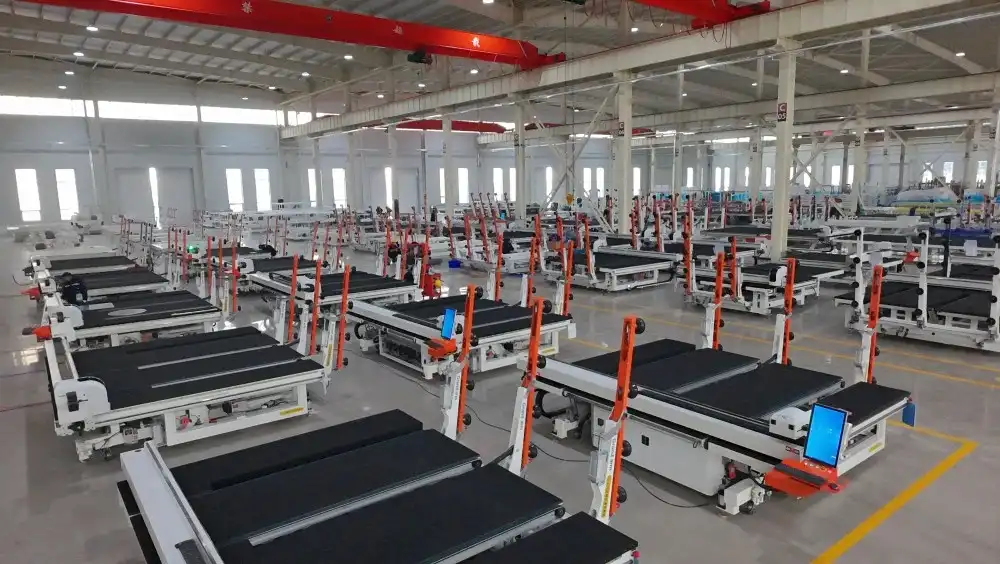
Assess automated double-glass processing equipment as a single production system, not as a bunch of independent devices. The main modules include automated loading and conveying, automatic double glass processing machine washing and drying, Low-E detection, spacer bending or application, molecular sieve filling, assembly, pressing, argon gas filling, primary and secondary sealing, inspection, and unloading. A Low-E coating is a very thin coating of metal or metal oxide that restricts radiant heat transmission. The line must properly designate the coated side. Many units utilize argon as fill gas, since it is less conductive of heat than air. Each module impacts unit quality, stability, and labor demands.
Compatibility With Your Materials
Please have your glass thicknesses, coatings, spacer profiles, sealants, and desired unit sizes ready before asking for an estimate. Then ask the provider to confirm each item in writing. Written replies also safeguard you in the event of acceptance testing. The choice of sealant is important, since ISO 20492-1 deals with the performance of insulating glass edge seals in climatic testing. The kind of spacer and sealant can affect how a line dispenses material. An automatic double glass processing machine that can cope with today's product mix but not next year's product will limit your expansion. I'd suggest you tell each supplier you contact your three most popular and three most challenging unit sizes.
Software and Data Control
The components are tied together via software. Recipe management saves settings for each product, barcode tracking ties a unit to its order, alarms signal issues early on, and remote diagnostics may save downtime. Multilingual interfaces are a benefit to workers who read multiple languages. These controls are critical when many shifts run one line. On the cutting side, software is used to work out where to put cuts on each sheet to minimize offcuts. The HSL-LSX5133 employs Optima optimisation software. Ask each provider about baseline software features, additional charges for features, and how upgrades and technical support are handled after delivery.
How to Match the Machine to Your Factory's Production Requirements
Start With Your Production Profile
It’s your actual production profile that counts, not a maximum output number. Calculate the units per day, square footage per shift, average and peak unit sizes, product mix, operational shifts, and estimated demand for the next two to three years. - Main technical verification - glass size range, thickness range, kind of coatings, loading and unloading methods. Compare those figures to what the machine can perform in your real situations. A line designed just for today's orders can halt after one big contract, while an enormous line holds up funds you might spend elsewhere.
Space, Labor, and Budget
Before you start shortlisting equipment, measure the floor area, ceiling height, crane access, power supply, and material flow. Large sheets need space for racks, turning, and forklift or cart movement. Then count the operators you have and the ones you can employ, since automation decreases labor per unit but still requires skilled workers. And last, Total Cost of Ownership: purchase price, installation, training, maintenance, and replacement parts. A lower price might end up costing you more over multiple years if replacement parts take weeks to get. When you put these statistics side by side, it’s easier for finance teams to analyze requests.
Semi-Automatic or Fully Automatic?
Semi-automatic setups need the user to do the loading, turning, or assembly. They are less expensive and suit businesses with small volume or regular bespoke work. Fully automatic double glass processing machine systems carry glass through cleaning, assembly, and sealing with little handling – ideal for constant, large volume orders and consistent quality. If your orders vary from day to day, flexibility may be more important than peak speed. Full automation will generally pay off sooner if you run identical sizes all day. I would try simulating both methods with your specific volumes, labor rates, and reject rates before you make a decision.
Where the HSL-LSX5133 Cutting Line Fits
Layout and Core Configuration
HUASHIL’s HSL-LSX5133 readies glass sheets for further double glazing operations. It has three tables: a loading table, a cutting table, and a breaking table. These tables have loading, cutting, and breaking all in one line. The route may be run on above-ground or underground rail, and you are able to configure 2+2 stations to suit your plan. There are five magnificent arms on each side. That makes it a practical fit for factories that cut huge architectural sheets before washing and installation. The rail type and station layout are changeable, so check with HUASHIL on the best configuration for your floor plan before you commit to a building project.
Glass Size and Optima Software
The maximum size of glass is 5100 x 3300 mm, or around 16.7 ft by 10.8 feet. This collection is suited for cutting huge architectural sheets for windows and curtain walls. Optima optimisation software prepares the cutting arrangement to assist you in decreasing waste. Layout design at this step has an impact on how much glass you will purchase. Curtain wall integrators commonly cut numerous project-specific sizes. Engineers should question how the program gets order data, what training HUASHIL gives, and how updates function. The bigger dimensions may also be of use to furniture and interior producers who manufacture shower doors and walls.
What to Verify Before You Order
Before signing, demand formal responses on warranty conditions, spare parts lead times, installation, operator training, and technical support channels. Automation equipment relies on quick parts delivery. Confirm manufacturing capacity and delivery time against your project timeline. International orders frequently need a combination of deposit and final payment or a Letter of Credit, so work with your finance team early on. For whole lines, ask for a two-page overview with milestones, specs, and acceptance requirements. If you require OEM or ODM adjustments, ask the provider how fast they can develop a prototype.
Conclusion
The proper automatic double glass processing machine equipment relies on your actual production profile: Daily units, glass sizes, product mix, floor space, manpower, and budget. A full line operates as one system. From loading, cleaning, and Low-E detection to sealing and inspection. The glass, spacer, and sealant have to fit the equipment. • Standards such as ASTM E2190 and ISO 20492-1 remind purchasers that unit performance and edge seal durability are important. Semi-automated and fully automatic alternatives fit varied volumes. Long-term value is determined by Total Cost of Ownership, service, and delivery conditions. It begins with accurate cutting, and the HSL-LSX5133 provides that with three tables, Optima software, adjustable rails and stations, and a maximum size for that stage of 5100 x 3300 mm.
FAQ
1. How long does the buying decision take?
Single machines usually take a few weeks. Full lines or customized systems often take three to six months because of technical review, site visits, and financial approval.
2. What is the maximum glass size for the HSL-LSX5133?
The maximum glass size is 5100 x 3300 mm, about 16.7 ft by 10.8 ft. This fits large architectural sheets.
3. Which software does the HSL-LSX5133 use?
It uses Optima optimization software for cutting layouts. The line has a loading table, a cutting table, and a breaking table, with five grand arms on each side.
4. What payment terms are common for international orders?
Buyers commonly use a deposit plus final payment, or a Letter of Credit. Agree on terms in the contract before production starts. Your finance team should review them early.
5. What should I ask about after-sales support?
Ask about warranty terms, spare parts lead times, operator training, and technical support channels before you order. Written commitments help procurement compare suppliers.
6. Do I need semi-automatic or fully automatic equipment?
Choose semi-automatic for modest volume or frequent custom work. Choose fully automatic for steady, high-volume orders. Model both options with your own volumes and labor costs.
Request an Automatic Double Glass Processing Machine Consultation from HUASHIL
Share your glass sizes, daily output, and floor plan with HUASHIL, Shandong Huashil Automation Technology Co., LTD, at salescathy@sdhuashil.com. Our team will review your project and recommend a setup around the HSL-LSX5133 cutting line, which prepares sheets for your automatic double glass processing machine. If you are comparing automatic double glass processing machine suppliers, ask us for specifications, delivery terms, warranty details, and spare parts support.
References
1. ASTM International, ASTM E2190 Standard Specification for Insulating Glass Unit Performance and Evaluation, 2019
2. ASTM International, ASTM C1036 Standard Specification for Flat Glass, 2021
3. International Organization for Standardization, ISO 20492-1 Glass in Building: Insulating Glass, Durability of Edge Seals by Climate Tests, 2008
4. National Fenestration Rating Council, NFRC 100 Procedure for Determining Fenestration Product U-factors, 2020
5. Glass Association of North America, GANA Glazing Manual, 2008
6. ASTM International, ASTM C1048 Standard Specification for Heat-Treated Flat Glass, 2018