




To pick the best Custom glass loading machine, you need to know how much you can produce, the size of the glass, how much automation you need, and how well it will work with other machines you already have. A machine that is well-matched cuts down on worker costs, breaks down less often, and speeds up production. You can choose equipment that fits your business goals and budget by looking at important factors like load capacity, safety features, energy consumption, and provider support. This will ensure long-term productivity gains and a return on your investment.
Introduction
Today, making glass requires accuracy, speed, and safety. Custom glass loading machines have become crucial parts of automatic production lines as curtain wall systems, ornamental glass, and furniture-making continue to advance. These tools increase output by quickly and easily handling big sheets of glass. They also lower the risk of expensive breakage and injuries on the job.
When choosing loading tools, procurement managers, production leaders, and building teams have to make a very important choice. The right machine fits your output needs, works well with other systems, and increases performance in a way that you can measure. Leading companies like Shandong Huashil Automation Technology Co., Ltd. offer flexible, low-energy options to meet the needs of a wide range of businesses, from small furniture shops to big architectural glass plants.
This guide makes it easier to make a choice by looking at the most important factors for your business. This way, you can make an investment that increases both output and profits.
Understanding Custom Glass Loading Machines: Definition and Key Features
What Makes a Loading Machine "Custom"?
A Custom glass loading machine is a piece of custom-made machinery designed to make working with glass sheets during production safe and easy. Unlike regular conveyors, these machines are custom-made to fit certain glass sizes, weights, and production line layouts. You can change a lot of things about the machine, from the height at which it loads to the holding mechanisms that can handle anything from regular float glass to cemented stone panels.
Types and Automation Levels
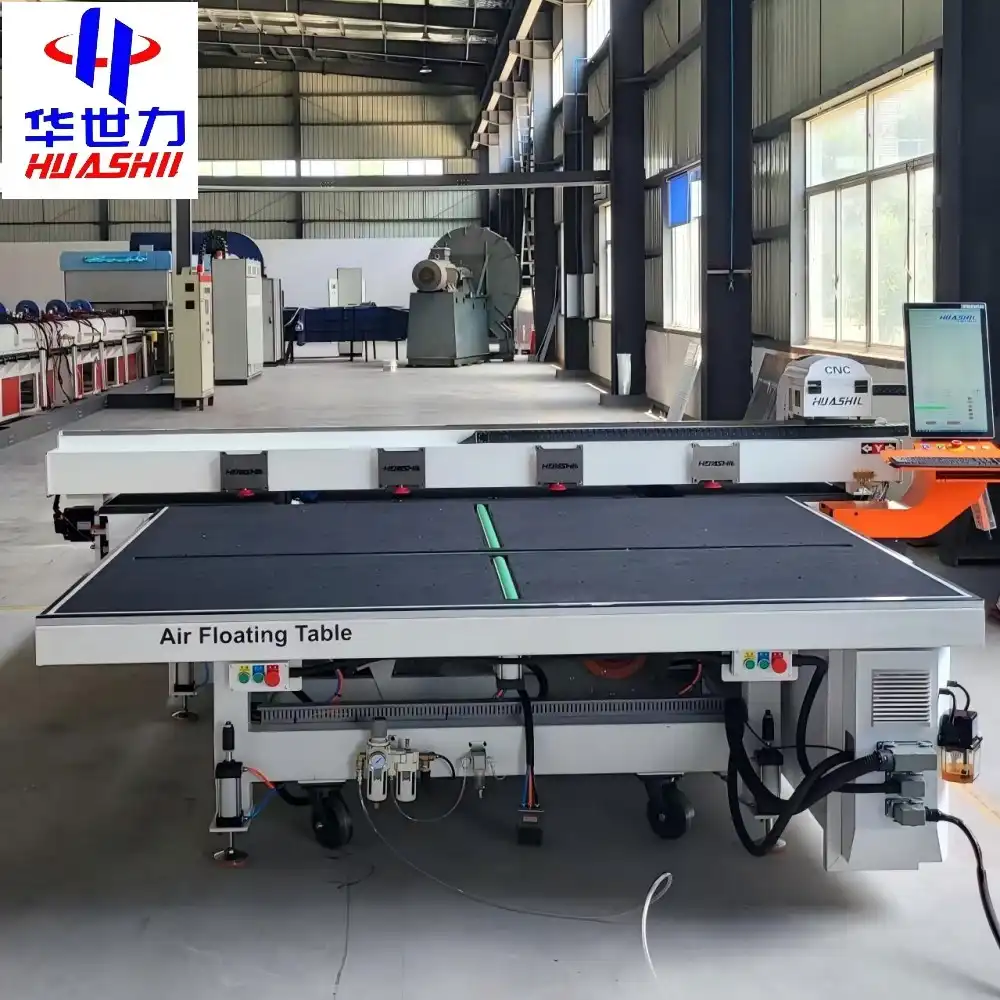
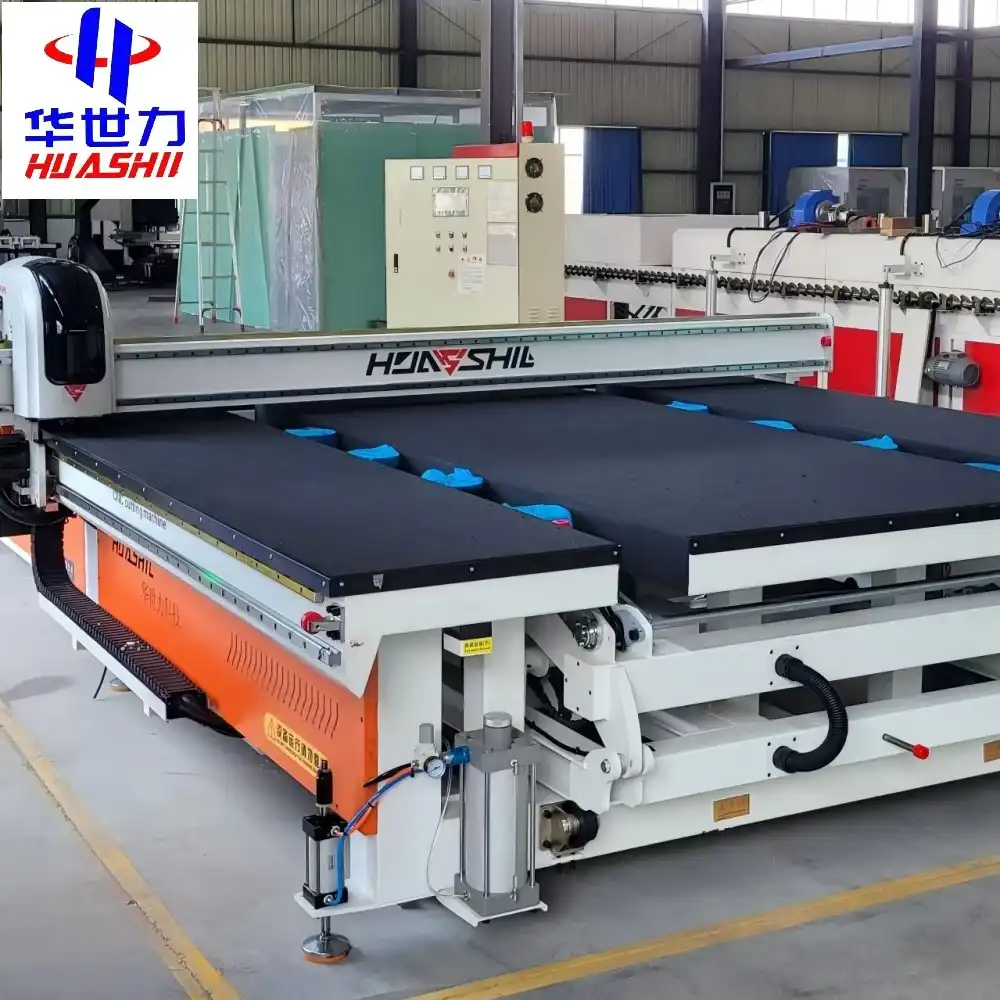
There are three main types of goods in the market. Manual filling methods need to be operated, but they cost less up front. Semi-automated tools are a good balance between cost-effectiveness and speed because they have both mechanical and human help. Fully automated options, such as models that use robotics to help, increase throughput and decrease the need for manual work. Modern systems have three grand arms that automatically load, which allows for exact placement and less time spent handling. Premium models have an air-floating system that lets the glass move smoothly across the loading surface. This keeps the sides that are easily broken from getting damaged.
Critical Features to Evaluate
When judging a machine, look at how automated it is—how much help does each step need from a person? When working with glass, safety is very important. Look for emergency stops, sensors, and protected walls that meet international standards. Using less energy has a direct effect on running costs, especially for businesses that do a lot of work. Accessibility for maintenance affects performance; machines with clear service processes and modular parts have less downtime. The largest size of glass that can be handled is very important. Many professional models can handle sheets up to 3660 x 2440 mm, which is big enough for most building and car uses. The 360-degree walking function lets operators get to all parts of the machine, which makes it easier to fix problems and more comfortable to work on.
Together, these features show if a machine improves output, lowers labour needs, and can handle different glass sizes. It is important to match the machine's skills with your production needs.
Core Criteria for Selecting the Right Custom Glass Loading Machine
Define Your Production Requirements
First, look at your present and planned output levels. Find the daily counts of glass sheets, their usual sizes, and their weight differences. Architectural glass plants that make big curtain wall panels need different rules than furniture factories that make smaller decoration pieces. Write down your current line layout, making sure to include any floor room restrictions and places where cutting, edging, or washing equipment can be connected.
Automation Level and Integration Compatibility
Figure out whether your process works best with human help, some automation, or full bot integration. Fully automated systems have the best throughput, but they need a lot of money and technology infrastructure to set up. For mid-sized businesses that want to increase their production capacity, semi-automated options are often the best mix. Make sure that any Custom glass loading machine you're thinking about can talk to your current programmable logic controllers and production management systems. This will make sure that everything works together smoothly.
Energy Consumption and Footprint
The cost of doing business goes beyond the buying price. Ask for specific information on how much energy different types of energy use and compare the number of kilowatt hours used. Older hydraulic machines usually use more power than newer ones with servo-driven motors and better air compressor systems. At the same time, carefully measure the floor space you have open. Some small models are the most efficient in tight industrial spaces, while bigger systems with longer loading beds need their own areas to be set up.
Customization Capabilities and After-Sales Support
Your needs may change as you make things. Long-term freedom comes from machines that can be built in modules and customised in different ways. Can the maker change the lifting arms to fit different types of glass? Is it possible to change the settings for new types of products on the computer system? Also, find out how well the seller does with customer service after the sale. Availability of spare parts, reaction times for technical help, and warranty coverage all have a direct effect on how much time your production is up. During the procurement phase, making sure there are clear lines of communication by giving engineers specific technical documentation and buying teams clear business offers is the first step toward building long-lasting relationships that work.
These factors help you make a choice by putting operational efficiency and cost-effectiveness at the top of the list. This will help you find tools that are perfectly suited to your production needs.
In-Depth Comparison: Key Considerations for Loading Machine Selection
Understanding Capacity and Throughput Rates
Different types of Custom glass loading machines have very different production capacities. Basic models with human help can usually handle 50 to 100 glass sheets per shift, making them good for small furniture makers. Mid-range semi-automated systems handle 150 to 250 sheets per day, which is enough for growing plants that make windows. For big architectural glass shops and curtain wall developers, high-end automatic systems with three-arm loading mechanisms can handle 300 to 400 sheets per shift. When you're considering choices, you should compare the throughput rate to your production goals, taking into account setup time and material changes.
Cost-Benefit Analysis: Manual vs. Automated
The initial investment for manual systems is usually between moderate and mid-level capital spending. However, they have higher ongoing labor costs and slower output rates. Automated tools require a big investment up front, but they quickly pay for themselves by cutting down on worker needs and increasing output. Think about the state of the job market, the direction of wages, and your predictions for output amount over the next five years. In high-volume settings, many procurement managers find that automatic systems pay for themselves in 18 to 24 months. On the other hand, human systems are still cost-effective for specialised, low-volume tasks.
Supplier Reputation and Financing Options
Reliability and technical help are better from manufacturers that have been around for a while and have a track record at foreign shows like Glasstech Asia. Check the qualifications of the provider by asking for client references and case studies from businesses that are similar to yours. A lot of good manufacturers offer different ways to pay, like a deposit plus the final payment plan or a letter of credit for sales from other countries. Some suppliers have leasing programmes or partnerships that let you finance tools. This can help you with your current financial needs while keeping your cash for other business needs.
These considerations enable procurement professionals to understand how machine selection impacts both production capabilities and financial planning, fostering informed purchasing decisions that balance performance with budget realities.
Best Practices for Using and Maintaining Your Loading Machine
Operator Training and Safety Protocols
Full training for operators cuts down on crashes and makes tools last longer. Set up normal methods for starting up, stopping in an emergency, and fixing common problems. Make sure that everyone on the team knows how to use the machine's safety features, such as the sensor systems, light screens, and emergency hurdles. Safety checks are done on a regular basis to find possible dangers before they hurt someone or stop work. Assign skilled people to each shift and keep clear records of their certifications and when they need to go back for more training. Many automatic glass loading machine manufacturers also provide operator training programs and safety guidance to support efficient machine operation.
Structured Maintenance Schedules
Preventive repair increases the custom glass loading machine usage and makes it last longer. Every day, you should check the air floating system pressure levels, visually inspect the loading arms, and clean the glass touch surfaces to keep them clean. As part of weekly maintenance, moving parts need to be oiled, electrical connections need to be checked, and safety systems need to be tested. System diagnostics, program changes, and calibration checks must be done every month as part of routine processes. Keep detailed repair logs that keep track of when parts need to be replaced and when services are due. By being proactive, this method finds wear patterns early on, which keeps expensive breaks from happening during key production times.
Energy Efficiency Best Practices
Change the settings on the machine so that it uses less power without losing performance. Set up automatic systems to go into standby mode when there are breaks in output. This will lower the load on the motor and compressor. Regularly check the efficiency of your air compressor because leaks in gas systems make energy costs go up by a lot. Installing energy meters is one way to keep track of how much energy is being used and find ways to improve operations. These practices are in line with the growing focus on sustainability in the business and directly lower running costs.
Implementing these best practices ensures your investment delivers consistent performance, maintains safety standards, and operates cost-effectively throughout its service life.
How to Source and Procure Your Loading Machine
Evaluating Suppliers and Manufacturers
Finding reliable Custom glass loading machine partners takes a lot of research. Original equipment makers, such as Shandong Huashil Automation Technology Co., Ltd., give customers direct access to engineers, the ability to make changes, and full professional support. Authorised sellers offer nearby service and faster access to parts, which is helpful for businesses that need to respond quickly. Check out a supplier's production sites, quality control methods, and list of clients when you're evaluating them. Ask for precise specifications, performance data, and certifications of compliance that are important to your business. Participation in trade shows and a supplier's name in the industry are good ways to find out about their technical skills and trustworthiness.
Navigating the Ordering Process
The process of buying something starts with a thorough question about your production needs, glass specs, and integration needs. Suppliers should reply with basic offers that include details about the machines, price, and estimated wait times. After that come technical studies, which usually include site visits or video demos. This part lasts three to six months for full production line installations and includes engineering reviews, financial approvals, and contract talks. Buying a single machine usually takes a few weeks. Before signing the contract, make sure you understand the shipping terms, who is responsible for installation, and how the user will be trained. Logistics, customs paperwork, and letter of credit plans need to be thought out for international sales.
After-Sales Service and Warranty Provisions
Strong warranty coverage and quick expert help are what set top suppliers apart. Standard warranties usually cover mechanical parts for 12 to 24 months, but you can get longer guarantees if you want to. Check to see if extra parts are available and when they will be delivered, as delays have a direct effect on the production process. Set up clear ways for technical help to communicate, such as phone, email, and the ability to do diagnostics remotely. Suppliers who offer regular repair visits, software changes, and refreshers on operator training show that they care about their customers' long-term success. Make sure that all service agreements and support terms are clearly written down in the buy contracts. This will protect your business interests and make sure that everyone is held accountable.
This structured approach to sourcing and procurement reduces risk, establishes reliable supplier relationships, and ensures successful equipment integration into your production environment.
Conclusion
When choosing the right Custom glass loading machine, you need to think about the technical specs, the working needs, and the budget. If you know how much you can produce, how much technology you have, and how important it is for your suppliers to help you, you can set up your business to continuously gain output and cut costs. Advanced machines with features like automatic three-arm filling, air-floating systems, and customisation options offer clear benefits in productivity, safety, and adaptability. As the needs of production change, working with experienced providers who offer clear pricing, thorough technical documentation, and dependable service after the sale will ensure that your investment keeps giving you value. Making a well-informed choice today will set your glass manufacturing business up for long-term success and a competitive edge.
Frequently Asked Questions
1. How long does installation typically take?
Installation times depend on how complicated the machine is and how it needs to be integrated into the production line. It usually takes three to five days to set up, connect the electricity, and calibrate a stand-alone automatic filling machine. Full production line integrations that include code for multiple tools and control systems can take up to two weeks. During the procurement phase, suppliers should give thorough installation plans that include time for site preparation, equipment shipping, and training for operators. Planning ahead reduces interruptions to production and makes sure that launching goes smoothly.
2. Can loading machines integrate with existing automation systems?
Most new Custom glass loading machines have programmable logic controls that work with standard communication methods in the industry. This makes it possible to connect them to current automation systems. Give suppliers a lot of information about your current network design, control systems, and software platforms while you are choosing vendors. Reliable makers offer customisation services to make sure that everything works together without any problems. These services usually include protocol converters or custom code, if needed. Before a system is fully deployed, technical managers should be involved in planning its integration to make sure it works with everything and to make sure that testing is coordinated.
3. What factors affect maintenance costs?
Costs of maintenance depend on how complicated the machine is, how often it is used, and how readily available the pieces are. Maintenance costs are usually higher for automated systems with complex sensors and control parts than for easier manual-assist models. Working in tough conditions or working with rough materials speeds up wear, which means that parts need to be replaced more often. Service costs and downtime are directly affected by how close the supplier is and how many extra parts are on hand. Setting up preventative maintenance plans and teaching technicians to work in-house cuts down on long-term costs and speeds up response times for regular service needs.
Partner with HUASHIL for Precision Glass Loading Solutions
Our team at Shandong Huashil Automation Technology Co., Ltd. has years of experience making things and sending them overseas, so we can help you find the best loading option for your production line. We are experts at making automated systems that can be changed to fit your needs. These systems have three grand arms and air-floating technology and can be set up in a variety of ways to handle glass sizes up to 3660x2440mm. As a dependable Custom glass loading machine provider, we offer complete technical paperwork, reasonable pricing, and ongoing support for as long as your equipment is in use. Email our team at salescathy@sdhuashil.com to talk about your unique needs and get a thorough proposal that fits your budget and operational needs.
References
1. Glass Manufacturing Industry Council. (2023). Automation Standards and Best Practices in Glass Fabrication. International Glass Technology Association.
2. Peterson, R. & Williams, J. (2023). Material Handling Systems for Architectural Glass Production. Industrial Engineering Press.
3. European Committee for Standardization. (2022). Safety Requirements for Glass Processing Machinery - Part 4: Loading and Transport Equipment. CEN Technical Standards.
4. Zhang, L. & Martinez, C. (2024). Energy Efficiency in Automated Manufacturing: A Comparative Study of Glass Processing Equipment. Journal of Manufacturing Systems, Vol. 71, pp. 234-251.
5. International Association of Glass Fabricators. (2023). Procurement Guidelines for Production Line Equipment. IAGF Technical Publication Series.
6. Thompson, M. (2024). Total Cost of Ownership Analysis for Industrial Automation Investment. Manufacturing Management Review, Vol. 38, Issue 2, pp. 112-129.