




Modern glass handling requires precision, speed, and quality. Manufacturers are upgrading to industrial glass cutting and laminating systems. Traditional techniques are less economical and competitive due to material loss, uneven cutting, and lengthier manufacturing cycles. Advanced automated systems use cutting-edge technology to improve accuracy, reduce labor, and increase safety. These advancements let firms develop while fulfilling demanding construction, car, and decorative glass criteria.
Introduction
Over the last several years, glass manufacturing has altered drastically. Production leaders and engineering managers in the US are under increasing pressure to provide high-quality items at a cheap cost. Modern glass processing uses industrial glass cutting and laminating technologies for precise cuts, uniform quality, and improved working conditions.
Upgraded systems must be set up for long-term development in a competitive market, not only to replace obsolete technology. Knowing the strategic importance of contemporary processing technologies affects your financial line, whether you run a building glass, curtain wall integration, or furniture glass business. This extensive handbook explains why buying managers, plant leaders, and technical buyers prioritize equipment modernization. These investments result in improved productivity, decreased waste, and more consistent goods.
Understanding Industrial Glass Cutting and Laminating Systems
Core Components and Functionalities
Modern glassmaking technology employs precise mechanics and computerized control technologies to make completed objects. Facilities may satisfy productivity and product demands with semi-automated tables to fully integrated production lines for industrial glass cutting and laminating. The photoelectric positioning technique ensures precise cuts throughout extremely tiny ranges, reducing material loss and rework.
Barrier materials like PVB, EVA, or SGP films are used to laminate glass layers. Interlayers hold glass fragments together when they impact anything, meeting building and automotive safety regulations. Today's laminating equipment can handle film thicknesses from 0.38mm to 1.52mm, allowing firms to manufacture anything from safety glass to acoustic and security glazing.
Workflow Integration and Production Line Coordination
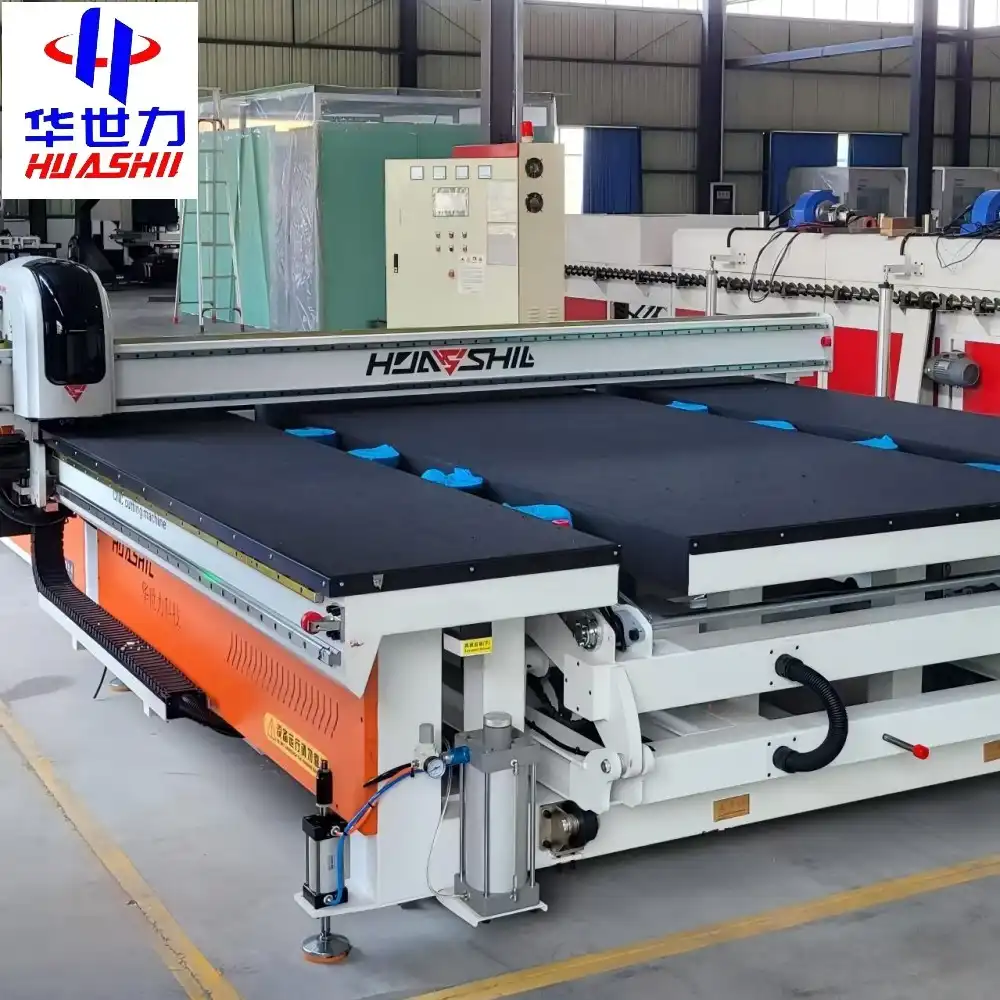
Raw glass pieces are simpler to cut, edge, wash, laminate, and verify using integrated processes. Automatic glass placement reduces breaks and effort by eliminating glass handling between process stages. Standardized work table heights of 820 mm make moving items easy while keeping up with equipment upstream and downstream. Automation can do more work than humans or semi-automated processes, with production line cutting rates of 100 meters per minute.
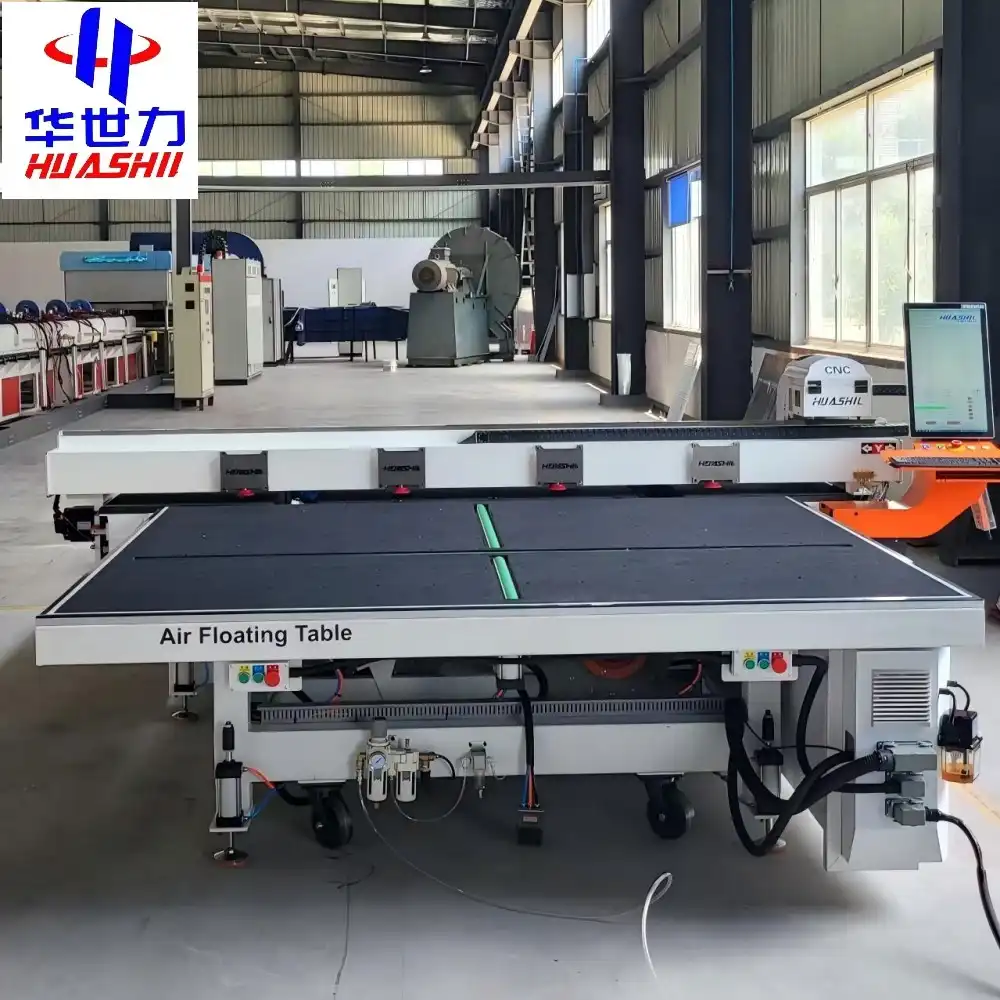
Producers can maximize building space with the modest equipment footprint (4700 mm long, 3100 mm broad). Systems can handle fused glass widths from 3+3 mm to 8+8 mm, allowing for many items. Businesses that make residential windows and commercial curtain walls benefit from this versatility.
Why Upgrade? Limitations of Traditional Methods and Advantages of Modern Systems
Constraints of Conventional Processing Approaches
Traditional glass cutting relies on manual measurement and user expertise, which creates variance and reduces consistency. Manual scoring and breaking delays cutting, causing clogs that reduce output. When workers can't acquire the optimal nesting patterns or rough cuts need edge-ground salvaged parts, waste material increases.
Safety concerns arise when cutting large sheets of glass by hand with people around. Worker fatigue from repetition increases the chance of errors and accidents. Older laminating autoclaves have longer cycle durations and utilize more energy, raising costs and limiting production flexibility. These issues worsen when orders increase or client demands alter.
Performance Gains Through Modern Automation
Modern industrial glass cutting and laminating equipment eliminates measuring errors with digital pattern programming and automated glass placement. Photoelectric sensors detect material edges and modify cutting pathways in real time to ensure precision throughout manufacturing. Makers can handle more material without hiring additional personnel at cutting speeds up to 100m/min. This increases production, which plant managers monitor.
Material optimization software determines the ideal cuts, reducing waste rates from double digits to single digits. Trash reduction decreases raw material costs, making equipment acquisitions viable within 24 to 36 months by boosting material efficiency. Automated handling systems reduce breakage during process transfers, protecting business margins.
Safety features include automated shut-offs, regulated cutting zones, and less human handling to reduce occupational injuries. Insurance companies are aware of these developments, which might cut workers' comp costs. Modern systems gather dust, use fewer chemicals, and create less energy per unit, making environmental compliance simpler.
Documented Return on Investment
When window companies move from human to automated cutting, their daily production capacity increases by 40 to 60% while utilizing the same floor area. Curtain wall integrators on large commercial projects claim shorter turnaround times and greater first-pass quality rates, which help them meet tight construction timetables. Furniture glass producers save time by using a system that can handle diverse shapes and sizes without having to adjust the setup.
Comparative Analysis: Choosing the Right Glass Cutting and Laminating System
Evaluating Automation Levels and Technology Options
Compare current production demands to predicted growth for industrial glass cutting and laminating systems before buying. Semi-automated cutting tables may be loaded by hand and cut automatically, making them ideal for small enterprises with many goods. Fully automated lines handle, cut, break, and sort materials. This lets you produce several typical things rapidly.
Cutting technique depends on material qualities and precision. Regular flat glass operations are best done using classic wheel cutting, which is dependable and cheaper. Water jets can cut thick laminates and tempered glass. Laser cutting produces stylish edges, but it costs more to operate; thus, better product value or less waste must be made up.
Critical Selection Criteria for Technical Buyers
Engineering team managers compare tool specifications to quality and output targets. The longest cutable length, 3800mm, should handle your largest orders without waste. Smaller speciality goods have flexibility based on minimum cutting measures of 300 mm. Glass thickness ranges should cover all current products and allow for future expansion into thicker or thinner materials.
Specifications for cutting speed affect output capacity estimations. Newer 100m/min systems can manage more work than 20–40m/min systems. The actual production rate depends on loading time, pattern complexity, and subsequent process speed. A comprehensive capacity analysis examines the whole manufacturing process, not just one piece of equipment.
Maintenance Requirements Significantly Affect Total Cost of Ownership
The amount of maintenance needed has a big effect on the total cost of ownership. Downtime and repair costs are cut when equipment is made with easily available parts and standard spare parts. After-sales support features, such as answer times, technical knowledge, and the supply of parts, are very important for keeping production running smoothly. Before making a final buy choice, procurement managers should ask for clear warranty terms, preventative maintenance plans, and written information on the average time between failures.
Financial Analysis and Budget Approval
Finance leaders need clear forecasts that show how investments in equipment make businesses more profitable and efficient. In-depth plans should include numbers that show how much money will be saved on labor by not needing as many people, how much materials will cost by reducing waste, and how much more capacity will allow for more income growth. To figure out the total cost of ownership, you need to add up the costs of installation, training, upkeep, extra parts, and energy use over the equipment's expected service life.
Payment plans that are easy to change help capital spending match up with cash flow. When buying a single machine, words like "deposit plus final payment" make budgeting easier. When doing business across borders, letter of credit agreements protect both sides. Some makers offer loans or lease plans that turn capital costs into routine costs. This makes budgeting easier and allows for instant production improvements.
Maintenance and Safety Best Practices for Industrial Glass Cutting and Laminating Systems
Routine Maintenance Protocols
Schedules for preventative repair protect the investments in industrial glass cutting and laminating systems and keep the quality of output uniform. Cutting wheel state, lubrication levels, and hydraulic system pressures should be checked every day. Operators who know how to spot early warning signs like strange sounds, movements, or changes in performance can keep small problems from getting worse and needing more downtime.
As part of weekly maintenance, photoelectric sensors need to be cleaned, conveyor systems need to be inspected, and cutting heads and placement mechanisms need to be lined up correctly. Cutting accuracy measures, motor performance factors, and wear on high-use parts should be written down every month. By setting standard performance measures, maintenance teams can spot slow declines in performance before they hurt the quality of the product or the rate of production. These routines are essential for achieving seamless industrial glass system integration, where each component works in harmony for optimal efficiency.
Troubleshooting Common Production Issues
Cutting quality issues are often caused by cutting wheels that are worn out, pressure settings that aren't right, or dirty glass surfaces. Systematic troubleshooting methods help workers quickly find the root causes of problems instead of making changes at random that could make things worse. Keeping detailed maintenance logs gives you useful diagnostic information when you need help from expert support.
Problems with the layers, like bubbles, delamination, or uneven bonding, often happen because of pollution, wrong temperature profiles, or problems with the materials between the layers. Most problems can be avoided by regularly calibrating the autoclave and following strict cleaning rules in the preparation areas. Knowing how process factors affect the quality of the result lets operators make smart changes when conditions in the production area change.
Workplace Safety and Operator Protection
In-depth training for operators includes not only how to use the tools, but also how to stay safe and what to do in an emergency. Personal safety equipment rules should be written clearly and followed at all times. Machine guarding keeps people from touching moving parts by mistake while the machine is running, and lockout-tagout methods keep maintenance workers safe while they do their jobs.
Lifting and placing glass sheets can cause strain injuries if you don't know how to handle them properly. When you set your work station to a normal height of about 820 mm, you can avoid awkward positions while loading and removing. Regular safety checks find possible dangers before they cause accidents. This shows that management cares about the health and safety of their employees and lowers their risk of being sued.
Future Trends in Industrial Glass Cutting and Laminating Technology
Smart Manufacturing Integration
The glass-making business is adopting ideas from Industry 4.0 by using connected industrial glass cutting and laminating systems that give real-time information about production. Smart sensors keep an eye on how well machines are working, guess when they need repair, and instantly set the best conditions for the process. Production management systems combine cutting plans with inventory levels and order goals to make the facility more efficient and lower the cost of work-in-process inventory.
Algorithms that use artificial intelligence look at production data to find ways to improve things that humans might miss. Machine learning systems improve cutting patterns based on real output data, which makes better use of materials all the time. With these technologies, smaller makers can reach levels of efficiency that were once only possible for big companies with lots of research staff.
Sustainable Processing Technologies
Demand for eco-friendly processing technologies is driven by environmental laws and business pledges to sustainability. Through better insulation and better heating profiles, energy-efficient laminating devices use less power. In the steps of cleaning glasses, water recycling systems cut down on the amount of fresh water used and the wastewater that is dumped. These traits not only have less of an effect on the environment but also lower running costs. This makes business cases that appeal to both people who care about the environment and people who make financial decisions.
Cutting precisely reduces material loss, which directly supports environmental goals by lowering the amount of raw materials used and the cost of disposal. Automated systems create thorough tracking data for waste that helps with environmental reporting standards and find more ways to make things better. These skills are becoming more and more important for manufacturers who want to get green building certifications or sell to environmentally aware customers.
Preparing for Technological Evolution
Forward-thinking procurement plans look at ways to improve equipment and make sure it works with new technologies. Modular system designs let you add features gradually, as needed for production or as your budget allows. Open communication protocols make sure that new equipment works with current workplace automation systems instead of making technology islands that aren't connected to each other.
When you work with equipment providers that are committed to ongoing product development, you can get software changes and retrofit packages that make your technology better. This method increases the useful life of tools while keeping its competitive edge as industry standards change. When making choices about what to buy, technical managers should look at how much money providers spend on research and development and how well they support equipment that is already in place.
Conclusion
Investing in new, modern industrial glass cutting and laminating systems is a smart way to make your business more competitive and improve working efficiency. The use of advanced technology makes production more efficient, quality more consistent, and worker safety better, all while cutting down on waste and labor costs. Manufacturers can serve a wide range of markets, from building windows to car uses, thanks to their technical abilities, which include photoelectric positioning, high-speed cutting, and flexible laminated glass processing. As the need for output rises and customer quality standards rise, the performance gap between old-fashioned methods and modern computerized systems keeps growing. Manufacturers who prioritize updating their equipment are better positioned to take advantage of market possibilities. On the other hand, manufacturers who put off upgrades risk falling behind more efficient rivals.
Frequently Asked Questions
1. How do I figure out which cutting method will work best for my business?
Look at your usual order profiles, which should include different glass sizes, widths, and product mixes for industrial glass cutting and laminating systems. Fully automated lines are best for high-volume, standard production, while flexible semi-automated systems may be needed for a wide range of special work. Figure out the daily flow that is needed by taking into account both the current demand and the expected rise. Your product line must be able to handle technical specs like a maximum cutting length of 3800mm and a width range of 3+3mm to 8+8mm. Talk to equipment suppliers about real-life production scenarios and make sure that the methods they offer meet your needs.
2. What kind of upkeep should I expect from automatic tools for processing glass?
Plan for daily operator checks; cleaning and adjusting tasks once a week; and full maintenance routines once a month. Preventive repair should take between two and four hours a week, based on the amount of work that needs to be done and how complicated the equipment is. Build ties with dependable spare parts providers to cut down on downtime when parts need to be replaced. Comprehensive user training lowers the need for repair by making sure that equipment is used correctly and problems are found quickly.
3. How quickly can new methods make products better and cut down on mistakes?
Automated positioning and cutting precision usually lead to instant quality improvements for manufacturers. As workers get used to new tools, the number of defects often drops by 50 to 70% in the first few weeks. Improving the quality of laminating requires careful tuning of the process parameters, but the quality will settle within the first month of production. Write down the standard quality metrics before the installation so that you can measure the changes and show financial stakeholders why the investment was worth it.
Partner with HUASHIL for Advanced Glass Processing Solutions
HUASHIL makes industrial glass cutting and laminating systems that are designed to help makers get reliable automation and measurable production gains. Our cutting machines can handle laminated glass from 3+3 mm to 8+8 mm thick and can go as fast as 100 m/min. This means that architectural glass makers, curtain wall installers, and furniture glass manufacturers can get a lot more work done. The small 4700x3100mm size makes the best use of building space, and photoelectric positioning makes sure that the accuracy stays the same from one production run to the next.
As a provider of industrial glass cutting and laminating systems with a lot of experience, we know what plant managers and expert buyers in the US market are worried about when they are buying things. Our engineering team offers full technical documentation to help with the processes of evaluating and specifying tools. Full support after the sale includes overseeing the installation, teaching operators, and quick technical help to make sure your investment gets the performance gains you expect. We keep a large stock of spare parts and can meet the needs of customers who need unique designs for specific production uses.
Email our sales team at salescathy@sdhuashil.com to talk about your unique production needs and set up tours of our tools. We'll help you figure out how our industrial glass cutting and laminating systems for sale can help you reach your goals for quality, volume, and speed.
References
1. Glass Manufacturing Industry Council (2022). Automation Trends in Architectural Glass Production: Efficiency and Quality Improvements. Industrial Glass Processing Quarterly, Volume 18.
2. National Safety Council (2023). Workplace Safety Improvements Through Manufacturing Automation in Glass Processing Facilities. Occupational Safety Research Division Annual Report.
3. American Architectural Manufacturers Association (2023). Technical Standards for Laminated Glass in Building Applications: Quality Requirements and Testing Protocols. AAMA Publication 2400-23.
4. Manufacturing Technology Institute (2022). Total Cost of Ownership Analysis for Industrial Glass Processing Equipment: A Procurement Guide. Advanced Manufacturing Series, Publication 445.
5. International Glass Review (2023). Smart Manufacturing Integration in Glass Production: Industry 4.0 Implementation Case Studies. Volume 28, Issue 3, pages 112-127.
6. Energy Efficiency Partnership (2023). Sustainable Glass Manufacturing: Energy Consumption Benchmarks and Reduction Strategies for Processing Equipment. Industrial Energy Conservation Report Series.