




Manual lamination technologies struggle to achieve speed, precision, and consistency for modern glass manufacturing. Yes, cutting, edging, and handling systems with sophisticated controls and sensors can automate lamination procedures in high-performance glass processing equipment. These automated systems improve architectural, automotive, and furniture glass quality, alleviate bottlenecks, and reduce manpower reliance. Manufacturing automation improves productivity, safety, and ROI while satisfying strict accuracy and reliability criteria.
Understanding High-Performance Glass Processing Equipment and Lamination Automation
High-performance glass processing equipment is developed for complicated lamination processes and offers improved precision, speed, and seamless integration. Automation uses robots, CNC control systems, and real-time sensor technology to monitor every manufacturing step.
Core Technologies Enabling Lamination Automation
Automated laminating systems use many technologies in harmony. CNC controls precise motions and placement, while robotic arms handle delicate glass sheets accurately. Real-time sensors monitor thickness, alignment precision, and surface conditions, sending data to clever software that rapidly modifies settings. This closed-loop control guarantees every laminated product matches specs without user intervention.
Key Equipment Components Supporting Automated Workflows
Coordination and production line integration are needed for laminating automation. Cutting machines start by precisely sizing glass panels. Edging systems polish edges to avoid delamination. Automatic handling systems transfer glass between stations without breakage or contamination, while drilling equipment generates exact holes for hardware installation. Using centralised control systems, these components coordinate operations to enhance efficiency and reduce human error.
Distinguishing High-Performance Systems from Standard Machinery
The difference between high-performance and standard equipment is demonstrated through the capabilities of high-performance glass processing equipment. Repeatability, flexibility, and throughput are the answers. These systems automatically adapt to glass thicknesses and compositions to maintain micrometre tolerances across thousands of manufacturing cycles. They handle more with less energy and fewer operators. These capabilities solve production issues for architectural glass fabricators, curtain wall integrators, and furniture makers looking to grow without sacrificing quality.
Challenges in Traditional Glass Lamination and How High-Performance Equipment Addresses Them
Traditional laminating processes hinder product quality and efficiency. Manual procedures vary according to operator weariness. Incorrect interlayer alignment causes visual distortions and structural problems. Slow throughput causes manufacturing bottlenecks that delay and cost more labour.
Overcoming Quality Inconsistencies Through Precision Control
High-performance automated equipment removes manual variability. Precision positioning systems always align interlayers with glass substrates. Automatic pressure control prevents bubbles and delamination by properly distributing force over the lamination region. Temperature sensors optimise curing conditions throughout the autoclave cycle, assuring bond strength throughout manufacturing batches. This level of control turns lamination from an art to a science.
Enhancing Safety and Reducing Workplace Risks
Glass handling is dangerous in traditional contexts. Multiple workers are needed for heavy panels, increasing injury risk and strain. Automated systems have international-standard emergency stops, light curtains, and protective barriers. Robotic handling reduces worker exposure to sharp edges and heavy loads, improving safety and efficiency.
Real-World Impact: Measurable Efficiency Gains
Industry leaders report significant gains after utilising automated laminating systems. A large architectural glass fabricator cut production cycle time by 40% and failure rates from 8% to 2%. Another curtain wall producer achieved ROI in 18 months by reducing labour expenses and increasing productivity. These results show that automation is a strategic investment rather than a discretionary spend since it produces company advantages beyond theoretical efficiency increases.
Key Features and Innovations Driving Automation in Glass Lamination Equipment
Modern automated lamination systems use numerous key developments to enable industrial-scale manufacturing with minimal human monitoring. Understanding these aspects helps procurement managers match equipment capabilities to production needs.
Intelligent Control Systems and CNC Precision
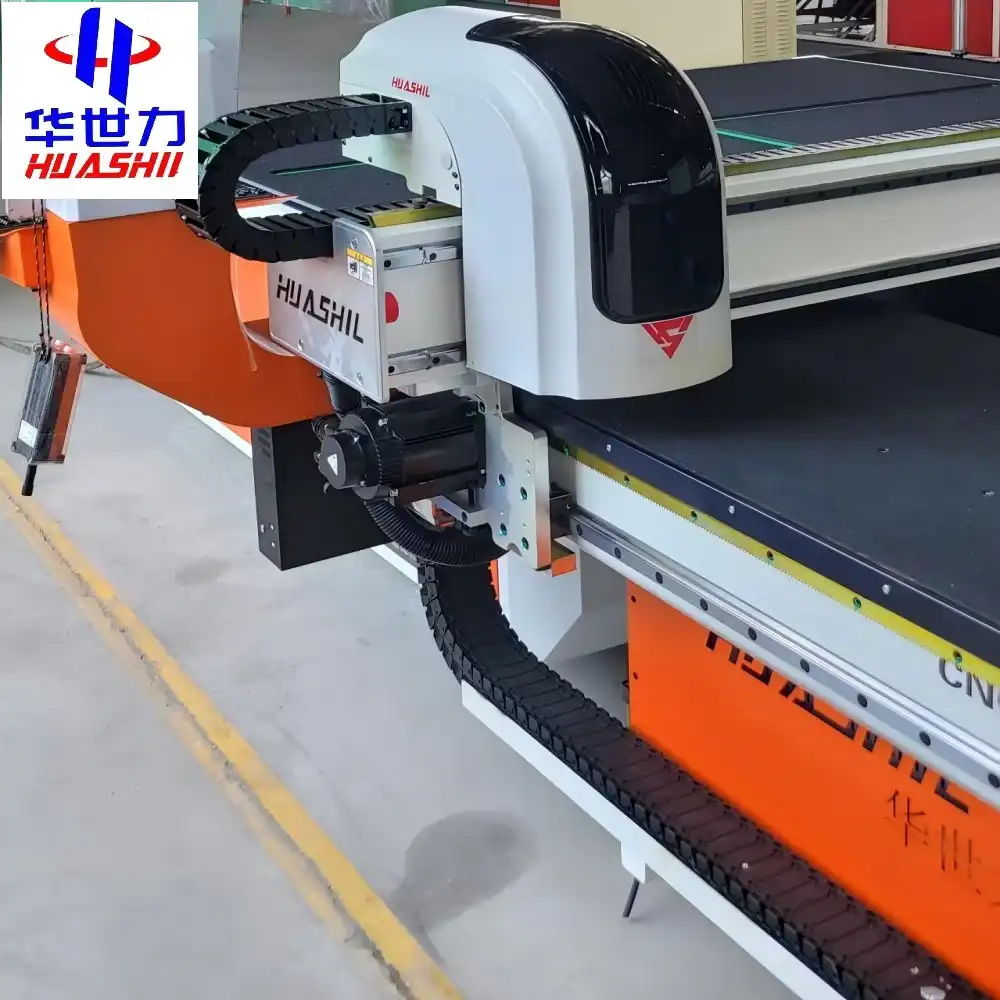
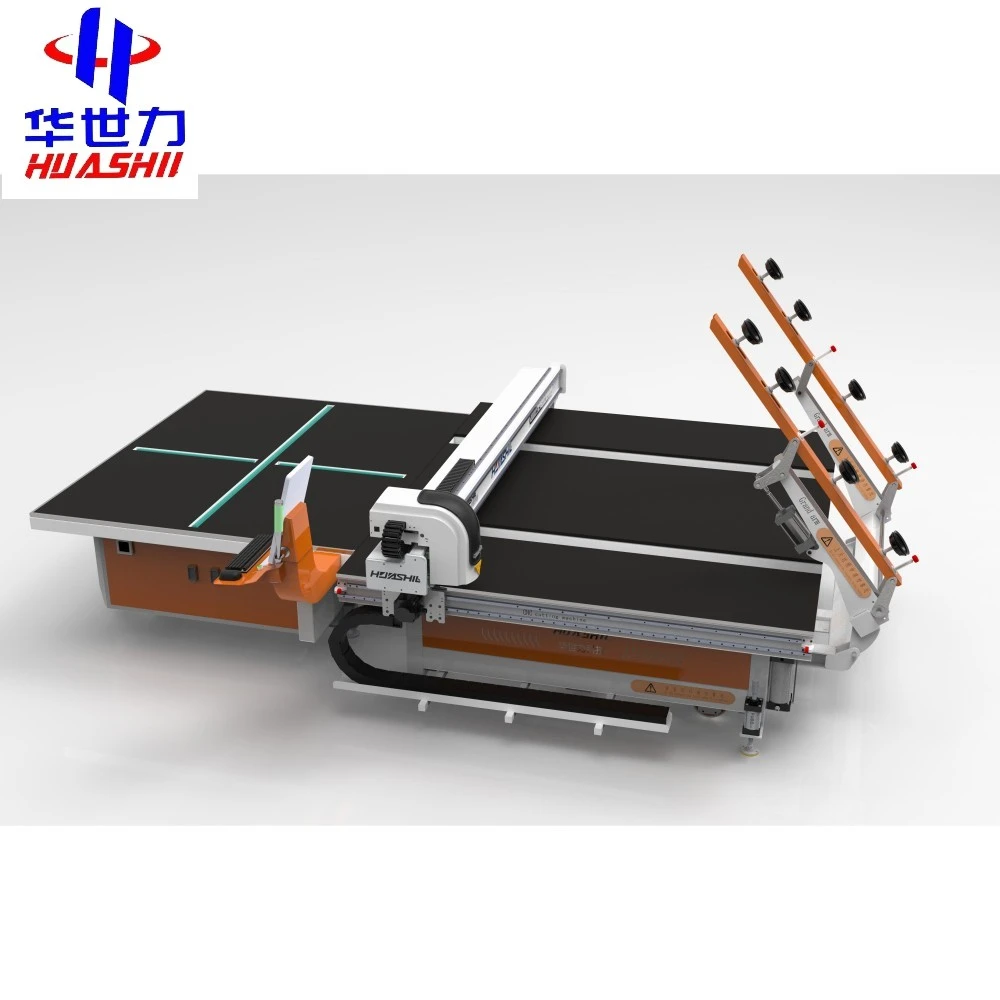
CNC underpins modern glass processing automation. These systems perform complicated cutting patterns, maximise material utilisation with nesting algorithms, and maintain hundredth-millimetre positioning precision. The HUASHIL HSL-YTJ3829 model uses Optima optimisation software to maximise yield from each glass sheet while processing thicknesses from 2mm to 19mm across panels up to 3660x2800mm.
Adaptive Process Management Through Sensor Integration
Sensors in high-performance glass processing equipment give constant feedback for adaptive control. Automatic edge detection recognises glass boundaries instantaneously, modifying cutting paths without operator input. Automatic pressure control systems react to thickness fluctuations to ensure panel-wide processing. Air flotation cushions minimise surface contact and abrasion during shipping. These capabilities combine smoothly to create manufacturing processes that adapt to diverse glass kinds and standards.
Safety Standards and Energy Efficiency
CE and ISO 9001 certifications prove equipment fulfils safety and quality standards. These requirements guarantee that machinery has guarding, emergency systems, and operator protection. Modern equipment prioritises safety, energy efficiency, and improved motor controls, regenerative braking, and intelligent standby modes that decrease power usage while idle. Environmental concerns increasingly impact purchase decisions, making energy-efficient operation a competitive advantage alongside performance standards.
Remote Operation and Operational Flexibility
Advanced automation doesn't diminish operator control. Operators may securely handle equipment from excellent vantage points with 360-degree remote control systems like the HSL-YTJ3829. Breaking tables helps downstream handling, whereas automatic loading systems incorporate upstream operations. Glass movement between stations is gentle and dependable using synchronous belts. This automation and operational flexibility let manufacturers customise production lines to meet workflow and facility needs.
How to Choose the Best High-Performance Glass Processing Equipment for Automated Lamination
Evaluation of production needs, technical specifications, and supplier capabilities is needed to choose the best automation equipment. A thorough investigation is needed since this choice affects operational efficiency and competitiveness for years.
Assessing Production Volume and Complexity Requirements
Start with production quantities and growth projections. Small to medium bespoke furniture glass operations may profit from semi-automated systems that give flexibility, while major architectural glass factories need fully integrated lines that can produce hundreds of panels daily. Consider product complexity—curved or complex-shaped glass requires different handling and cutting patterns than rectangular panels do.
Evaluating Automation Levels and Integration Capabilities
Systems range from manual machines with automated help to completely robotic manufacturing lines. Semi-automated systems automate repetitive activities while retaining operator engagement at low cost. Fully automated lines require more cash and technological skill but less manpower. Examine how potential equipment fits into your manufacturing workflow, including material handling systems, quality control stations, and packaging procedures.
Critical Supplier Selection Criteria
Supplier support is crucial to equipment performance throughout its lifespan. Customer references and Glasstech Asia attendance might help determine supplier repute. Check replacement parts inventories, technical support response times, and training programmes to optimise equipment capabilities after sales. Warranty terms offer financial protection against unforeseen faults during initial operation and demonstrate the manufacturer's reliability.
Budget Considerations and Total Cost of Ownership
Acquisition cost is simply one part of ownership expenses. Overestimate equipment lifespan and calculate installation, operator training, maintenance, and energy consumption costs. Explore leasing solutions to protect cash and boost productivity. Complete manufacturing lines may have lower per-unit prices than incremental equipment as certain vendors provide bulk discounts.
Best Practices for Optimizing and Maintaining Automated Glass Lamination Equipment
Operations and preventative maintenance must be maintained to maximise automation investment. These practices maintain performance, equipment life, and production continuity.
Routine Calibration and Setup Optimization
Regular calibration methods check positioning systems, pressure controls, and sensor data against standards to preserve automated equipment accuracy. Schedule calibration during planned downtime to avoid production delays. Optimise machine setup parameters for different glass kinds to store recipes that operators may easily recall for work changes. Record effective parameter combinations to establish institutional knowledge that survives staff changes and increases process consistency across shifts.
Preventive Maintenance Programs and Troubleshooting
Maintenance schedules for high-performance glass processing equipment should match manufacturer guidelines and operational intensity. Wear on cutting wheels, conveyor belts, and pneumatic seals is detected by regular inspections before failure. To minimise downtime while replacing components with predictable wear patterns, stock spare parts. Create troubleshooting processes for frequent difficulties to help operators fix small issues without professional help.
Operator Training and Safety Compliance
Even highly automated technology needs trained operators who know its limits. Invest in extensive training on regular operation, maintenance, and emergencies. Keep safety standards current with training and workplace reminders. Skilled workers optimise equipment use and avoid costly mistakes that harm machines or lower product quality.
Workflow Integration and Continuous Improvement
Examine whole manufacturing workflows to find bottlenecks that impede throughput despite equipment capabilities. When upstream preparation and downstream handling match processing rates, automated lamination equipment is most valuable. Use continuous improvement methods to collect operator feedback, evaluate production data, and fix inefficiencies. Automation becomes a dynamic system that adapts to production and market needs using this technique.
Conclusion
Automation has revolutionised glass laminating from a laborious manual process to a precise industrial procedure. High-performance glass processing equipment outperforms older methods in quality, safety, and throughput. Successful implementation involves careful equipment selection that meets production needs and supplier partnerships with strong after-sales service and technical experience. Automation helps manufacturers compete in the architectural, automotive, and furniture glass industries, which require greater quality and shorter lead times. The question isn't whether to automate laminating procedures but how soon your company can apply these technologies to gain a competitive edge.
FAQ
Q1: Can automation completely replace manual labour in glass lamination?
Automation performs repeated positioning, alignment, and handling duties more consistently than manual approaches. Human control is still needed for complex quality inspection and specialised operational decisions. Most effective implementations mix automated execution with expert operator supervision to create hybrid systems that combine their capabilities.
Q2: What ROI timeline should manufacturers expect from automated lamination equipment?
Production volume, labour cost reductions, and quality enhancement advantages determine return on investment within 18–36 months. High-volume architectural glass manufacturing for commercial building projects has a faster return due to higher throughput and lower failure rates. Smaller furniture glass producers may have longer ROI periods but gain consistency and higher order capacity.
Q3: How important are CE and ISO certifications when selecting equipment?
These certifications ensure equipment fulfils international safety and quality requirements. CE certification verifies European safety standards, whereas ISO 9001 proves manufacturer quality management. Both certifications decrease regulatory risk and ensure equipment has safety features, making them important procurement criteria.
Transform Your Glass Production with HUASHIL Automation Solutions
HUASHIL helps architectural glass fabricators, curtain wall integrators, and furniture makers improve their glass manufacturing capabilities using cutting-edge automated technologies. Featuring CE and ISO 9001-certified safety features, Optima optimisation software, automatic loading systems, and precise engineering, our HSL-YTJ3829 automated glass cutting line is easy to use. We provide full solutions, including installation, training, and quick after-sales support, that preserve your investment as a reputable producer of high-performance glass processing equipment with vast worldwide expertise. Our engineers tailor setups to your manufacturing needs and facility limits. Our experts at salescathy@sdhuashil.com can explain how HUASHIL automation may cut labor expenses, enhance product uniformity, and boost productivity. Learn why glass processors worldwide choose HUASHIL for dependable, effective automation solutions that boost business performance.
References
1. Glass Manufacturing Industry Council. (2023). "Automation Trends in Architectural Glass Production: A Technical Overview." Glass Industry Annual Report, Volume 47, pp. 112-128.
2. Peterson, R. & Matthews, J. (2022). "Laminated Glass Processing: Comparing Manual and Automated Production Methods." Journal of Glass Science and Engineering, Vol. 34, Issue 3, pp. 245-261.
3. International Association of Glass Equipment Manufacturers. (2023). "Safety Standards and Certification Requirements for Automated Glass Processing Machinery." Technical Standards Publication Series, Document IAGEM-2023-07.
4. Chen, L., Rodriguez, M., & Kumar, S. (2021). "Energy Efficiency in Modern Glass Fabrication: Impact of CNC Automation on Production Costs." Industrial Manufacturing Quarterly, 18(2), pp. 87-103.
5. Bergman, K. (2022). "Return on Investment Analysis for Automated Glass Lamination Systems in Medium-Scale Manufacturing Operations." Business of Glass Magazine, Spring Edition, pp. 34-41.
6. European Committee for Standardization. (2023). "CE Certification Requirements for Glass Processing Equipment: Implementation Guide for Manufacturers and Purchasers." CEN Technical Report TR-16890, Brussels.
