




Precision equipment must handle simple panel cuts and complex geometries without compromising safety layers for laminated glass manufacturing. Automated cutting laminated glass machines allow producers to easily process multi-layer glass composites. These machines cut interlayer films like PVB or EVA while keeping edge integrity, which is essential for car windscreens, architectural safety glass, and ornamental applications. Modern systems use CNC controls and photoelectric positioning to produce standardised panels or bespoke designs consistently. As production volumes and design complexity rise, architectural glass plants and curtain wall manufacturing facilities must choose the correct equipment to be competitive.
Understanding Laminated Glass Cutting Machines
Polymer interlayers link two or more glass layers to create laminated glass that resists breaking. Cutting these composites needs equipment that handles stiff glass and flexible film materials.
Core Components and Technology
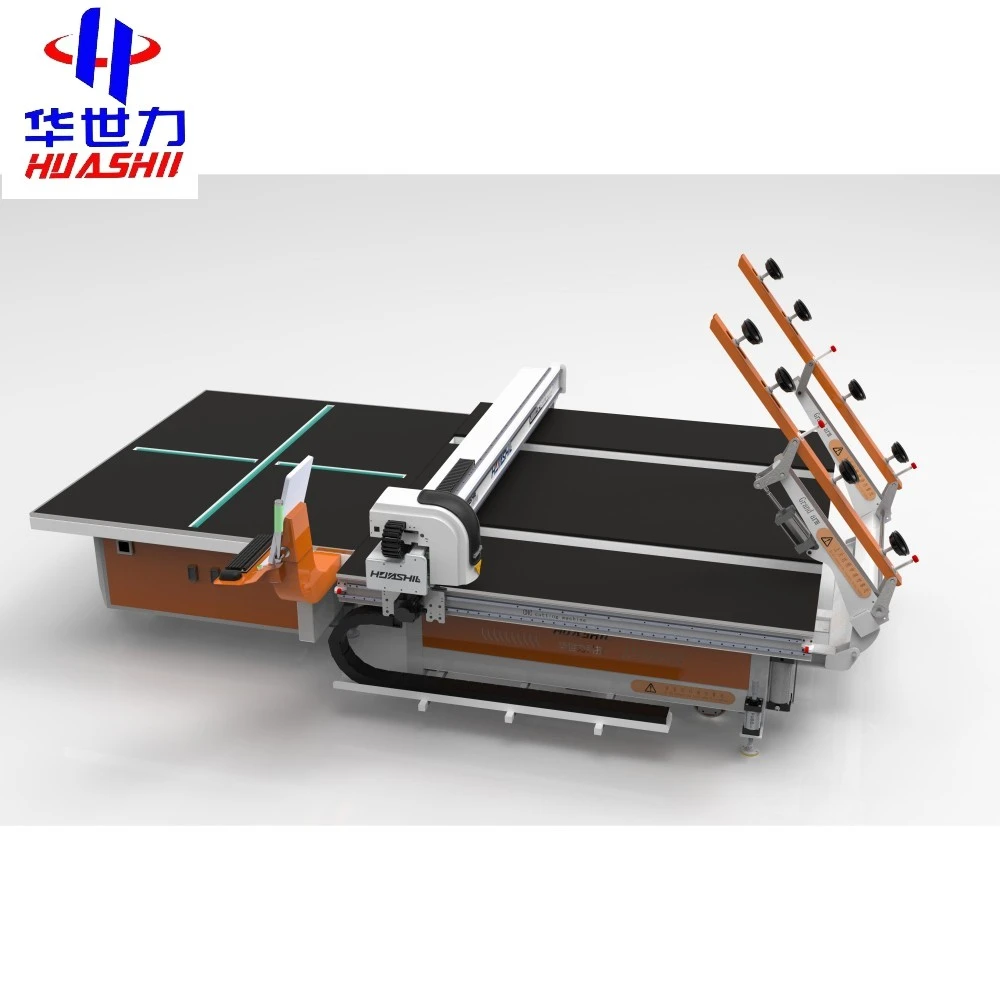
Laminated glass cutting systems' cutting heads are their heart. Precision diamond wheels score glass surfaces with adjustable pressure settings for 3+3mm to 8+8mm thicknesses. The photoelectric positioning system detects material edges within millimetres, ensuring each cut matches planned parameters. CNC controllers save cutting patterns, allowing operators to move between straight panels and intricate curved shapes without recalibration. Automated systems feed glass sheets from storage racks to the cutting zone and separating stations via conveyors, minimising manual handling and alignment mistakes.
Manual, Automatic, and CNC System Differences
For low-volume applications where operators guide glass against stationary cutting heads, manual solutions offer flexibility and reduced capital costs. Automatic devices produce panels at 100 m/min using planned sequences to reduce operator variability. CNC machines are the best at multi-axis cutting complicated shapes. These technologies instantly translate architectural plans into exact tool paths that create curved edges, notches, and complicated curves for bespoke applications from CAD files.
Production scale and product mix determine which technology to choose. Standardised window panel manufacturers profit from automated systems' repeatability, whereas curtain wall integrators need CNC flexibility for bespoke geometries. Understanding these contrasts helps engineering managers match equipment capabilities to production demands without overinvesting in useless features or underestimating capacity.
Comparing Straight and Shaped Cutting Processes for Laminated Glass
Different applications require different cutting methods tailored for production goals and product attributes.
Straight Cutting for High-Volume Production
Most architectural glass is made from rectangular panels with straight edges. After aligning glass against reference edges, quick scoring passes generate controlled fracture lines. Straight-cutting equipment, such as cutting laminated glass machines, uses numerous cutting heads to produce many panels quickly and repeatably. Window manufacturing factories with standard dimensions can batch identical sizes, eliminating setup adjustments and boosting machine usage. Without extra grinding, manufacturing runs fulfil safety glazing standards with consistent edge quality.
Shaped Cutting for Custom Applications
Shaped cuts meet architectural uniqueness and specialist product demand. CNC-controlled systems cut complicated curves using programmed tool paths. A cutting head that maintains pressure and scoring depth while traversing curved patterns is difficult for simpler equipment to do. Auto glass manufacturers use shaped cutting for windscreen profiles, while decorative glass makers make creative designs for interior partitions and furnishings. Speed and pressure must be controlled to avoid chipping and uneven scores that affect separation quality.
Shaped cuts require different production planning than straight cuts. Operators load cutting files and test tool routes, increasing setup time. Material output drops because irregular forms waste more than rectangular nesting arrangements. Custom geometries allow premium pricing to mitigate these inefficiencies, especially in curtain wall projects where distinctive architectural concepts warrant specialist fabrication.
Selecting the Right Laminated Glass Cutting Machine for Your Business
Technical specifications, operational realities, and financial limits must be considered in procurement. Here are the key equipment selection factors:
- Production Capacity Alignment: 3800mm-cutting-length equipment fits common architectural panels in tiny factories. Without specific processing equipment, the 300mm minimum cutting length allows smaller, specialised items. Standard fabrication facilities can accommodate 4700×3100×840 mm machines without costly construction alterations. These requirements meet architectural glass plant workflow needs for medium-to-large panel processing.
- Thickness and Speed Parameters: Most architectural and automotive applications use 3+3mm to 8+8mm glass. Safety glazing products employ standard PVB interlayers, which accommodate film thicknesses from 0.38 mm to 1.52 mm. Cutting speeds up to 100 metres per minute serve high-volume operations where throughput significantly affects profitability, especially for recurrent orders with long production runs.
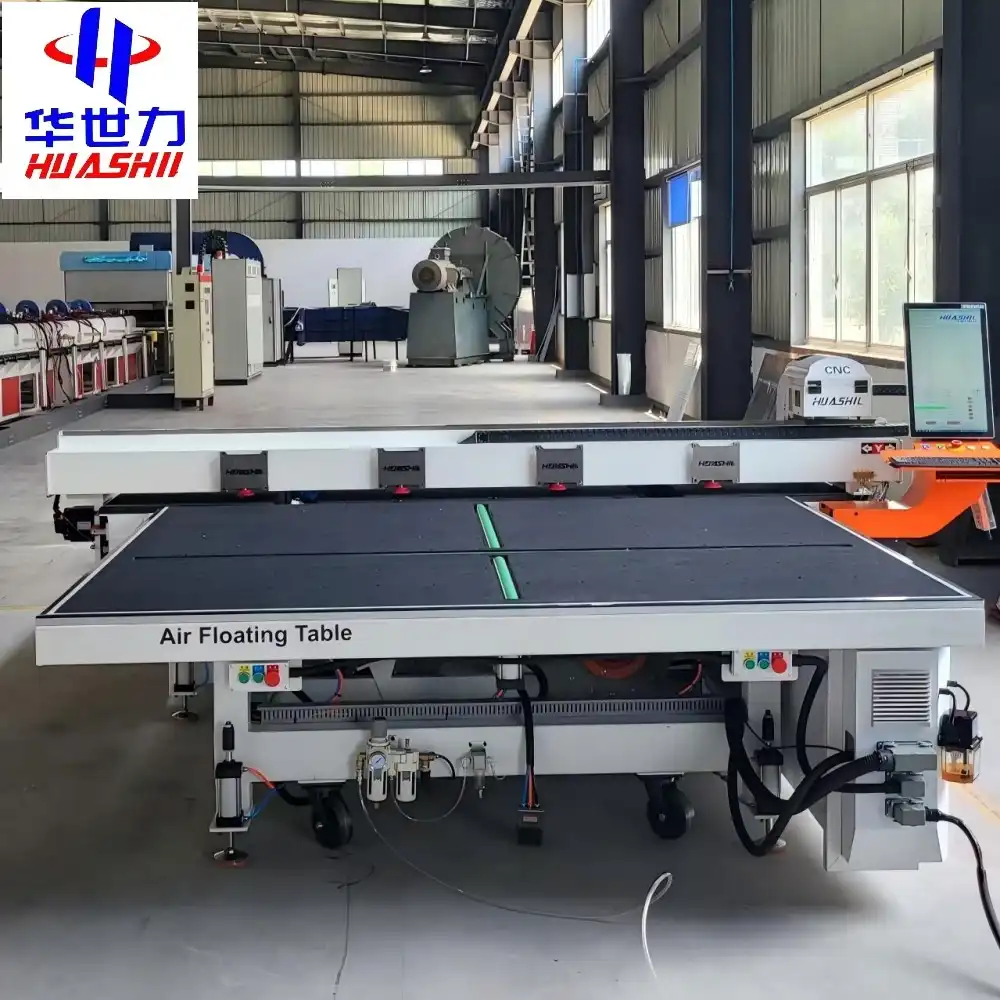
- Automation and Integration Features: Photoelectric positioning reduces material loss from misaligned cuts and operator safety by avoiding direct glass handling. Ergonomic work table height (820±50 mm) allows for material loading and panel retrieval, decreasing fatigue during long shifts. These apparently insignificant features affect daily operating efficiency and long-term equipment adoption.
Equipment from different manufacturers differs beyond headline specs. Lisec and Glaston charge premium prices because of their extensive after-sales networks and decades-long dependability. Emerging vendors provide equivalent technological capabilities at cheaper capital costs, but buyers must carefully analyse spare parts availability and technical assistance response. Maintenance schedules, consumable prices, and warranty terms significantly affect the total cost of ownership during a machine's normal 10-15 year operational lifespan; procurement managers should seek them during vendor assessment.
Operational Guidelines and Maintenance Tips for Laminated Glass Cutting Machines
Disciplined operating methods and preventative maintenance techniques enhance machine life and maintain output quality to maximise equipment performance.
Startup and Parameter Configuration
Each production shift starts with routine starting inspections of the cutting wheel, lubricant, and control system status. Before processing manufacturing material, operators calibrate photoelectric sensors against reference standards to ensure positioning accuracy. Thicker laminates require more cutting pressure, whereas thinner materials need lower scoring to avoid breaking. Experienced technicians keep parameter libraries by product type for quick order changes without trial-and-error modifications that waste resources.
Preventive Maintenance Scheduling
Routine maintenance for the automatic cutting machine for laminated glass maintains cutting precision and eliminates production delays. Cleaning glass dust from guide rails and optical sensors, checking cutting wheel wear, and checking coolant fluid levels are daily responsibilities. Lubricating bearing assemblies, verifying drive belt tension, and testing emergency stop capabilities are weekly tasks. Monthly maintenance includes a precision gauge alignment check to detect mechanical drift before it impacts cut quality. Facilities should have extra parts for high-wear components like cutting wheels and drive belts to fix them in one shift instead of waiting days for expedited shipments.
Troubleshooting Common Issues
Chipping cut edges implies poor cutting wheels or high traverse speed. Replacing wheels and slowing cutting by 10-15% frequently fixes this issue without technical service calls. Dimensional anomalies from positioning problems indicate sensor misalignment or control system calibration drift. Photoelectric sensors may be calibrated against manufacturing specifications to fix most positional issues. Unusual vibration during operation indicates bearing wear or unbalanced components that need prompt correction before they cause serious mechanical breakdowns.
Safety measures must be unaltered despite production demands. Operators must wear safety eyewear and cut-resistant gloves when handling materials. Emergency stop buttons should be unobstructed and checked routinely, and staff should be instructed on shutdown protocols. Mechanical maintenance and glass handling practices that avoid hand injuries should be treated equally since worker safety improves productivity by reducing accident-related downtime and team morale.
Procurement Strategies and Cost Considerations
Strategic procurement includes the whole acquisition and operating lifetime, not only the capable equipment. Finance managers can compare bids by understanding the total cost of ownership. Installation, operator training, maintenance, and consumable replacement make up equipment costs, not the purchase price. Machines that need regular consumable replacement or specialist technical assistance may cost more than those with more operational autonomy and lower recurrent expenses.
International sourcing has pros and cons. Asian equipment makers routinely undercut European and North American providers. Buyers must consider shipment time, customs, and installation help when considering overseas bids. While letter of credit conditions protect both parties in cross-border deals, they add banking costs and documentation to the procurement timeframe. Instead of finding these factors during contract execution, experienced procurement managers include them in vendor assessments.
Warranty and service contracts should be carefully negotiated upon equipment purchase. While standard warranties cover manufacturer faults for 12-24 months, extended coverage options safeguard against unforeseen repair expenses as equipment ages. Service contracts with factory-trained personnel for preventative maintenance are valuable for facilities without skilled maintenance staff. These contracts guarantee that equipment receives competent maintenance to maintain performance and dependability, but they require budget allocation.
Facilities with unique needs need customisation. OEM and ODM support for cutting laminated glass machines allows bespoke infeed systems, cutting head combinations, and automation equipment integration for customised production workflows. Suppliers that are flexible during the first negotiations tend to be receptive throughout the business partnership, ensuring that future demands will be met.
Conclusion
Technical skills, operational needs, and long-term support must be considered while choosing laminated glass cutting equipment. Architectural glass fabricators, curtain wall integrators, and furniture makers may reach production objectives and quality requirements using machines with appropriate thickness ranges, cutting speeds, and automation. Equipment selection considers maintenance needs and supplier response, balancing initial capital expenditure and total ownership costs. Facilities can maintain a competitive advantage in demanding glass fabrication markets by understanding straight and shaped cutting processes, matching equipment specifications to production needs, and establishing disciplined operational practices.
FAQ
Q1: What distinguishes cutting laminated glass from standard glass cutting?
Polymer interlayers that don't break like solid glass must be scored in laminated glass. Specialised equipment maintains pressure throughout cutting, providing smooth separation without delamination. Traditional glass cutters lack the control mechanisms to handle composite materials.
Q2: Can one machine handle both straight and shaped cuts efficiently?
CNCs use programmable tool paths to make both cuts, although manufacturing efficiency varies by application. Simpler geometry makes straight cuts faster, but curved cuts take more preparation. This adaptability helps facilities with diversified product portfolios despite cutting-style throughput disparities.
Q3: How frequently do cutting wheels require replacement?
Glass thickness, manufacturing volume, and material composition determine replacement intervals. High-volume architectural glass manufacturing companies replace wheels every 2-3 weeks, whereas specialist abrasive applications may need weekly changes. Edge quality is the best signal for scheduling replacements before cut quality declines.
Partner with HUASHIL for Advanced Laminated Glass Cutting Solutions
With years of manufacturing and global installation experience, Shandong Huashil Automation Technology Co., Ltd. provides laminated glass processing equipment. Our automated cutting solutions solve architectural glass fabricators' and curtain wall integrators' production problems with precise engineering and practical features. Equipment parameters include 3800mm maximum cutting length, 100m/min processing speed, and photoelectric positioning, enabling dependable high-volume manufacturing.
As a leading cutting laminated glass machine manufacturer, we assist clients from specification to installation, operator training, and technical support. Our technical team works with procurement managers and production directors to customize systems to meet facility needs, assuring equipment integration without disturbing operations. Advanced automation is affordable and customizable for equipment installs to production line integration projects.
Contact our technical sales team at salescathy@sdhuashil.com to discuss your laminated glass cutting requirements and explore equipment options tailored to your production objectives.
References
1. Glass Manufacturing Industry Council. (2023). Automated Glass Cutting Technologies: Industry Standards and Best Practices. Technical Publication Series.
2. Henderson, M. & Associates. (2024). Laminated Glass Processing Equipment: Comparative Analysis of Global Manufacturers. Industrial Equipment Review, Vol. 38.
3. International Glass Processing Association. (2023). Safety Standards for Laminated Glass Fabrication Equipment. Technical Guidelines Document.
4. Mitchell, R. (2024). Total Cost of Ownership in Glass Processing Equipment Procurement. Manufacturing Investment Quarterly, Issue 47.
5. Architectural Glass Fabricators Alliance. (2023). CNC Cutting Systems for Complex Glass Geometries: Technical Specifications and Selection Criteria. Industry White Paper.
6. Zhang, L., & Peterson, K. (2024). Maintenance Protocols for Automated Glass Cutting Lines: Extending Equipment Lifespan and Performance. Journal of Manufacturing Technology, Vol. 29, No. 2.