




Finding the right supplier for high-performance glass processing equipment can feel like navigating a maze, especially when you're targeting rapid returns on your investment. The good news? Reputable manufacturers in China, particularly those serving Southeast Asia, Russia, South America, and the Middle East, offer advanced automated machinery that pays for itself within 12 months through labour savings and production efficiency gains. Companies like HUASHIL combine decades of manufacturing experience with flexible customisation options, making them ideal partners for plant managers seeking reliable, cost-effective solutions. It's not just about getting equipment when you buy modern glass machinery from specialised makers; it's about making sure your production future is safe. Plant managers in Dubai, São Paulo, Bangkok, and Moscow all have to deal with the same problems: rising labour costs, uneven quality from physical work, and pressure to finish projects faster. These problems can be fixed with the right automatic glass processing systems, which also have a clear price, full after-sales support, and track records of success. If you know where and how to buy this equipment, your next production line will either give you a competitive edge or cost you a lot of money.
Why Southeast Asia, Russia, South America, and the Middle East Matter for Glass Equipment Buyers
Some of the world's fastest-growing building markets are in these areas. Even though the economy is changing, the Middle East is still working on huge building projects. Southeast Asian countries are steadily becoming more urbanised, which increases the need for building glass. In order for Russia to become more modern, it needs to update its old factories. As the cost of labour rises, South American markets are once again interested in technology.
Because of this growth, there are new possibilities and obstacles. In these areas, local dealers often don't know enough about how to fix complicated machines. Import rules are very different from one country to another. What works in Thailand might not work in Saudi Arabia. Prices change when the value of the currency changes, and different transportation networks are not always reliable. Purchasing managers can make better choices about where to buy things when they understand these area differences.
Regional Demand Characteristics
Architectural glass factories in Dubai put a lot of emphasis on making large-format glass for high-end projects. For unique interior pieces, Brazilian furniture makers need methods that can work with different sizes of glass. Russian curtain wall installers need strong machines that work reliably even when the weather is bad. Vietnamese companies that make bathroom doors are looking for small, semi-automated systems that can make the most of their limited plant space.
Each group of people in the market has its own buying habits. Buyers in the Middle East often need things quickly because they have projects coming soon. Southeast Asian businesses put more weight on the total cost of ownership than on the original price. Before permission, Russian technical managers carefully go over all the specifications. Finance offices in South America like payment terms that allow for longer approval times.
What Makes Glass Processing Equipment Truly High-Performance?
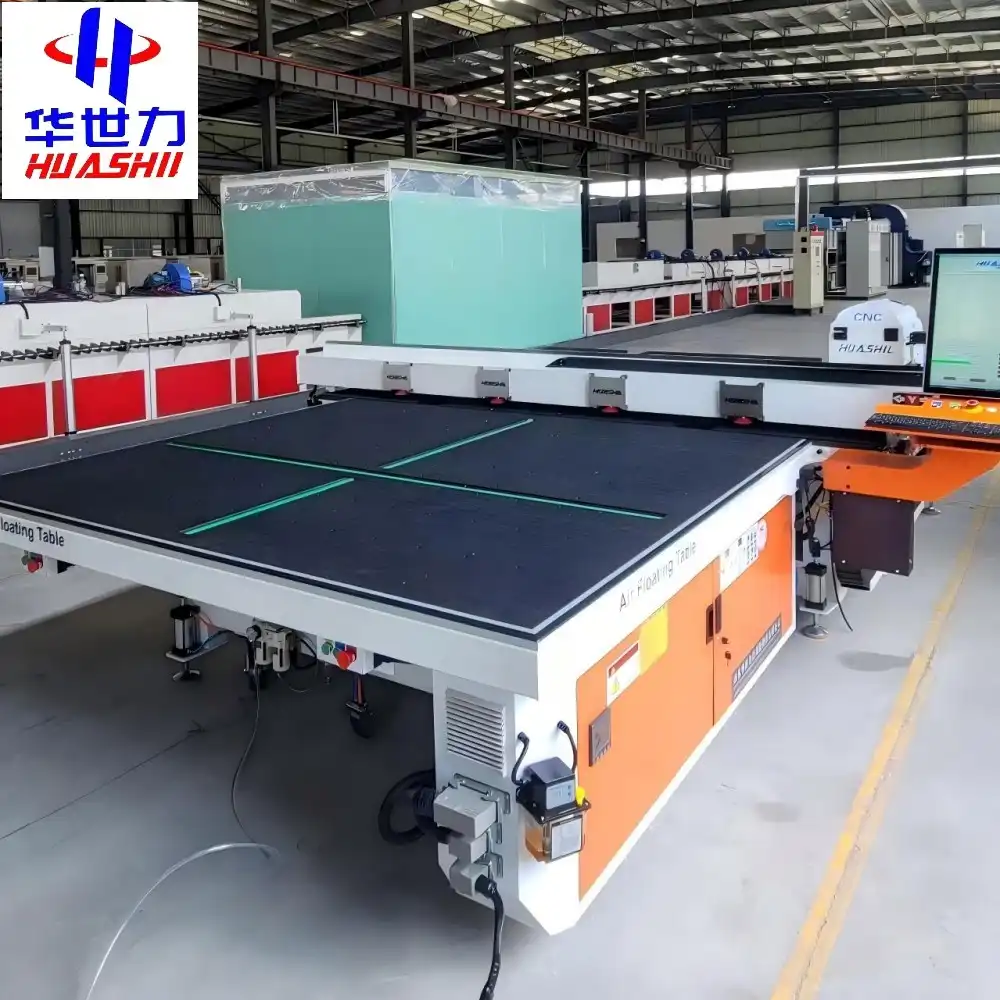
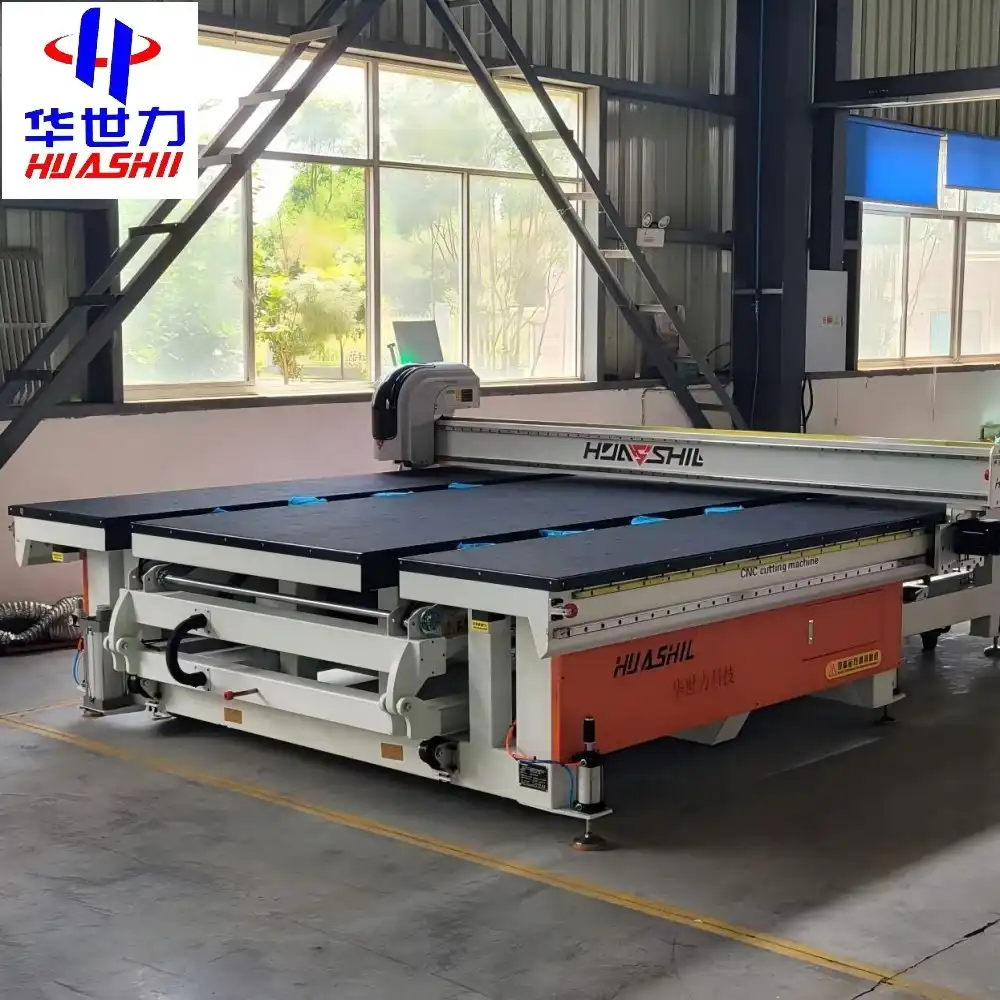
Cutting and finishing are only a small part of high-performance glass processing equipment's automatic processes. Modern CNC glass machinery combines many tasks into smooth production flows, such as automatic loading, precise cutting, edge grinding, quality checking, and smart packing. The HSL-YTJ3829 automatic cutting line is a good example of this method because it can cut glass up to 3660mm × 2800mm and 2mm to 19mm thick.
Marketing claims are not as important as performance measures. Look for machines that can cut with an accuracy of within ±0.2mm, produce edges so good that they don't need any extra work, and have run times that are twice as long as human work. Designs that use less energy lower the costs of running a business. Reliable technology keeps failure rates below 1%, which has a direct effect on your bottom line.
Technical Advantages That Drive ROI
Precision cutting technology gets rid of trash, which is very important when working with expensive, protected, or low-iron glass. The Optima optimisation programme figures out the best plans for the glass, which cuts down on waste by 8–15% compared to nesting by hand. This means that a medium-sized plant that processes 500 square metres of space every day will save a lot of money every year.
When glass is processed automatically, a lot less work needs to be done by hand. A normal cutting line that is run by hand needs between 4 and 6 workers. A combined CNC glass cutting assembly line works with only one worker overseeing several tasks at once. Air float devices and simultaneous belt elevators get rid of the need to lift big things, which makes the workplace safer and speeds up work.
Edge cutting tools that have automatic pressure control can change the thickness of the glass without the person having to do anything. This stability makes sure that every piece meets the requirements, which saves money on repairs. Adding glass cleaning machines to production lines makes it possible to get optical-grade finishes that can be used in the smart mirror business without having to do any extra work.
Applications Across Industries
Architectural glass makers use these methods to make windows and structure glazing panels that are energy-efficient and meet strict building codes. Auto glass companies depend on precise cutting for windscreens and side windows that need to be the exact right size to fit. Flexible glass shape tools let people in the furniture and artistic glass industries make their own patterns for tables, walls, and showcases.
More and more, companies that work with sintered stone are using glass processing technology to cut and finish tailored stone panels. Large-format ceramic slabs can be processed by the same automatic systems that handle float glass cutting tools. This means that production can be increased without having to spend more money.
Comparing Sourcing Channels: Where Should You Actually Buy?
Understanding your options helps you choose the right purchasing path based on your specific needs, timeline, and risk tolerance.
| Channel | Advantages | Disadvantages | Best For |
|---|---|---|---|
| Direct Manufacturer | Lowest pricing; customization support, and direct technical communication | Requires due diligence, potential language barriers, and longer research time | Full production lines; OEM/ODM projects; buyers with technical expertise |
| B2B Platforms | Wide selection; verified suppliers; transaction protection | Quality varies; commission fees, and limited technical depth | Initial research, comparing options, single machine purchases |
| Local Distributors | Same-language support; faster delivery; local service | Higher markup (15-30%); limited customization; smaller inventory | Urgent replacements; buyers preferring local relationships |
| Trade Shows | Hands-on evaluation; face-to-face negotiation; see multiple suppliers | Travel costs, time investment, and pressure sales tactics | Major capital investments; technical evaluation teams |
| E-commerce Platforms | Convenient browsing; customer reviews; simple transactions | Limited for industrial equipment: inadequate technical specs | Small accessories; spare parts; non-critical components |
Direct manufacturer relationships offer the best value for curtain wall system integrators planning major line installations. The ability to discuss production requirements with engineering teams, customise machine configurations, and negotiate comprehensive warranty terms justifies the additional research effort.
B2B platforms like Made-in-China or Alibaba work well for procurement managers conducting initial market research or purchasing standalone equipment. Verified supplier badges and transaction history provide baseline confidence, though deeper verification remains essential.
Practical Supplier Screening: What Technical Managers Should Verify
Evaluating potential equipment suppliers requires a systematic assessment beyond website claims. Request detailed technical documentation, including machine specifications, electrical requirements, compressed air consumption, and space requirements. Quality manufacturers of high-performance glass processing equipment provide comprehensive data sheets that engineering teams can review thoroughly.
Essential Verification Steps
Ask for customer references from your specific industry and region. A manufacturer supplying architectural glass plants in Southeast Asia understands regional installation challenges better than one focused solely on European markets. Contact these references directly—don't just review testimonials on the supplier's website.
Request video documentation of similar machines operating in production environments. Watch for smooth glass transitions between processing stages, consistent edge quality across multiple pieces, and how operators interact with control systems. Factory tours, whether virtual or in-person, reveal manufacturing capabilities and quality control processes.
Verify certifications relevant to your market. CE marking matters for European standard compliance. ISO9001 certification indicates systematic quality management. Some regions require additional safety certifications—confirm your supplier understands these requirements before finalising orders.
Key Contract Terms to Negotiate
Minimum order quantities for CNC glass machinery typically start at one unit for standard models. Customised production lines may require commitments based on engineering development costs. Clarify what constitutes "standard" versus "custom" to avoid unexpected charges.
Payment terms commonly follow a 30% deposit, 60% before shipping, and 10% after installation and acceptance. Letters of credit provide security for international transactions, though they add banking fees. Some manufacturers offer equipment financing or lease options worth exploring with your finance department.
Delivery timeframes range from 6-8 weeks for standard machines to 3-4 months for custom production lines. Buffer time for shipping, customs clearance, and installation extends total project timelines. Penalty clauses for late delivery protect your project schedules.
Warranty coverage should include at least 12 months for mechanical components and 24 months for electrical systems. Clarify spare parts availability, typical delivery times, and costs. After-sales support—whether remote diagnostics, on-site service, or operator training—significantly impacts long-term equipment value.
Common Pitfalls and How to Avoid Them
Many buyers focus exclusively on the initial purchase price, neglecting the total cost of ownership. A machine priced 20% lower but requiring frequent repairs, consuming more energy, or producing higher defect rates costs more over its operational life. Calculate TCO, including installation, training, maintenance, spare parts, and expected defect rates.
Underestimating installation requirements causes project delays. Industrial glass automation requires proper foundation preparation, electrical capacity, compressed air systems, and adequate workspace. Coordinate with the manufacturer's technical team early to identify facility modifications needed before equipment arrival.
Inadequate operator training undermines equipment performance. Even the most advanced glass drilling machine or edge grinding machine delivers poor results without skilled operators. Insist on comprehensive training as part of your purchase agreement—both initial instruction and refresher sessions for staff changes.
Ignoring spare parts stocking leaves you vulnerable to production shutdowns. Identify critical wear components—cutting wheels, suction cups, conveyor belts, sensors—and maintain appropriate inventory. Manufacturers should provide recommended spare parts lists with expected replacement intervals.
Conclusion
Purchasing high-performance glass processing equipment that delivers ROI within one year requires strategic sourcing decisions based on your specific production needs, regional considerations, and long-term operational goals. Direct manufacturer relationships offer the best combination of value, customisation, and technical support for significant capital investments. Thorough supplier verification, clear contract terms, and realistic total cost analysis protect your investment.
The glass processing industry continues evolving toward greater automation, precision, and integration. Choosing equipment partners who understand your market, provide reliable after-sales support, and offer scalable solutions positions your operation for sustained competitive advantage. Whether you're expanding architectural glass capacity, upgrading furniture production lines, or entering sintered stone fabrication, the right machinery partner accelerates your path to profitability.
FAQ
1. What ROI timeframe should I realistically expect from automated glass equipment?
Well-implemented automated glass processing systems typically achieve payback within 10-14 months through labour reduction, increased throughput, and decreased waste. Actual ROI depends on production volume, labour costs in your region, and current efficiency levels. Plants processing 300+ square metres daily see faster returns than smaller operations.
2. How do I compare equipment from different manufacturers objectively?
Create a standardised evaluation matrix covering technical specifications, production capacity, energy consumption, warranty terms, and after-sales support. Request identical sample processing—same glass type, thickness, and dimensions—from competing suppliers to compare actual output quality. Calculate the total cost of ownership over five years rather than comparing only purchase prices.
3. What certifications and documentation should equipment include?
CE marking proves European safety standard compliance. ISO9001 certification demonstrates quality management systems. Request complete technical manuals in your preferred language, electrical schematics, spare parts catalogues, and maintenance schedules. Export documentation should include commercial invoices, packing lists, and certificates of origin for customs clearance.
4. Can I start with a single machine and expand later?
Absolutely. Many successful operations begin with one critical bottleneck—often precision cutting or edge grinding—then add complementary equipment as production grows. Choose manufacturers offering modular systems where individual machines integrate into complete production lines. This approach spreads capital investment while proving concepts before full automation.
Partner with HUASHIL: Your Trusted Glass Processing Equipment Supplier
HUASHIL delivers more than machinery—we provide complete production solutions backed by years of manufacturing excellence and global project experience. Our HSL-YTJ3829 automatic cutting line combines advanced CNC technology with practical features like 360-degree remote control, automatic edge detection, and intelligent optimisation software that maximises material utilisation. From architectural glass fabrication to furniture production, our equipment serves diverse applications across Southeast Asia, Russia, South America, and the Middle East with proven reliability.
Plant managers and technical teams appreciate our engineering-first approach. We customise equipment configurations to match your specific glass types, production volumes, and facility constraints. Comprehensive installation support, operator training, and responsive after-sales service ensure your investment performs from day one. Contact our team at salescathy@sdhuashil.com to discuss your production requirements and discover how our high-performance glass processing equipment can transform your operational efficiency while delivering rapid ROI.
References
1. Glass Magazine. "Automation Trends in Architectural Glass Manufacturing." Industry Report, 2023.
2. International Glass Review. "Emerging Markets Analysis: Glass Processing Equipment Demand in Developing Regions." Market Research Publication, 2024.
3. Construction Equipment Association. "ROI Calculation Methods for Industrial Processing Machinery." Technical Guidelines, 2023.
4. Building Materials Research Institute. "Quality Standards for Automated Glass Cutting Systems." Technical Standards Documentation, 2023.
5. Industrial Automation Quarterly. "Comparative Analysis of CNC Glass Machinery Performance Metrics." Technical Journal, 2024.
6. Middle East Construction Review. "Glass Processing Technology Adoption in Gulf Region Manufacturing." Regional Market Analysis, 2023.