




If you are in charge of handling a lot of glass, the right glass sheet loader is essential to the smooth running of your production line. Architectural glass fabricators, curtain wall installers, and furniture manufacturers can now handle heavy glass sheets more efficiently with these automatic handling systems. They get rid of bottlenecks, lower worker risks, and make sure quality is always the same. Modern glass filling equipment is made with precise engineering and smart controls to meet the needs of plants that process thousands of square meters of glass every day. This makes them essential for any operation that puts safety and efficiency first.
Understanding Glass Sheet Loaders for Large-Scale Production
What Is a Glass Sheet Loader and Why Does It Matter?
A glass sheet loader is a special kind of material handler that is designed to move big, fragile glass panels automatically from storage racks to production lines. Instead of moving glass sheets by hand, these machines use synced conveyor systems, vacuum lifting technology, and computer controls to place them perfectly, down to the millimeter. Production leaders like how these systems work with cutting tables, edging machines, and packing lines without any problems, so work doesn't stop between raw materials and finished goods.
Core Functions That Drive Production Efficiency
These days, automatic filling systems do many important jobs at once. The machine correctly places sheets that weigh up to several hundred kilograms and protects the surface from scratches so that it stays in good shape. Advanced models have air flotation systems that make it easy to move across work areas and automatic edge recognition that finds the edges of sheets without having to measure them by hand. These functions directly deal with common problems in production, such as mistakes in placement and broken glass during movement.
Specifications That Match Industrial Demands
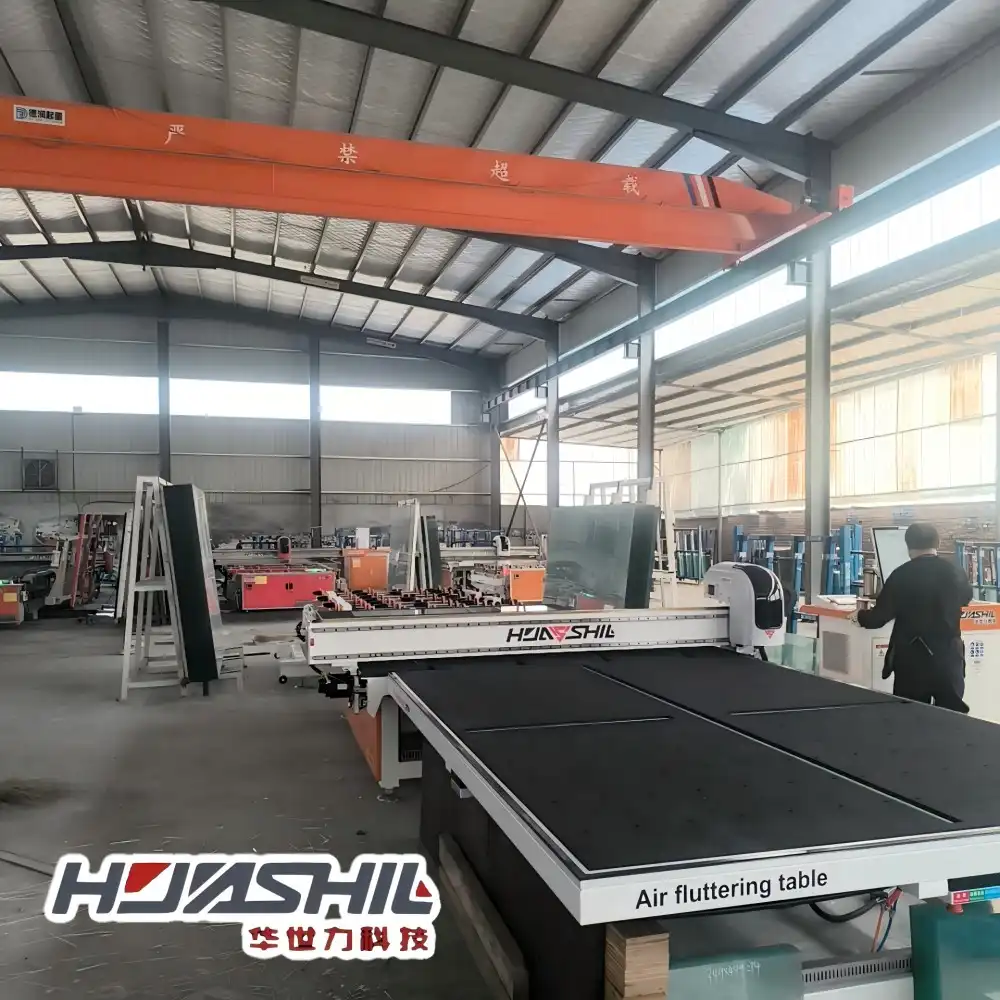
The HUASHIL HSL-YTJ3829 model is an example of specs made for large-scale activities. This machine can work with glass up to 3660mm x 2800mm and thicknesses ranging from 2mm to 19mm, so it can handle everything from thin mirror glass to thick building panels. Its synced belt conveyor system makes sure that movement is stable and that stress cracks are not caused by vibrations. When technical managers check to see if two pieces of equipment can work together, they should make sure that the largest glass size and thickness limits are in line with their current products and plans for future growth.
Key Benefits of Using Advanced Glass Sheet Loader Machines
Measurable Productivity Gains Through Automation
Automated glass sheet loader technology leads to measurable gains in a number of business measures. Cycle times are cut by 40–60% in plants that use machines instead of people because machines don't have the physical limits and weariness that people do. When production lines can run continuously, their flow stays the same during shift changes and times of high demand. Your investment in purchasing goods directly leads to higher daily output without corresponding rises in the cost of workers or the size of your facility.
Enhanced Workplace Safety and Compliance
Handling glass by hand is still one of the most dangerous jobs in manufacturing plants. Cuts, muscle strains, and falling sheets are just a few of the accidents that happen every day, which lead to a lot of lost time and workers' compensation claims. Workers are taken out of dangerous lifting areas by automated loaders that have safety monitors, emergency stop systems, and protective walls. CE-certified equipment meets European safety standards, and ISO9001-certified equipment shows that quality controls were used during production. These qualifications make it easier to show that you follow the rules during insurance reviews and safety checks.
Cost Reduction Through Waste Minimization
There is a high secret cost in production that comes from breaking glass. Mistakes made when handling things by hand, like bad grip points, uneven support, and rapid hits, can cause microfractures that might not show up until later stages of processing. Precision filling equipment with automatic pressure control changes the grip force based on the type and thickness of the glass. This keeps the glass from slipping and breaking. Breakage rates drop by more than 30% in plants that use advanced loaders, and the money saved on raw materials often pays for the equipment within 18 to 24 months.
How to Choose the Best Glass Sheet Loader for Your Large-Scale Production?
Assessing Your Production Requirements
Before you can choose the right loading tools, you need to look at your unique operating parameters. Figure out your daily glass sheet amount, average dimensions, and thickness spread to get an idea of how much space you need. It's also important for production leaders to look at how work gets done. For example, do you process standard sheets in long runs, or do you change the sizes of sheets often, which requires variable positioning? Think about the limitations of your building's plan, such as the height of the ceiling for vacuum lifting systems and the amount of floor room you have for adding a conveyor. These things will help you decide whether a small stand-alone tool or a full automatic line is better for your needs.
Comparing Equipment Technologies and Capabilities
Depending on the type of application, each packing technology has its own benefits. Pneumatic systems that use vacuum force are great at moving fragile low-e-covered glass without damaging the surface. Mechanical grip lifters can move uncoated building glass faster. The HSL-YTJ3829 combines both methods with its air float table and timed belt transport, making it useful for a wide range of products. Check out the control interfaces as well. For example, systems with Optima optimization software let workers set up loading routines that get the most cutting done with the least amount of waste.
Evaluating Supplier Credentials and Support Infrastructure
When buying capital tools, technical specs are important, but seller dependability is just as important. Procurement managers should check the qualifications of the maker, such as their production experience, attendance at foreign trade shows, and references from installed bases. HUASHIL's attendance at industry events like Glasstech Asia shows that they are present in the market and have the right scientific knowledge. Look into the frameworks for after-sales support, such as local parts warehouses, expert hotline reaction times, and the availability of training programs. Ask for guarantee terms that cover both parts and labor, along with clear records of how often to repair and replace consumables.
Operation and Safety Guidelines for Glass Sheet Loaders
Standard Operating Procedures for Maximum Uptime
Proper operation starts with teaching the operator what the tools can and can't do. Loading sequences should follow set procedures: make sure that the sheet dimensions match the preset parameters; check that the vacuum pressure or grip force settings are in line with the thickness of the glass; use edge detection to set placement markers; and keep an eye on the transfer speed. Advanced models come with a 360-degree remote control that lets workers handle loading from the best positions, which improves vision during crucial positioning stages. Engineering managers should write down processes that are specific to their product mix and add them to checklists used at the end of each shift.
Implementing Comprehensive Safety Protocols
Safety measures include more than just features built into glass sheet loader machines. They also include things like how people work and the gear they wear. When operators work near areas where glass is handled, they must wear gloves that won't cut, safety glasses, and shoes with steel toes. Set up clear floor marks that show where tools can go, and don't let anyone in who isn't supposed to be there while the machine is running. Every time a shift starts, the emergency stop buttons should be checked, and workers should be shown the right way to shut down equipment when it breaks down. In high-volume work settings, regular safety meetings where incident reports and near-misses are discussed help keep people alert.
Troubleshooting Common Operational Issues
Knowing about common issues and how to fix them cuts down on unexpected downtime. Positioning problems are often caused by garbage on air float tables or moving belts. This problem can be avoided by cleaning these areas regularly. Low pressure in the vacuum system could mean that a seal is wearing out or a filter is clogged, which needs to be checked according to the maintenance plan. Most of the time, program setting mismatches, not mechanical problems, cause synchronization mistakes between loading and cutting tools. Keeping detailed operation logs helps find trends that show up before something breaks. This lets you do forecast maintenance that keeps production from stopping.
Maintenance and Support: Ensuring Longevity of Your Glass Sheet Loader
Developing Preventive Maintenance Schedules
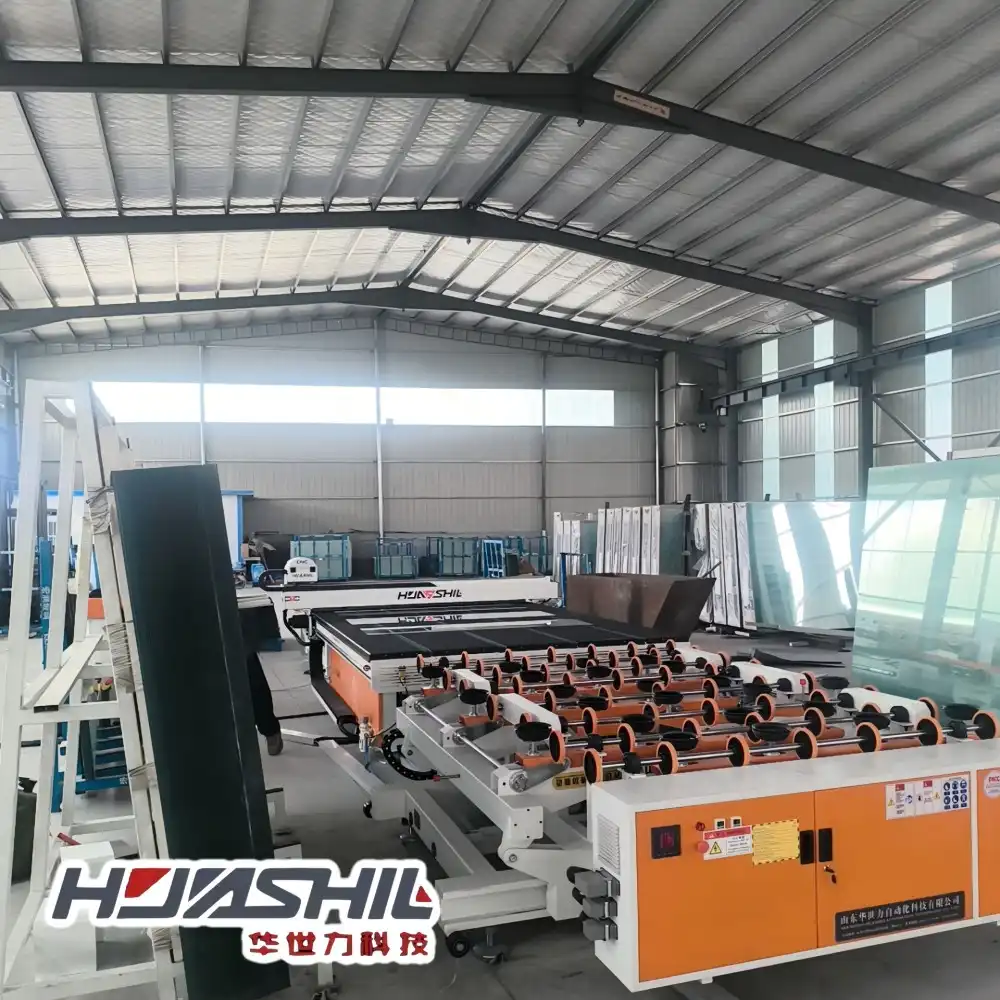
Consistent repair practices have a direct effect on how long and how well equipment works. Every day, the tightness of the conveyor belt, the state of the vacuum pads, and the error codes in the control system should all be checked. As part of the weekly jobs, moving parts must be oiled according to the manufacturer's instructions, and gas line pressure must be checked. Every month, full studies check the stability of software backups, electrical connections, and sensor calibration. Pay close attention to the position and state of the support rollers on the breaking table part, as glass dust can cause abrasive wear. Keep records of all repair tasks to set performance standards and figure out how often parts will need to be replaced.
Sourcing Quality Spare Parts and Technical Support
A reliable supply of parts keeps downtime from lasting too long when a component fails. When looking at glass sheet loader providers, make sure they keep enough of the important wear parts like vacuum pads, conveyor belts, and control sensors on hand. HUASHIL has detailed parts catalogs that have part names that are linked to equipment serial numbers. This makes the buying process easier. Make connections with technical support people before the equipment comes, and test how quickly they can respond by asking technical questions before you buy. Suppliers that offer video troubleshooting help and online monitoring tools can fix a lot of problems without having to come to the site, which saves money and time.
Planning for Future Production Scaling
Your first buy of tools should be able to handle your expected growth. Modular loading systems can improve their carrying ability by adding more conveyor sections or incorporating more automation. Talk to your sellers about how they can customize their products. OEM and ODM support lets you make changes as your product line grows. If a plant wants to add more sintered stone or thicker architectural glass, it should make sure that the core equipment bases can handle updated parts instead of needing to be replaced completely. This method looks to the future to protect capital investments and make integration easier when more processing power is added.
Conclusion
Buying new technology for adding glass sheets is a big choice that will affect every part of your production process. With the right automatic loading system, you can meet the throughput needs of large-scale manufacturing while cutting down on labor costs, improving worker safety, and reducing material waste. Careful consideration of your individual needs, including glass size and daily volume, as well as facility limitations and plans for future growth, will help you choose equipment that gives you a clear return on investment (ROI). Production managers can make sure their businesses are competitive and efficient in tough markets by working with experienced makers that offer strong technical support and full after-sales service.
FAQ
Q1: What glass dimensions can automated loading systems handle?
Industrial glass sheet loaders accommodate wide size ranges depending on model specifications. The HUASHIL HSL-YTJ3829 processes sheets up to 3660×2800mm, suitable for architectural curtain wall panels and large furniture components. Thickness capacity spans 2-19mm, covering thin mirror glass through heavy architectural glazing. When evaluating equipment, verify that maximum dimensions exceed your largest standard product by at least 10% to allow processing flexibility. Custom configurations can extend these ranges for specialized applications.
Q2: How do automated loaders integrate with existing production lines?
Modern loading equipment uses standardized interfaces compatible with most cutting tables and edging machines. Synchronized belt conveyors match speeds with downstream equipment, maintaining consistent material flow. The Optima software platform communicates with production management systems, coordinating loading sequences with cutting patterns to maximize throughput. Technical managers should provide facility layouts and equipment specifications during procurement discussions to ensure seamless integration. Suppliers typically offer installation support and operator training as part of equipment delivery.
Q3: What maintenance requirements should we anticipate?
Regular maintenance includes daily visual inspections, weekly lubrication of moving components, and monthly comprehensive system checks. Critical wear items like vacuum pads and conveyor belts typically require replacement every 12-18 months, depending on usage intensity. Air flotation systems need periodic filter cleaning to maintain performance. Most plants allocate 2-3 hours weekly for routine maintenance tasks. Manufacturers provide detailed maintenance schedules and parts lists with equipment documentation, enabling procurement to stock essential components and minimize downtime.
Partner with HUASHIL for Advanced Glass Loading Solutions
Our extensive experience in automated glass processing equipment positions us as your trusted glass sheet loader manufacturer for large-scale production challenges. The HSL-YTJ3829 model incorporates proven technologies, including automatic loading, pressure control, and edge finding capabilities backed by CE and ISO9001 certifications. Whether you operate architectural glass fabrication plants, curtain wall production facilities, or furniture manufacturing operations, our engineering team customizes solutions to match your exact specifications and workflow requirements. We invite procurement managers and production directors to discuss how our equipment integrates with your existing lines and supports your expansion objectives. Contact our technical specialists at salescathy@sdhuashil.com to schedule a consultation, request detailed specifications, or arrange a demonstration of our automated loading systems.
References
1. Glass Manufacturing Industry Council. (2023). Automation Technologies in Modern Glass Processing Facilities. International Glass Review, Volume 48.
2. Smith, J. & Anderson, R. (2022). Material Handling Safety Standards for Industrial Glass Operations. Occupational Safety Research Institute.
3. European Committee for Standardization. (2021). CE Certification Requirements for Glass Processing Machinery. EN 1279-6:2021 Standards Documentation.
4. Thompson, M. (2023). Total Cost of Ownership Analysis for Automated Glass Handling Equipment. Industrial Equipment Finance Quarterly.
5. National Glass Association. (2022). Best Practices for Glass Fabrication Plant Operations. Technical Manual Series, Edition 12.
6. Wu, L. & Chen, H. (2023). Integration Strategies for Automated Glass Processing Lines. Journal of Manufacturing Systems Engineering, Vol. 145.