




Moving massive glass sheets safely across a production floor has always challenged manufacturers. Traditional material handling methods expose workers to injury risks while threatening costly product damage. Air flotation tables solve this persistent problem by creating a nearly frictionless air cushion beneath heavy glass panels, enabling effortless movement even when handling architectural-grade sheets weighing hundreds of pounds. This innovative technology has revolutionized how glass fabricators, curtain wall integrators, and furniture manufacturers approach their material handling workflows.
Understanding Air Flotation Tables and Their Role in Heavy Glass Handling
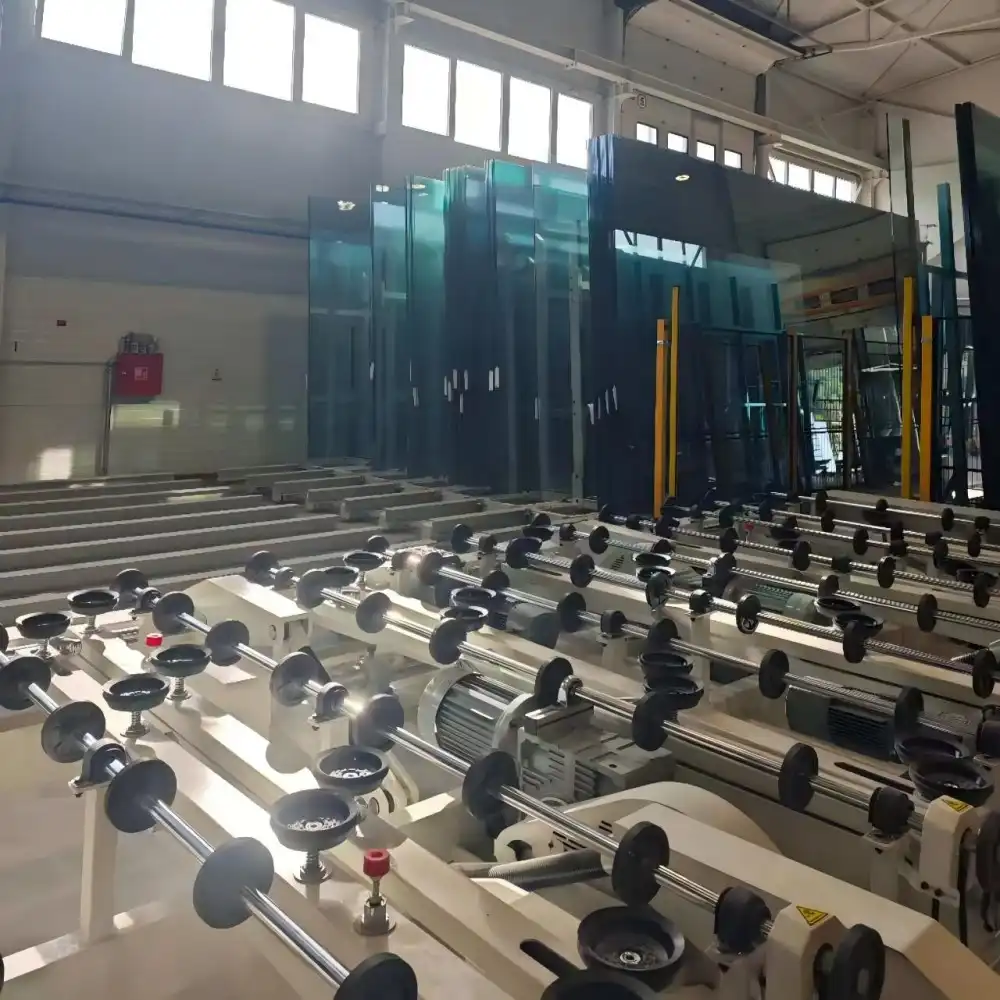
Compressed air is pumped through thousands of carefully designed micro-holes on a table surface to power air flotation tables. This reduces friction to nearly zero by creating a thin, consistent air cushion that raises glass panels slightly off the table. The air cushion evenly provides support across the whole glass surface, in contrast to roller conveyors that produce point contact and possible stress fractures.
Core Design Elements That Matter
Several essential technical characteristics are included in modern industrial flotation equipment. Regardless of panel size, integrated pressure regulation systems provide constant airflow, and premium steel or aluminum table surfaces resist warping under extended usage. The best machines have zone-based air control, which lowers energy usage throughout different production runs by enabling operators to activate only the parts required for smaller sheets.
Air Cushion Technology Versus Traditional Methods
When material handling techniques are compared, it becomes clear why air flotation tables predominate in contemporary facilities. Conventional roller tables struggle with thin architectural panels that are prone to micro-cracking at contact areas, but they function well with thicker glass. Although they need entirely flat surfaces and use a lot of energy, vacuum systems provide accurate positioning. Magnetic tables are limited in their variety since they only function with certain types of coated glass. Air flotation tables offer universal compatibility without surface-specific restrictions, handling everything from 25mm security glazing to 3mm ornamental glass.
Beyond adaptability, there are also operational benefits. Compared to roller-based methods, businesses utilizing air flotation tables reported 60–75% less edge damage during recent facility audits conducted throughout U.S. fabrication plants. Because each damaged jumbo sheet costs thousands of dollars in wasted materials and production time, this has an immediate effect on profitability.
Industrial Applications and Real-World Performance
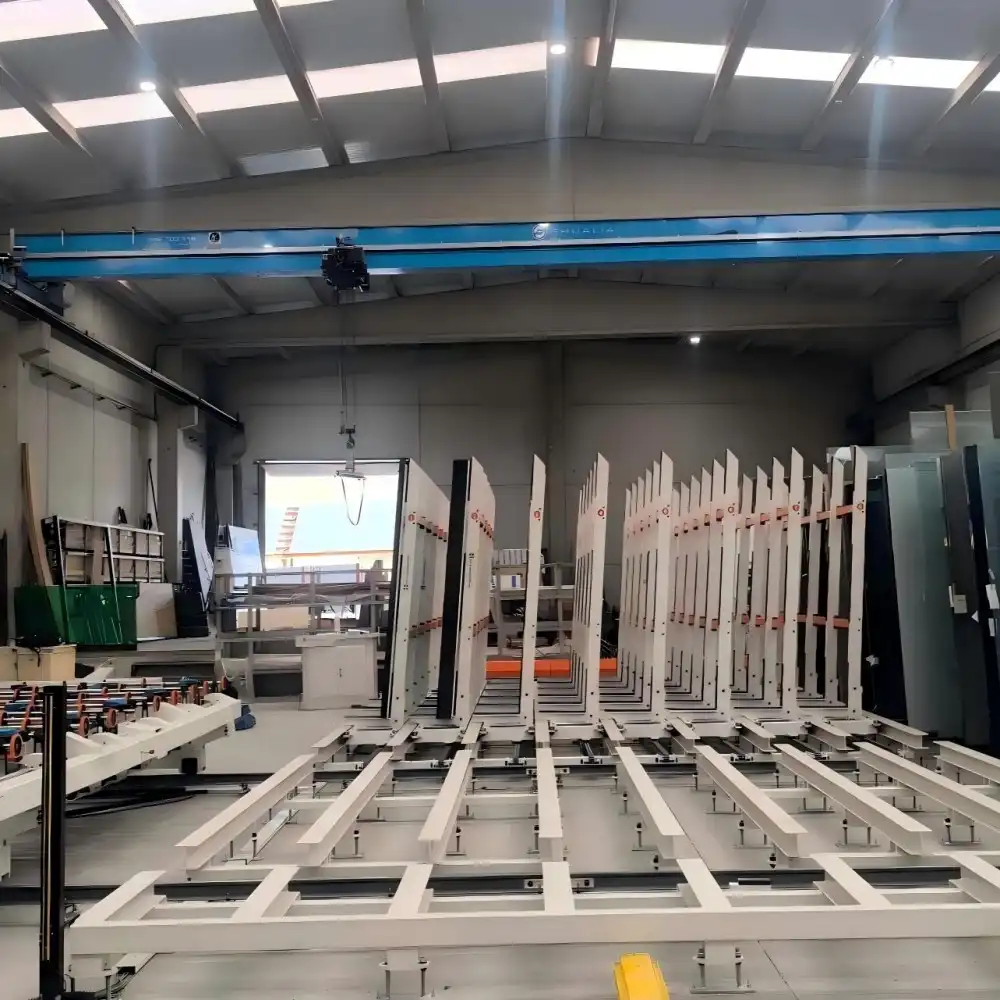
The significance of glass handling equipment is demonstrated across several phases of production. Operators may accurately arrange material beneath cutting heads at cutting stations without the need for manual shoving or prying thanks to air flotation tables that accept incoming jumbo sheets from storage racks. Minute modifications are made possible by the frictionless surface to provide the best possible material yield from every sheet.
Integration Across Manufacturing Workflows
Air flotation tables are very advantageous for tempering procedures. Glass that comes out of tempering furnaces reaches temperatures that call for quick, careful handling. By removing the possibility of heat shock from roller contact, air flotation tables placed near furnace exits considerably lower reject rates. Our HSL-SPT3624 model's automated loading feature works in unison with upstream cutting equipment to handle panels up to 3660×2440mm, which covers normal jumbo architectural sizes.
Operators of coating lines like the contamination control that air flotation tables offer. Air flotation tables completely avoid physical touch, in contrast to rollers that gather residue and transport particles to immaculately coated surfaces. This is crucial in low-E coating applications where thermal performance is compromised by even minute surface flaws.
Documented Performance Improvements
Air flotation tables were recently included in the whole manufacturing process of a mid-sized California curtain wall manufacturer. According to their engineering manager, the first quarter saw a 23% boost in production throughput, mostly as a result of operators spending less time moving large panels and having fewer work stoppages due to broken glass. Reports of safety incidents decreased by 40%, and back strain injuries that were frequently caused by workers physically adjusting huge sheets were completely eliminated.
Within 18 months, the equipment expenditure was justified by the financial returns. While efficiency improvements brought significant income through greater order capacity, reduced breakage alone saved over $45,000 yearly. These results are consistent with industry data that indicates air flotation tables typically have ROI durations of 12 to 24 months.
Comparing Air Flotation Tables with Alternative Solutions
When assessing material handling alternatives, procurement teams need to consider a variety of operational and technical aspects. Air flotation tables continuously provide the widest capability range with the least amount of operational complexity, but each technology category offers unique benefits appropriate for certain applications.
Traditional Flotation and Roller Systems
The foundational technology is represented by conventional roller tables, which are dependable, easy to use, and initially affordable. However, in demanding applications, their limits become evident. Rollers concentrate stress by creating linear contact points, which is especially troublesome for thin glass or panels with edge treatments. As bearings deteriorate and rollers need to be changed on a regular basis, maintenance needs increase. Regular cleaning procedures are required owing to surface contamination caused by roller residue.
Conventional water flotation tables, which are still present in some older facilities, remove the problem of contact points but raise issues with moisture contamination. Water-based systems are unfeasible in settings where controlling humidity is important, and their unavoidable spills and splashes make cleaning difficult.
Vacuum and Magnetic Alternatives
When it comes to holding glass securely during processing activities like drilling or edge profiling, vacuum table technology excels. The dynamic handling function of air flotation tables is very different from this static holding capacity. Additionally, in order to preserve seal integrity, vacuum systems require precisely flat, non-porous glass surfaces, which restricts their use with textured or patterned glass.
Magnetic tables are limited to specialized applications since they only function with metallic interlayers or magnetizable coatings. Because electromagnets need constant electricity to sustain holding force, energy consumption is substantial. Magnetic systems are not ideal for general-purpose manufacturing operations handling a variety of glass types due to their restricted material compatibility.
Cost-Effectiveness Analysis
Despite requiring a larger initial investment than simple roller tables, air flotation tables show strong economics when considering total cost of ownership. Operating expenses are still low; for average production schedules, compressed air expenditures are between $20 and $40 per month. Simple air filter replacements and routine nozzle cleaning are the main maintenance requirements, which production workers perform without the need for expert personnel.
The lifespan cost benefit is evident when compared to roller systems that need motor repairs, belt replacements, and bearing replacements. According to our technical support statistics, roller systems often need substantial refurbishment every five to seven years, but air flotation tables may last ten to fifteen years with good maintenance.
Procurement Guide for Industrial Air Flotation Tables
Aligning technical criteria with practical reality is necessary when choosing the right glass handling equipment. Plant managers and procurement teams should take a methodical approach to this choice, considering both current requirements and the evolution of production in the future.
Critical Specification Criteria
Table dimensions must accommodate your largest glass sizes with adequate clearance. The HSL-SPT3624 model's 3660×2440mm capacity covers standard architectural jumbo sheets, but facilities handling bigger bespoke glazing need equipment of the right size. If the product mix changes in the future, buying a little bit more capacity now will prevent early obsolescence.
Load capacity ratings matter more than many buyers realize. Operators may stack many sheets of glass or place large tooling fixtures on tables, even though the glass itself may weigh 200–300 pounds. To provide safety margins and operational flexibility, use equipment rated 50% higher than your usual maximum load.
Mobility requirements vary by facility layout. Fixed installations are appropriate for specialized processing facilities where glass continuously passes through predetermined processes. In flexible manufacturing environments where production layouts change between projects, mobile units with remote control capabilities—such as our 360-degree remote walking function—prove indispensable.
Evaluating Manufacturers and Certifications
Reputable suppliers use globally recognized quality certificates to show their dedication. While ISO 9001 accreditation confirms consistent quality management systems, CE marking signifies adherence to European safety requirements. Beyond marketing promises, these certifications give procurement teams unbiased confirmation of production capability.
After-sales support infrastructure separates truly reliable suppliers from opportunistic sellers and genuinely trustworthy providers. Make sure manufacturers have an inventory of replacement parts available in your area. The availability of technical assistance is crucial since equipment breakdowns during production runs result in lost capacity that costs thousands of dollars per hour. Inquire with prospective suppliers about their response procedures, normal delivery schedules for parts, and whether they offer remote diagnostic assistance.
Investment and Delivery Considerations
Pricing for industrial air flotation tables varies greatly depending on order volume, customization needs, and specifications. While integrated production line systems with numerous tables, automated loading, and breaking table features cost between $80,000 and $200,000+ depending on complexity, standard single-table machines generally cost between $15,000 and $45,000.
While bespoke systems made for particular manufacturing lines could take three to four months from order confirmation to installation completion, stock setups typically have delivery schedules of four to eight weeks. Set up enough time to prepare the location, including the infrastructure for the compressed air supply and the electrical connections.
Typically, payment methods are deposit-plus-balance, with 30–40% required at order confirmation and the remaining amount due either before shipment or after installation is finished. Letters of credit are frequently used in international transactions to safeguard both parties, especially for big capital expenditures or first-time supplier connections.
Maintenance and Optimization Tips for Long-Term Performance
Regular preventative maintenance procedures are essential for dependable equipment functioning. When operators adhere to basic maintenance procedures, air flotation tables show remarkable durability; nevertheless, neglect results in performance deterioration and needless downtime.
Routine Maintenance Protocols
Daily inspection should include visual surface checks for debris collection and quick operational tests confirming consistent air distribution. Operators should keep an ear out for odd noises that can be signs of compressor problems or air leakage. This fast evaluation, which takes less than five minutes, identifies emerging issues before they affect output.
Weekly tasks expand to cleaning air nozzles and comparing pressure gauges to baseline readings. Naturally occurring trace moisture and particles in compressed air build up in nozzle orifices over time, decreasing airflow efficiency. The majority of facilities incorporate nozzle cleaning into their routine equipment maintenance plans, clearing deposits with soft brushes or compressed air blasts.
Monthly maintenance includes comprehensive compressor inspection, air filter replacement, and pressure regulator verification. The performance of air flotation tables is largely dependent on these elements. Keeping filters clean prevents premature wear on compressors and guarantees steady airflow. Pressure regulators should keep their settings within 5% of the given values; any deviation from this range suggests component wear or the need for adjustments.
Troubleshooting Common Issues
Air supply pressure mismatches or blocked nozzles are the usual causes of uneven flotation. Check nozzle sections methodically to find blocked or limited locations when glass panels tilt or show uneven float height. When obstacles are removed, proper operation is typically restored right away.
Overuse of air indicates the possibility of a leak. Keep an ear out for inexplicable increases in electricity expenditures and compressor run-time. Applying soapy water solutions to connections while the system is under pressure is known as leak detection; bubbles indicate escape locations that need to be tightened or sealed.
Preventing damage and saving money are two benefits of knowing when professional help is required. Routine maintenance is handled by operators, but problems with electrical components, complicated pressure regulation malfunctions, or structural table damage call for prompt professional intervention. On systems that are still covered under warranty, attempting do-it-yourself repairs might nullify coverage and raise liability issues.
Performance Optimization Strategies
Efficiency and safety are maximized by modifying operational settings according to glass properties. While heavy architectural glass requires full pressure for sufficient lift, thinner sheets require less air pressure to avoid flutter or vibration. To make operator changes easier, many contemporary systems come with pressure presets for popular types of glass.
Zone-based functioning increases energy efficiency. Activate only the areas underneath the real glass panels instead of the full table top. When processing tiny shower door panels or furniture glass on bigger tables intended for architectural sheets, this is especially helpful.
Appropriate glass placement and movement rates should be emphasized in safety procedures. Rushing poses dangers even though air buoyancy significantly lessens handling effort. Teach operators to move panels gently at regulated rates, avoiding abrupt pauses or direction changes that can impair control.
Conclusion
By removing the friction, damage concerns, and safety dangers associated with conventional techniques, air flotation tables have completely changed the handling of heavy glass. The equipment investment is justified by the operational benefits, which include less breakage, increased production, greater worker safety, and cheaper long-term expenditures. Successful implementation is ensured by comprehending the technology, methodically assessing options, and choosing appropriately specified equipment from approved manufacturers. These systems offer decades of dependable service, enabling effective, lucrative glass production processes with the right upkeep and optimization. Air flotation tables are the wise option for contemporary glass handling needs because of their proven technology, obvious financial benefits, and proven safety enhancements.
FAQ
1. Can air flotation systems handle extra-large architectural glass panels safely?
Yes, jumbo architectural glass is efficiently managed by air flotation tables of the proper size. Standard architectural sizes are covered by systems such as the HSL-SPT3624, which can handle panels up to 3660×2440mm. For specialized applications, even bigger dimensions are handled via custom setups. The secret is to have sufficient load capacity while matching table dimensions to your maximum glass size. When handling big, thin panels, roller systems suffer from stress concentration areas that are eliminated by uniform air distribution across the whole surface area. Heavyweight laminated and insulated glass units that would be difficult to handle with conventional methods may be handled securely with the right equipment.
2. How do air flotation tables compare with vacuum systems regarding safety and efficiency?
When opposed to vacuum technology, air flotation tables offer greater adaptability and easier operation. Vacuum systems are excellent at keeping glass still while it is being processed, but they need to come into perfect sealed contact with non-porous surfaces. There are no material limitations when using air flotation tables with any kind of glass, thickness, or surface treatment. Eliminating vacuum-related lifting risks and streamlining emergency protocols—cutting off the air supply instantly gently drops glass onto the table surface—are two safety benefits. Faster glass placement and movement without waiting for vacuum seal setup or release cycles results in increased efficiency.
3. What criteria identify reliable air flotation table suppliers?
Reputable manufacturers exhibit a number of important traits. Seek out globally recognized certifications that attest to safety compliance and quality management systems, such as ISO 9001 and CE marking. Examine the quality of their technical paperwork; thorough installation instructions, precise maintenance manuals, and extensive specs all demonstrate engineering expertise. Examine the after-sales infrastructure, including the availability of replacement parts, the timeliness of technical assistance, and the conditions of the guarantee. Verify the supplier's experience in your particular market segment and ask for client references from comparable applications. Vendors of general industrial equipment are less aware of operating needs than companies with a proven track record in glass fabrication equipment.
Transform Your Glass Handling Operations with HUASHIL Air Flotation Tables
Problems with heavy glass handling require tried-and-true solutions supported by superior production and engineering knowledge. HUASHIL brings decades of automation technology knowledge to address your specific material handling needs. In a single CE and ISO 9001-certified package, our HSL-SPT3624 air flotation tables integrate automated loading, precise air cushion technology, integrated breaking table capabilities, and 360-degree remote control mobility. Our staff offers technical consulting that is customized to your facility's exact requirements, whether it is creating new production lines or upgrading old equipment. To discuss your application needs, obtain comprehensive technical details, and investigate competitive pricing from a reputable air flotation tables manufacturer dedicated to your operational success, get in touch with us directly at salescathy@sdhuashil.com.
References
1. Glass Processing Equipment Standards Committee. (2021). Industrial Glass Handling Systems: Design and Safety Guidelines. International Glass Manufacturing Association.
2. Martinez, R. & Chen, L. (2020). Automation in Architectural Glass Fabrication: Efficiency Analysis of Material Handling Technologies. Journal of Manufacturing Systems Engineering, 45(3), 178-192.
3. American Glass Association. (2022). Best Practices for Safe Glass Handling in Industrial Environments. AGA Technical Publication Series.
4. Thompson, J. (2019). Cost-Benefit Analysis of Automated Glass Processing Equipment Investment. Industrial Engineering Quarterly, 31(2), 45-61.
5. European Committee for Standardization. (2021). Air Flotation Systems for Industrial Material Handling: Technical Specifications and Testing Protocols. CEN Technical Report.
6. Wilson, K. & Patel, S. (2023). Reducing Workplace Injuries in Glass Fabrication Through Automated Handling Systems. Occupational Safety and Health Research Journal, 18(1), 112-128.