




Precision CNC controls, strong construction, advanced automation systems, and flexible software integration are what make high-performance special shape sintered stone cutting machines unique. With micrometre-level precision and the ability to work quickly with complicated shapes, these tools make sure that little material is wasted and quality is always the same. Some of the most important features are automatic pressure control, smart edge-finding, air flotation systems for delicate handling, and easy-to-use interfaces that cut down on operator error. When looking at equipment, production directors and technical managers should focus on machines that offer reliable support after the sale, cut precisely while also moving quickly, and can easily adapt to changing production needs in construction, furniture manufacturing, and architectural glass.
Understanding Special Shape Sintered Stone Cutting Machines
In today's manufacturing world, you need tools that can handle complicated designs without damaging the materials. Special shape cutting technology is a big step forward from traditional straight-cut methods. It lets makers make curved edges, angular designs, and custom curves that meet the needs of architects.
Defining the Technology and Its Principles
Cutting tools for sintered stone use computer-controlled positioning systems to move diamond-tipped blades or water jets along paths that have already been planned. Traditional manual cutters depend on the skill of the operator and physical templates to make cuts. Automated systems, on the other hand, read digital design files and make cuts that are always accurate. Because heat and pressure are used to make sintered stone, which has a thick, non-porous surface, it needs special tools that can handle heat loss and keep cut edges from breaking.
How to Tell the Difference Between CNC, Laser-Assisted, and Manual Options
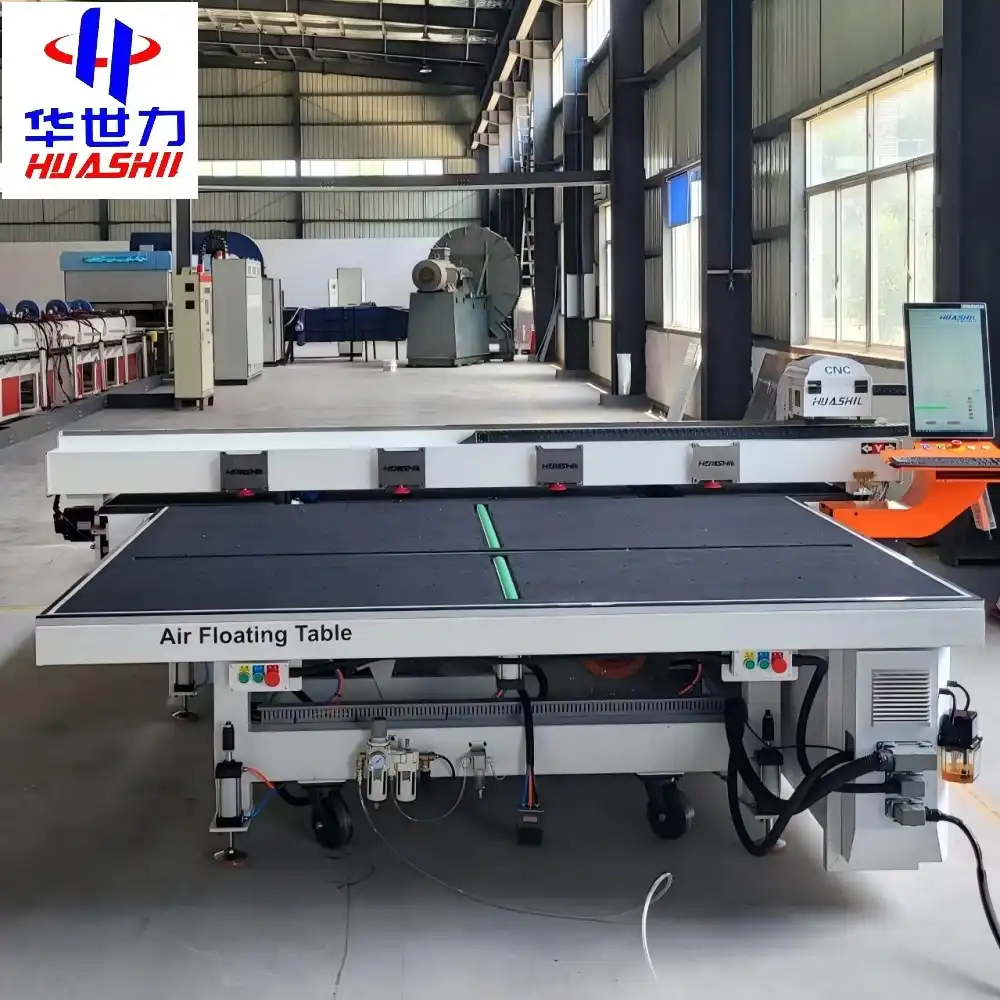
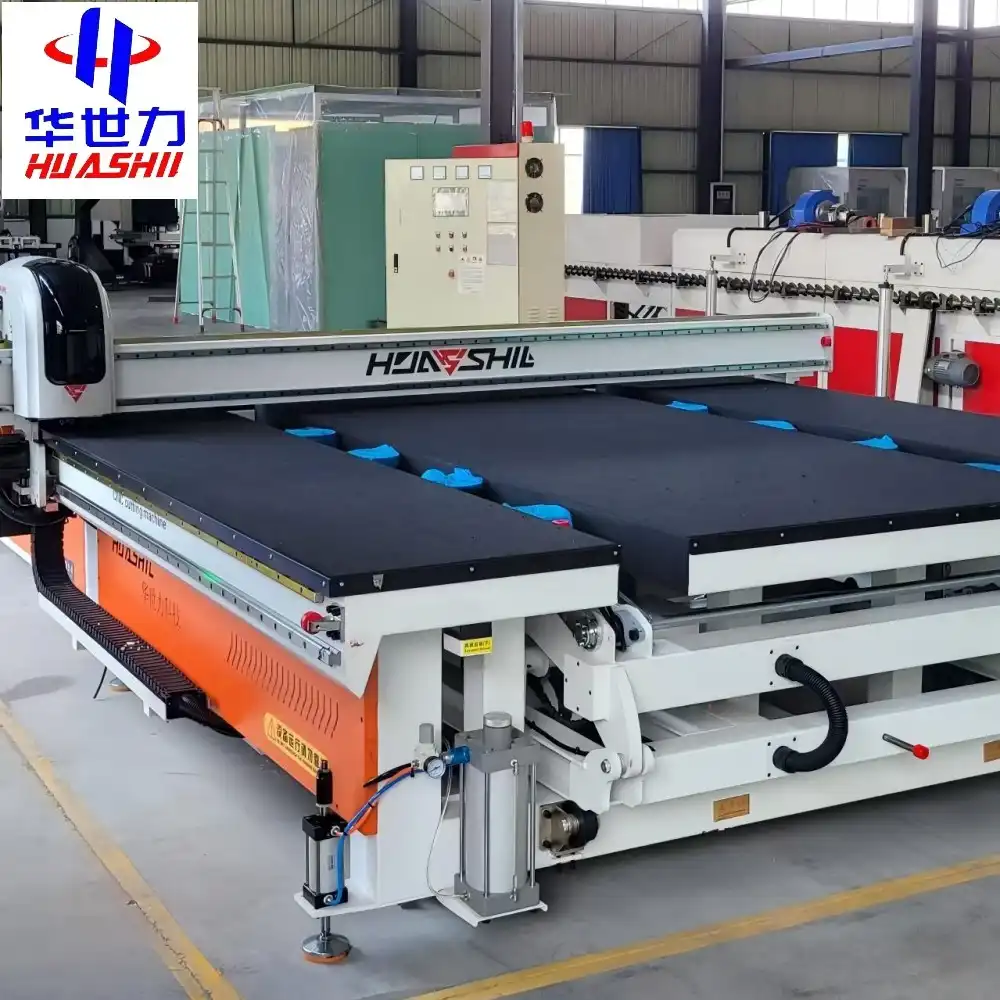
CNC-controlled machinery is the most common type used in industry because it is accurate and can be scaled up or down. The HSL-CNC3616 model is a good example of this type of machine because it can cut panels up to 3600x1600mm and with thicknesses between 3 and 12mm. Laser-assisted devices can cut very sensitive materials without touching them, but they usually have slower processing speeds. In small workshops where production rates don't support investing in technology, manual options are still used, even though they are less consistent and need skilled workers. When technical managers are looking at their options, they should compare the pros and cons of spending more money up front versus saving money on labour over time.
Industrial Applications Across Multiple Sectors
Shape-cutting is a tool that architectural glass makers use to make bent building faces and unique window arrangements. Manufacturers of furniture depend on these tools to make glass tops with curved sides and geometric shapes. Integrators of curtain walls need tools that can work with both standard panels and custom pieces during the same production run. A plant's ability to take on different orders and meet competitive delivery dates is directly affected by its ability to switch between projects without having to do a lot of retooling.
Core Features That Define High Performance
When production directors look at different pieces of equipment, they see a lot of different specifications. However, there are a few things that always set good machines apart from great ones. Getting to know these features helps procurement teams make sure that purchases support operational goals.
Cutting Precision and Advanced CNC Controls
In building uses, accuracy needs to be within ±0.1mm most of the time. To meet this standard, you need positioning systems that are driven by servos, frames that reduce shaking, and real-time feedback systems that account for blade wear in a sintered stone cutting machine. The Optima optimisation software built into high-tech systems figures out the best way to nest things so that the most material is produced. This cuts down on trash, which has a direct effect on the project's revenue. Instead of just depending on what the maker says, engineering managers should ask for test cuts on real production materials when they are looking at specs.
Machine Durability and Build Quality
Continuous operation in harsh settings requires building materials that can handle temperature growth, water exposure, and repeated mechanical stress. Cast iron bases and precision-ground linear guides help machines stay aligned for millions of cutting cycles. Warranty terms show how well-made a component is—manufacturers who are sure of their build standards offer support that goes above and beyond what is standard in the industry. The CE and ISO9001 certifications give basic peace of mind by proving compliance with safety and quality management standards accepted in all global markets.
Versatility in Handling Complex Geometries
In modern projects, it's common for single panels to have straight cuts, circular curves, and angled changes. Flexibility in equipment comes from both powerful hardware and advanced software. Automatic pressure control systems change the blade force based on the density of the material and the direction of the cut. This keeps brittle materials from breaking. Edge-finding functions use sensors to map out where the actual panels are, making up for differences in placement that would otherwise lead to errors in measurements. All of these features work together to let operators work on different designs without having to stop and do things by hand between cuts.
Throughput Efficiency Through Automation
The facility's ability to meet contract deadlines is based on its production capacity. By suspending materials on air cushions, air flotation systems cut down on the time it takes to move panels. This is made possible by single operators safely placing heavy slabs in place. Technicians can keep an eye on operations from the best spots instead of staying at control panels, thanks to the 360-degree remote control walking feature. Automation doesn't just speed up individual cuts; it also cuts down on downtime between operations, makes the best use of equipment, and sets regular production plans that buyers can safely keep to their clients.
Safety Features and User-Friendly Design
Equipment that keeps workers safe and makes difficult jobs easier cuts down on training time and insurance costs. Accidents don't happen during normal use and maintenance because of emergency stop systems, blade guards, and interlock mechanisms. Visual feedback and easy-to-use tools help new workers get up to speed faster than old systems that require specialised computer knowledge. When plant managers are comparing different models, they should have real machine operators test them out. Their feedback will show usability issues that aren't mentioned in the specs.
Maintenance and Operational Best Practices
Following maintenance procedures religiously is necessary to make sure that equipment lasts as long as possible and that unplanned downtime is kept to a minimum. When production directors use these methods, they protect their investments in capital while keeping output consistent.
Routine Maintenance Schedules and Common Pitfalls
Abrasive dust that speeds up wear on precision parts can be removed every day by cleaning. Linear guides and ball screws should be oiled at the times recommended by the manufacturer, which is usually every 40 to 80 hours of operation, but this can change depending on the environment. Defects don't spread when blades are inspected and replaced based on cut quality instead of random schedules. Common mistakes include not maintaining the cooling system, which leads to blades getting too hot, and putting off small fixes that turn into big problems. When buying equipment, procurement departments should include money in their budgets for preventive maintenance contracts. This is because factory-trained technicians can spot problems before they cause production to stop.
Operator Training and Safety Protocols
Accident rates go down, and output quality goes up when workers are fully trained in how to use the sintered stone cutting machine, move materials, and handle emergencies. Operators should know how the properties of the material affect the cutting parameters. This will allow them to change the settings for different types of stone. Safety gear, like gloves that won't cut, hearing protection, and safety glasses, must be used consistently. Breaking blades, electricity problems, and material jams should all be covered by emergency plans, and stop instructions should be clearly written and easy to find from different places around the equipment.
Troubleshooting Mechanical and Software Issues
Systematic analysis keeps fixes from going in the wrong direction when cut quality drops or measurement mistakes show up. Mechanical problems usually show up as shaking, strange noises, or cuts that don't go all the way through. Software problems usually happen when design files and machine controls don't talk to each other correctly or when calibration data gets messed up. Technical managers should keep records of error codes and how to fix them, so they don't have to rely on outside help for everyday problems. Knowing when to get help from the maker, especially for problems with servo systems or control boards, stops people who want to help but end up doing more harm than good.
Comparison and Selection Criteria for Procurement
Selecting equipment that aligns with operational requirements and budget constraints demands a structured evaluation of multiple factors. Procurement managers benefit from frameworks that quantify subjective assessments.
Key Evaluation Metrics for Industrial Equipment
Precision specifications should be verified through independent testing rather than accepted at face value. Cutting speed matters, yet must be balanced against edge quality—excessively fast feeds create chipping that requires secondary finishing. Flexibility encompasses both the range of shapes the machine can produce and the ease of switching between projects. After-sales support quality becomes apparent through response time commitments, spare parts availability, and technical support accessibility. Warranty terms reveal manufacturer confidence, with comprehensive coverage indicating proven reliability.
Price-to-Performance Considerations
Total cost of ownership extends beyond purchase price to include installation, training, consumables, maintenance, and eventual replacement. Equipment priced below market averages often compromises on component quality, resulting in higher long-term costs through frequent repairs and reduced uptime. Conversely, premium-priced machines should demonstrate tangible advantages in precision, speed, or versatility that justify the investment. Finance departments should model scenarios comparing equipment options over typical depreciation periods, factoring in production capacity differences that affect revenue potential.
CNC Automation Versus Manual Operations
CNC systems deliver consistency that manual operations cannot match, particularly when producing multiple identical pieces. The learning curve for CNC operation is steeper initially, but yields greater operator interchangeability—trained staff can operate different CNC machines with minimal retraining. Manual systems retain advantages in prototype development and extremely low-volume speciality work where programming time exceeds cutting time. Plants handling mixed production portfolios sometimes maintain both equipment types, allocating work based on batch size and complexity.
Recommended Models and Manufacturer Partnerships
Established manufacturers with documented track records in glass and stone fabrication equipment provide greater assurance than newcomers lacking installation references. The HSL-CNC3616 serves mid-to-large fabricators requiring reliable production capacity for architectural glass projects, offering the panel size versatility that curtain wall contractors demand. When evaluating options, procurement teams should request references from facilities processing similar materials at comparable volumes, then verify claimed performance through site visits or detailed discussions with production staff rather than relying solely on marketing materials.
Integrating High-Performance Machines into Your Workflow
For equipment deployment to go well, production needs to match up with what the special shape sintered stone cutting machines can do. Before making a purchase, engineering managers should look at their current and future workloads.
Assessing Production Volume and Complexity Needs
When factories make a lot of standard designs, they put speed and automated material handling at the top of their list of priorities. Custom fabricators who work on a wide range of projects value being able to adapt quickly and change gears easily. Figuring out the "break-even" point—the point at which the costs of technology are met by the savings in labour and the extra capacity—helps financial partners understand why capital investments are necessary. Plants that are growing should choose equipment that can handle more than what they need right now. This way, the equipment won't become obsolete too soon as order volumes rise.
Collaborating with Manufacturers for Customised Solutions
When you talk to equipment manufacturers directly, you can often find customisation options that aren't shown in standard catalogues. Because of OEM partnerships, changes can be made to solve specific process problems. For example, cutting machines can be connected to current material handling systems, and control interfaces can be changed to fit the interests of the user. These partnerships go beyond the initial buy and include ongoing optimisation, where makers offer software changes, process improvement advice, and application tech help that make the most of the equipment's potential.
Future-Proofing Your Investment
Automation, software, and cutting methods are all changing faster and faster thanks to technology. Investing in equipment with a flexible framework and software update paths guards against losing value over time. Machines that can accept software changes can get better motion algorithms and more file format support without having to replace any hardware. Procurement teams should ask manufacturers about their plans for future releases and how they plan to support legacy equipment with parts and technical knowledge, so that the equipment they buy can be used for as long as it's useful.
Conclusion
Buying high-performance special shape solid stone cutting tools is a big investment that has a direct effect on production capacity, quality uniformity, and where a company stands in the market. Precision CNC controls, strong construction, smart automation, and a variety of operating options make this equipment suitable for a wide range of difficult building and artistic tasks. When making a procurement decision, it's important to weigh the initial costs against the long-term value. This can be done by carefully examining factors like accuracy, dependability, support quality, and workflow integration. Understanding these important factors and following disciplined operational practices helps plant managers set up their facilities to take advantage of market opportunities that need advanced fabrication skills while keeping costs low, which is necessary in today's competitive manufacturing environments.
FAQ
1. How Do Special Shape Machines Differ from Traditional Cutters?
Traditional straight-line cutters excel at producing rectangular panels but lack the path control necessary for curves and angles. Special shape equipment employs multi-axis positioning systems that guide cutting tools along complex trajectories defined by CAD files. This capability eliminates manual templating and enables the production of architectural details, furniture components, and decorative elements impossible with conventional equipment. The investment premium for shape-cutting capability typically recovers quickly in facilities handling custom or architectural work.
2. What Maintenance Practices Minimise Downtime?
Consistent adherence to daily cleaning, scheduled lubrication, and proactive blade replacement prevents most unplanned stoppages. Monitoring cut quality trends identifies developing issues before catastrophic failures occur. Maintaining spare parts inventory for high-wear components like blades, belts, and filters reduces repair delays. Operator training emphasising proper material handling and parameter selection prevents damage from improper use, which accounts for significant downtime in facilities lacking structured protocols.
3. Can These Machines Be Customized for Unique Production Requirements?
Reputable manufacturers offer customisation addressing specific workflow needs, material types, and integration requirements. Modifications range from simple software parameter adjustments to substantial hardware alterations like extended cutting beds or specialised tooling. Discussing production challenges directly with engineering teams often reveals solutions not apparent in standard product offerings, creating competitive advantages through optimised processes unavailable to competitors using off-the-shelf equipment.
Partner with HUASHIL for Superior CNC Cutting Solutions
HUASHIL delivers precision-engineered special shape sintered stone cutting machines backed by decades of automation expertise and global installation experience. Our HSL-CNC3616 model combines proven reliability with advanced features, including automatic pressure control, intelligent edge-finding, and air flotation systems that streamline operations while maintaining exceptional quality standards. As a trusted supplier holding CE and ISO9001 certifications, we provide comprehensive support from initial consultation through installation, training, and ongoing technical assistance. Contact our team at salescathy@sdhuashil.com to discuss how our customizable solutions address your specific production challenges and arrange a demonstration showcasing capabilities relevant to your architectural glass, furniture manufacturing, or curtain wall fabrication requirements.
References
1. Chen, W., & Liu, X. (2023). Advanced CNC Technologies in Stone Fabrication: Precision Engineering for Architectural Applications. Industrial Automation Press.
2. Rodriguez, M. (2022). "Comparative Analysis of Cutting Methods for Sintered Stone Materials," Journal of Manufacturing Systems and Technology, 47(3), 215-234.
3. Thompson, R., & Anderson, K. (2024). Total Cost of Ownership in Industrial Cutting Equipment: A Procurement Guide. Manufacturing Management Institute.
4. Zhang, H., Wang, Y., & Li, S. (2023). "Optimization Algorithms for Material Yield in Multi-Shape Cutting Operations," International Journal of Production Research, 61(8), 2456-2473.
5. European Association of Glass and Stone Fabricators. (2023). Safety Standards and Best Practices for Automated Cutting Systems. EAGSF Technical Publication Series.
6. Johnson, P. (2024). "Emerging Trends in Architectural Glass Processing Technology," Construction Materials Quarterly, 29(1), 88-105.